Does Africa Use The Metric System

BSC Insights Admin
October 01, 2026
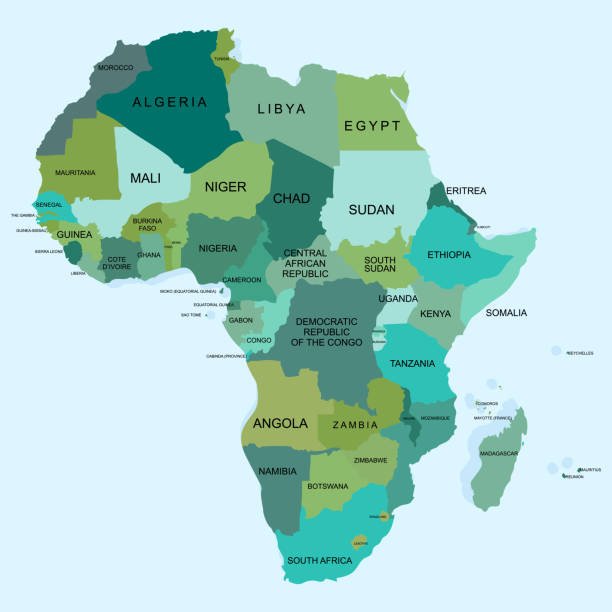
Does Africa use the metric system? Yes, the vast majority of African countries have officially adopted and predominantly use the metric system for weights and measures across various sectors, including commerce, education, science, and government. This standardization aligns Africa with global practices, facilitating international trade and scientific collaboration, though some informal or traditional measurement units might occasionally persist in specific local contexts.
The Widespread Adoption of the Metric System in Africa
Africa, a continent of immense diversity and dynamic growth, has largely embraced the metric system as its standard system of measurement. This move towards metrication began predominantly in the post-colonial era, as newly independent nations sought to modernize their infrastructure, streamline trade, and align with international standards. The metric system in Africa is not just a matter of convenience; it represents a commitment to global economic integration and scientific progress.
Virtually all 54 recognized African countries are officially metric. From the bustling markets of Cairo to the scientific laboratories of Cape Town, measurements like kilograms, meters, and liters are the norm. This uniform approach simplifies interactions across borders, both within the continent and with international partners. Understanding the measurement systems in Africa is crucial for anyone engaging with the continent, whether for business, travel, or academic research.
Historical Context: From Colonial Legacies to Standardized Futures
The journey to metrication in Africa is deeply intertwined with its colonial history. Many African nations inherited different measurement systems from their colonial powers. For instance, former British colonies often used the imperial system (pounds, feet, miles), while former French, Belgian, and Portuguese colonies were typically introduced to the metric system much earlier. Post-independence, the push for a unified, rational, and internationally recognized system gained momentum.
The adoption of the metric system was seen as a way to shed colonial vestiges and establish a more coherent national identity in terms of scientific and commercial practices. It was also a practical decision, as the global trend towards metrication made it an indispensable tool for international trade and technological advancement. Governments across the continent established national standards bodies to oversee the transition, enacting laws and implementing educational programs to facilitate widespread adoption.
Key Reasons for Metrication in African Countries
Several compelling reasons drove the widespread adoption of the metric system in Africa:
- International Trade: Using a common system like metric facilitates smoother international trade. When dealing with partners in Europe, Asia, or the Americas, having consistent units for products (e.g., in shipping, customs, and pricing) minimizes errors and disputes.
- Scientific and Technological Advancement: The metric system is the language of science and engineering globally. Its base-10 structure makes calculations straightforward, which is crucial for education, research, and technological development within African countries.
- Educational Simplicity: Teaching the metric system is often simpler and more logical than the imperial system, which uses disparate conversion factors. This eases the learning process for students and fosters a stronger foundation in mathematics and science.
- Reduced Confusion and Error: A unified system reduces the potential for misunderstandings and errors in various fields, from construction and manufacturing to healthcare and daily commerce.
- Global Harmonization: Aligning with global standards is a mark of modernization and integration into the world economy. It enhances a country's credibility and ease of doing business on the international stage.
African Nations and Their Metric Status
It is important to emphasize that nearly all African nations officially operate under the metric system. This includes major economies and populous nations such as:
- South Africa: Fully metric since 1974, highly integrated into all aspects of daily life.
- Nigeria: Adopted the metric system in the 1970s, essential for its vast economy and population.
- Egypt: Long-standing user of the metric system, particularly vital for trade and agriculture.
- Kenya: Implemented metrication to standardize its East African trade relations.
- Ethiopia: Officially metric, crucial for its agricultural exports and growing industrial sector.
- Morocco: Deeply integrated with European trade, relies heavily on metric standards.
The uniformity among these diverse nations underscores the continent's collective commitment to a standardized approach to weights and measures in Africa.
Are There Any Exceptions or Lingering Imperial Practices?
While the official stance across Africa is unequivocally metric, discussions about imperial vs metric Africa often raise questions about exceptions. Historically, Liberia, due to its strong ties with the United States, was a notable holdout. However, even Liberia officially adopted the metric system in 2008. While official transactions and legal frameworks in Liberia are now metric, some informal or traditional usage of imperial units (like pounds for certain goods or feet for height) might still be encountered in everyday conversation or local markets, reflecting historical consumer habits.
Similarly, in some other officially metric African countries, particularly those with a strong colonial British legacy, you might occasionally hear older generations or informal vendors refer to imperial units. For example, land might sometimes be discussed in 'acres' alongside hectares, or speed limits might colloquially be understood in 'miles per hour' by those accustomed to older road signs, even if official measurements are kilometers per hour. However, these are generally informal remnants rather than official governmental or commercial practices. The general direction and legal requirement are clear: Africa is metric.
Impact of the Metric System on Various Sectors
The adoption of the metric system has had a profound impact across numerous sectors in Africa.
Trade and Commerce
For intra-African trade and international commerce, the metric system is indispensable. Customs declarations, shipping manifests, product packaging, and quality control all rely on standardized metric units. This uniformity helps to prevent discrepancies, speeds up customs processes, and builds trust among trading partners. Without a common standard, the cost and complexity of trade would increase exponentially, hindering economic growth and regional integration efforts.
Engineering and Construction
From towering skyscrapers in Lagos to expansive infrastructure projects like railways and dams, all engineering and construction plans in Africa use metric units. Architects, engineers, and construction workers operate with millimeters, meters, and cubic meters, ensuring precision and safety. This allows for seamless collaboration with international firms and adherence to global construction standards.
Education and Science
The metric system forms the bedrock of science and mathematics education across the continent. Students learn about length in meters, mass in kilograms, and volume in liters from an early age. This prepares them for higher education, scientific research, and careers in fields that demand precise measurements, fostering a new generation of scientists, technologists, and innovators.
Daily Life and Consumer Products
In daily life, consumers encounter the metric system constantly. Groceries are weighed in kilograms, liquids are sold in liters, and fuel is dispensed in liters. Road signs indicate distances in kilometers and speeds in kilometers per hour. While some traditional market vendors might use customary measures, modern retail and regulated markets strictly adhere to metric units, enforced by national standardization bodies in Africa.
Table: Examples of Metric Usage in African Daily Life
| Category | Metric Unit (Common) | Everyday Example |
|---|---|---|
| Weight/Mass | Kilogram (kg), Gram (g) | Buying 1 kg of rice, 200g of spices |
| Volume | Liter (L), Milliliter (mL) | A 1.5 L bottle of water, 50 mL cough syrup |
| Length/Distance | Meter (m), Kilometer (km), Centimeter (cm) | Driving 10 km, measuring a fabric 2 m long |
| Temperature | Degrees Celsius (°C) | Weather forecast of 30°C, cooking instructions |
Challenges and the Path Forward for Measurement Systems in Africa
While metrication is largely complete on an official level, some challenges persist. One challenge lies in overcoming deeply ingrained traditional practices and informal measurements, particularly in rural areas or certain localized markets. For example, agricultural produce might still be sold by traditional units of volume or count rather than by weight. Governments and standards organizations continue to work on public awareness campaigns and enforcement to ensure consistent use of the metric system.
Another area of focus is ensuring that all calibrated instruments – from market scales to industrial sensors – are accurate and regularly maintained according to metric standards. Investment in metrology laboratories and training for inspectors is vital to uphold the integrity of the measurement systems in Africa and protect consumers and businesses alike.
The future outlook for standardization in Africa is bright. As the continent continues to industrialize and strengthen its economic ties globally, the reliance on and enforcement of the metric system will only grow. This consistency in measurement is a cornerstone of sustainable development, facilitating innovation, improving product quality, and ensuring fair trade practices.
Conclusion
In conclusion, the answer to "Does Africa use the metric system?" is a resounding yes. Almost every African nation has officially adopted the metric system, integrating it into their legal, educational, commercial, and scientific frameworks. This widespread adoption has been a deliberate and strategic move to foster economic growth, facilitate international trade, and align the continent with global scientific and technological standards. While some informal remnants of older measurement systems might occasionally be encountered, these do not diminish the continent's overarching commitment to metrication. Africa stands firmly within the global community that recognizes the simplicity, logic, and efficiency of the metric system as the standard for weights and measures.
Enjoyed this read?
Share it with your friends and colleagues.