Does Africa Use Xrp

BSC Insights Admin
September 30, 2026
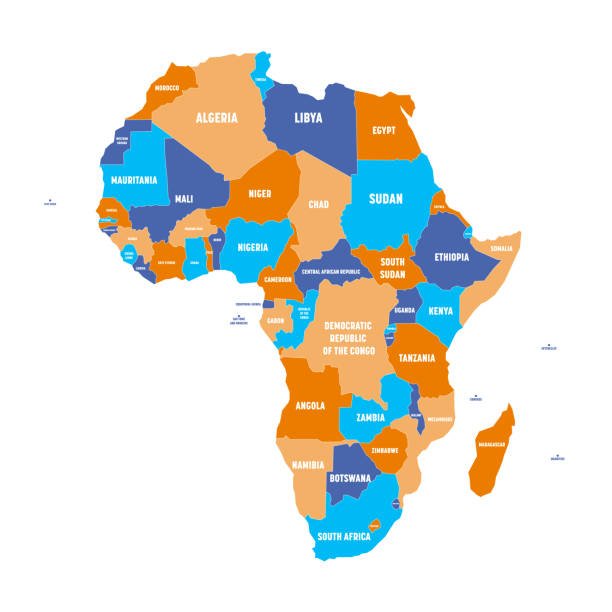
Yes, Africa does use XRP, primarily through RippleNet, for facilitating more efficient, lower-cost, and faster cross-border payments and remittances. While direct consumer adoption of XRP as a transactional currency varies by country and is still developing, its underlying technology and the network built by Ripple are actively leveraged by financial institutions across the continent to address the unique challenges of the African financial landscape, especially in high-volume remittance corridors.
Understanding XRP, RippleNet, and Africa's Financial Landscape
To fully grasp XRP's role in Africa, it's essential to understand what XRP and RippleNet are, and why Africa presents such a significant opportunity for innovative financial technologies.
What is XRP?
XRP is a digital asset created for payments, often referred to as a 'bridge currency'. It runs on the XRP Ledger (XRPL), an open-source, permissionless, and decentralized blockchain technology. Its primary advantage lies in its speed, low transaction costs, and scalability, making it suitable for high-frequency, global transactions.
What is RippleNet?
RippleNet is a global network of financial institutions that use solutions developed by Ripple, a blockchain technology company. It offers various products designed to modernize cross-border payments. While RippleNet can use XRP for liquidity (via its On-Demand Liquidity, or ODL, product), it also supports direct fiat-to-fiat transactions without necessarily involving XRP, although XRP-enabled solutions are often the most cost-effective.
Africa's Financial Dynamics and the Need for Innovation
Africa is a continent characterized by rapidly growing economies, a youthful population, high mobile penetration, and a significant diaspora. These factors contribute to several key financial dynamics:
- High Remittance Volumes: Millions of Africans living abroad send billions of dollars back home annually. Traditional remittance channels are often slow, expensive, and opaque.
- Cross-Border Trade: Intra-African trade and trade with other continents are expanding, requiring efficient and secure payment solutions.
- Financial Inclusion: A substantial portion of the population remains unbanked or underbanked, highlighting a critical need for accessible financial services.
- Fragmented Financial Infrastructure: Many African nations have diverse and sometimes disparate financial systems, making inter-country transactions complex.
These challenges create fertile ground for technologies like XRP in Africa and RippleNet Africa, which promise to streamline payment processes.
XRP's Adoption and Key Use Cases in Africa
The primary driver for XRP's adoption in Africa revolves around its potential to revolutionize cross-border payments and enhance financial inclusion.
Revolutionizing Remittances in Africa
Remittances are a lifeline for many families across Africa. The World Bank reports that sub-Saharan Africa remains one of the most expensive regions to send money to, with average costs often exceeding 8%. XRP's speed and low fees offer a compelling alternative:
- Lower Transaction Costs: XRP transactions can cost fractions of a cent, significantly reducing the overhead for money transfer operators and banks.
- Faster Settlement Times: While traditional bank transfers can take days, XRP transactions settle in seconds, enabling real-time payments for recipients.
- Enhanced Transparency: The distributed ledger technology provides a clear, immutable record of transactions.
Several financial institutions and money transfer operators in key remittance corridors, such as those connecting Europe or the Middle East to countries like Nigeria, Kenya, and South Africa, have explored or integrated RippleNet to offer more competitive remittance services.
Facilitating Cross-Border Trade and Commerce
Beyond remittances, XRP in Africa is also being considered for business-to-business (B2B) transactions. African businesses engaging in international trade often face delays and high costs when making payments across borders. RippleNet can provide a more efficient platform for these transactions, reducing working capital requirements and accelerating supply chains.
Driving Financial Inclusion
For the unbanked and underbanked populations, traditional banking services are often inaccessible or too expensive. Mobile money has made significant strides in Africa, but integrating these platforms with global payment networks remains a challenge. RippleNet and XRP Ledger Africa can bridge this gap by enabling faster and cheaper connections between mobile money providers and international financial systems, thereby expanding access to digital financial services.
Notable Partnerships and Initiatives
Ripple has actively pursued partnerships and strategies to expand its footprint on the continent:
- African Financial Institutions: Various banks and payment providers in South Africa, Ghana, Kenya, Egypt, and other nations have either partnered with Ripple or explored integrating RippleNet solutions. These partnerships aim to improve the efficiency of their international payment corridors.
- Strategic Investments: Ripple has shown interest in investing in fintech Africa startups and infrastructure, recognizing the continent's immense potential for digital transformation.
- Focus on Key Corridors: Much of the activity is concentrated in corridors with high remittance volumes, demonstrating a strategic approach to addressing immediate market needs.
These collaborations are crucial for increasing blockchain adoption Africa and integrating digital currencies Africa into mainstream financial services.
Challenges and Opportunities for XRP in Africa
While the potential for XRP and RippleNet in Africa is significant, there are also substantial hurdles to overcome.
Challenges
| Challenge | Description |
|---|---|
| Regulatory Uncertainty | Many African countries are still developing clear legal and regulatory frameworks for cryptocurrencies and blockchain technology. This ambiguity can deter mainstream financial institutions. |
| Infrastructure Limitations | Despite growing mobile penetration, reliable internet access and electricity remain challenges in some remote areas, impacting the seamless operation of digital payment systems. |
| Lack of Awareness and Education | A general lack of understanding about cryptocurrencies and their benefits among the broader population can hinder adoption. |
| Volatility Concerns | The price volatility of XRP, like other cryptocurrencies, can be a concern for businesses and individuals engaged in cross-border transactions, though ODL attempts to mitigate this for institutions. |
| Competition | XRP faces competition from other blockchain solutions, traditional payment giants (e.g., SWIFT), and a growing number of stablecoins gaining traction for cross-border payments. |
Opportunities
- Massive Remittance Market: The enduring demand for efficient remittance services provides a clear and immediate use case for RippleNet.
- Tech-Savvy Youth Population: Africa has the youngest population globally, often eager to adopt new technologies, including cryptocurrency Africa.
- Mobile Money Dominance: Integrating XRP-enabled solutions with existing mobile money ecosystems could unlock vast opportunities for financial inclusion and cross-border payments.
- Need for Cost Reduction: The high cost of traditional financial services across Africa makes cost-effective solutions highly attractive.
- Growing Fintech Ecosystem: The proliferation of innovative fintech Africa companies provides a strong foundation for integrating blockchain and digital asset solutions.
The Broader Cryptocurrency Landscape in Africa
XRP's presence in Africa is part of a larger trend of blockchain adoption Africa and the growing interest in digital currencies Africa. Bitcoin and Ethereum also have significant user bases, often used for speculative investment, peer-to-peer transfers, and to circumvent currency controls or inflation.
XRP's Distinct Niche
While Bitcoin is often seen as 'digital gold' and Ethereum as a platform for decentralized applications, XRP is specifically optimized for payments. This specialization gives it a unique position in the African market, particularly for institutions focused on efficient cross-border settlements.
Governmental Attitudes
Governmental attitudes toward cryptocurrencies vary widely across the continent. Some countries, like South Africa and Nigeria, have taken steps towards clearer regulation, while others have issued warnings or outright bans. However, the underlying technology of blockchain is often viewed more favorably for its potential in areas like land registries, supply chain management, and digital identity.
Future Outlook for XRP in Africa
The future of XRP in Africa appears promising, contingent on several factors:
- Regulatory Clarity: As more African nations develop comprehensive regulatory frameworks, institutional adoption of XRP and RippleNet is likely to accelerate.
- Technological Advancements: Continued improvements in internet infrastructure and smartphone penetration will further enable digital financial services.
- Strategic Partnerships: Ripple's ability to forge strong partnerships with major banks, mobile money operators, and fintech companies will be crucial for scaling its solutions.
- Education and Awareness: Efforts to educate both consumers and financial professionals about the benefits and security of blockchain-based payments will drive broader acceptance.
The continent's rapid technological adoption rate, coupled with its immense need for efficient and affordable financial services, positions Africa as a key battleground and growth market for digital payment innovations like XRP Ledger Africa.
Conclusion
In conclusion, Africa does use XRP, not necessarily as a primary everyday currency for consumers, but significantly at the institutional level through RippleNet. Financial institutions and payment providers across the continent are leveraging XRP's underlying technology to execute faster, cheaper, and more transparent cross-border payments and remittances. While challenges such as regulatory uncertainty and infrastructure limitations persist, Africa's burgeoning digital economy, high remittance volumes, and pursuit of financial inclusion present an undeniable opportunity for XRP in Africa to play an increasingly vital role in modernizing the continent's financial systems. As the blockchain adoption Africa trend continues and clarity in crypto regulations Africa evolves, the impact of XRP and similar digital assets is poised to grow, reshaping how money moves across the continent and beyond.
Enjoyed this read?
Share it with your friends and colleagues.