Does Africa Celebrate Valentine'S Day

BSC Insights Admin
September 30, 2026
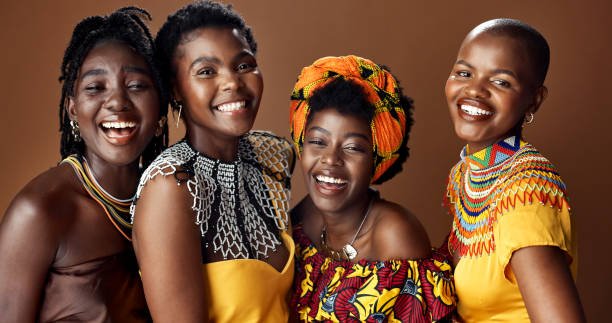
Does Africa celebrate Valentine's Day? The straightforward answer is yes, but with immense diversity and nuance that reflects the continent's rich tapestry of cultures, economies, and social norms. While not a traditional African holiday, Valentine's Day has gained significant traction across various African nations, particularly in urban centers, often blending Western romantic ideals with unique local expressions of love and affection. The celebration of love on February 14th ranges from highly commercialized events mirroring Western practices to subtle acknowledgements and even complete absence in some regions, making the question far more complex than a simple yes or no.
The Global Spread of Valentine's Day and Its Arrival in Africa
Valentine's Day, often associated with romantic love and gift-giving, has a history rooted in ancient Roman and early Christian traditions, popularized over centuries, particularly in Western Europe and North America. Its modern iteration, characterized by cards, flowers, chocolates, and romantic dinners, began to spread globally through media, commerce, and increased interconnectedness in the 20th century. Africa, a continent profoundly influenced by globalization and cultural exchange, naturally became part of this trend.
The arrival of Valentine's Day in Africa can be attributed to several factors:
- Colonial Legacy: Many African nations were exposed to Western holidays and customs during colonial rule.
- Globalization and Media: Western films, music, television, and more recently, social media, have played a significant role in popularizing global trends, including holidays like Valentine's Day.
- Commercial Interests: Businesses, both local and international, recognized the commercial potential of the holiday, actively promoting gift-giving and celebratory events.
- Urbanization: As populations moved to cities, they often adopted more globally recognized customs and lifestyles.
Diverse Valentine's Celebrations Across the African Continent
The way Africa celebrates Valentine's Day is anything but monolithic. The continent's 54 recognized countries each have distinct cultural landscapes, leading to varied levels and forms of engagement with the holiday. What might be a grand, commercial spectacle in one city could be a quiet family affair or entirely overlooked in another.
West Africa: A Growing Embrace of Romance and Commerce
In countries like Nigeria and Ghana, Valentine's Day has become a significant event, especially among younger generations in urban areas. It's often marked by:
- Extravagant Gifting: Red roses, chocolates, teddy bears, and expensive jewelry are popular gifts.
- Social Outings: Restaurants, clubs, and hotels host special events, leading to a surge in bookings.
- Media Hype: Radio stations, TV channels, and social media platforms are abuzz with Valentine's themed content, promotions, and dedications.
- Fashion: Couples often dress in matching outfits or wear red, symbolizing love and passion.
Despite the commercial aspect, the emphasis remains on expressing deep affection for loved ones, not exclusively romantic partners but sometimes also close friends and family.
East Africa: Blending Modernity with Local Flavor
In nations such as Kenya, Tanzania, and Uganda, St. Valentine's Day is increasingly recognized. While commercial aspects are present, there's often an attempt to integrate local flavors:
- Community Celebrations: Beyond individual romantic gestures, some communities organize events that celebrate love and friendship more broadly.
- Local Artisans: Demand for locally made gifts, crafts, and traditional attire for special occasions sees a bump.
- Safari and Beach Getaways: For those who can afford it, romantic getaways to national parks or coastal resorts are popular options.
The cultural impact of Valentine's Day in Africa is evident in how it often coexists with, and sometimes influences, traditional expressions of affection.
Southern Africa: Strong Western Influence and Commercialization
South Africa stands out as one of the African countries where Valentine's Day celebrations are most aligned with Western practices. Given its diverse population and strong economic ties to Western countries, the holiday is widely adopted and heavily commercialized:
- Widespread Marketing: Retailers, florists, and hospitality industries launch extensive campaigns weeks in advance.
- Restaurant Bookings: Restaurants are often fully booked for romantic dinners.
- Gift Economy: There's a significant boom in the sales of flowers, chocolates, and other romantic gifts.
This strong uptake makes Valentine's Day in South Africa feel very much like a holiday in Europe or North America, reflecting a highly globalized consumer culture.
North Africa: A More Conservative but Present Recognition
In North African countries like Egypt, Morocco, and Tunisia, Valentine's Day is celebrated, but often with a more conservative approach due to prevailing religious and cultural norms. While public displays of affection might be subdued, expressions of love still occur:
- Private Celebrations: Couples might celebrate more privately, with gifts and intimate dinners at home or in discreet restaurants.
- Gift Giving: Flowers and chocolates are common, but the overt romantic displays seen elsewhere might be less prevalent.
- Youth Engagement: Younger generations, particularly those exposed to global trends, are more inclined to observe the day.
This demonstrates how love and romance in Africa navigate the intersection of global trends and local conservative values.
Central Africa: Varied Levels of Adoption
In Central African nations, the adoption of Valentine's Day can be more varied. While urban areas in countries like Cameroon or DR Congo might see celebrations similar to West Africa, more remote or traditional communities might not recognize the day at all. The focus often remains on community and family bonds, though individual expressions of romantic love are always present.
The Economic Engine Behind Valentine's Day in Africa
The economic impact of Valentine's Day in Africa is substantial, turning the day into a lucrative period for various sectors:
| Industry Sector | Impact of Valentine's Day | Examples |
|---|---|---|
| Retail & E-commerce | Increased sales of gifts, cards, apparel | Florists, confectioners, jewelers, clothing stores |
| Hospitality & Dining | Surge in bookings for hotels, restaurants, cafes | Special Valentine's menus, themed events, romantic packages |
| Entertainment | Higher demand for movies, concerts, recreational activities | Cinemas, event organizers, resorts |
| Beauty & Wellness | Increased demand for personal care products, spa treatments | Salons, spas, perfume brands |
| Logistics & Delivery | Busier operations for flower and gift deliveries | Courier services, local delivery startups |
This commercialization, driven by aggressive marketing and consumer demand, underscores how Western influence on African holidays can create new economic opportunities while also shaping cultural practices. Many small businesses thrive during this period, capitalizing on the desire to express love through material gestures.
Cultural Adaptations and Traditional Expressions of Love
While Valentine's Day is a relatively new phenomenon in many parts of Africa, the continent has always had its own rich traditions for expressing love, affection, and commitment. These traditional African Valentine's traditions often emphasize community, family, and respect, rather than purely individualistic romantic love.
- Bridal Price (Lobola/Dowry): A long-standing tradition in many cultures, symbolizing commitment and the value placed on a future spouse and their family.
- Rites of Passage: Many communities have elaborate ceremonies and rituals that mark the transition to adulthood and readiness for marriage, often involving public declarations of love and loyalty.
- Oral Traditions: Poetry, songs, and storytelling have historically been powerful ways to express love, devotion, and admiration.
- Communal Gatherings: Love is often celebrated within the broader context of family and community events, where relationships are affirmed and strengthened.
The contemporary celebration of love across Africa often sees a blend where modern Valentine's gestures are interwoven with these deeper cultural values. For instance, a romantic dinner might be followed by a visit to extended family, or a bouquet of roses might accompany a traditionally meaningful gift.
Challenges and Criticisms of Valentine's Day in Africa
Despite its growing popularity, Valentine's Day is not without its critics in Africa. Some common concerns include:
- Western Imperialism: Critics argue that the holiday is a symbol of cultural homogenization and a form of Western cultural imperialism, eroding local traditions.
- Commercialism: The heavy commercialization is often seen as promoting materialism and consumerism, placing undue financial pressure on individuals, particularly in economies where disposable income is limited.
- Irrelevance: In some rural or highly traditional communities, the day holds little to no significance, viewed as a foreign concept.
- Exclusivity: The focus on romantic couples can make those who are single or widowed feel excluded.
These challenges highlight the ongoing dialogue within African societies about balancing global influences with the preservation of indigenous cultural practices and values. The discussion around how African countries celebrate love often touches upon these broader themes of identity and cultural authenticity.
The Future of Valentine's Day in Africa
The trend suggests that Valentine's Day will continue to grow in prominence across Africa, particularly as urbanization and connectivity increase. However, it is unlikely to ever fully replace or overshadow the continent's own rich and diverse ways of expressing love and familial bonds. Instead, we can expect to see further integration and adaptation, where the universal theme of love is celebrated through a uniquely African lens.
This means more localized products, services, and interpretations of the holiday. For example, instead of just red roses, there might be a greater emphasis on local flora, or traditional foods incorporated into romantic meals. Social media will continue to play a crucial role in shaping these celebrations, allowing for instantaneous sharing of affection and influencing trends among younger demographics.
Conclusion
In conclusion, the answer to Does Africa celebrate Valentine's Day? is a resounding yes, though with profound variations. From the bustling urban centers of South Africa and Nigeria, where it's a major commercial event, to more subdued acknowledgements in North Africa and less prevalent recognition in certain rural areas, the holiday reflects Africa's dynamic engagement with global culture. It stands as a testament to the continent's ability to absorb, adapt, and localize foreign traditions, creating a unique blend of global romance and indigenous expressions of affection. Ultimately, Valentine's Day in Africa is not just about adopting a Western holiday; it's about finding yet another opportunity to celebrate the enduring human experience of love, albeit through a distinctly African prism.
Enjoyed this read?
Share it with your friends and colleagues.