Did Africa Have Vikings

BSC Insights Admin
October 07, 2026
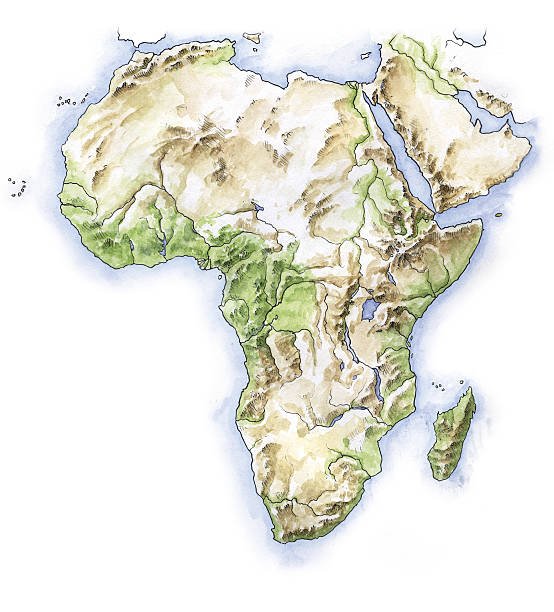
The question, Did Africa Have Vikings? often sparks curiosity, conjuring images of longships on desert shores. However, based on current archaeological and historical evidence, there is no direct proof of Viking settlements, raids, or sustained presence by Norse people in Africa. While the Vikings were prodigious explorers and traders who reached far-flung corners of the world, their direct interactions did not extend to the African continent in the same way they did with Europe, Iceland, Greenland, or even North America. That being said, indirect contact and the potential for their goods to reach African shores via extensive medieval trade networks are certainly plausible.
Understanding the Viking Age and Their Reach
To fully grasp the scope of potential Norse-African interactions, it's crucial to understand who the Vikings were and the extent of their known expansion. The Viking Age, roughly from the late 8th to the mid-11th century, saw people from Scandinavia embark on voyages of raiding, trading, exploring, and settling across vast geographical areas. These Norse seafarers were renowned for their advanced shipbuilding, particularly their iconic longships, which allowed them to navigate both open oceans and shallow rivers with remarkable efficiency.
The Drivers of Viking Expansion
- Resource Acquisition: Seeking new lands, resources, and wealth through raiding and trade.
- Population Growth: Pressure on land in their homelands led to emigration.
- Political Instability: Internal conflicts and the quest for new power bases.
- Technological Prowess: Superior shipbuilding and navigation skills.
Their expansion led them west to the British Isles, Iceland, Greenland, and even briefly to North America (Vinland). To the east, they established trade routes through present-day Russia, reaching the Byzantine Empire (Constantinople) and the Caspian Sea. It is their southern expansion, particularly into the Mediterranean, that offers the most intriguing, albeit indirect, potential for a connection with Africa.
Viking Presence in the Mediterranean: The Closest Approach
While African shores remained largely untouched by direct Viking incursions, the Norse did venture into the Mediterranean Sea. This region represents the southernmost extent of their documented direct activity and is the logical point from which any indirect contact with Africa would have stemmed. Their presence in the Mediterranean was primarily characterized by raiding and trading, often interacting with the powerful Islamic caliphates and Christian kingdoms of the time.
Raids and Trade in Iberia and Beyond
The Iberian Peninsula, particularly Al-Andalus (Islamic Spain), witnessed Viking activity. One of the most significant documented events was the Viking raid on Seville in 844 CE. A fleet of Norse ships sailed up the Guadalquivir River, causing significant disruption before being repelled by the Umayyad forces. Subsequent smaller raids and trade visits to the region are also recorded.
From Iberia, some Viking fleets ventured further east into the Mediterranean, reaching southern France, Italy, and even parts of North Africa's neighboring islands like Sicily. However, these were typically opportunistic raids for plunder, not attempts at permanent settlement or conquest on the scale seen in, for example, England or Normandy. Crucially, even these Mediterranean forays did not extend to establishing a significant foothold on the North African mainland itself.
Indirect Connections: The Silk Roads and Islamic Trade Networks
Despite the lack of direct Viking presence, the medieval world was far more interconnected than often imagined. The Vikings, through their extensive trade networks, were undeniably part of a larger global economic system. This is where the notion of Norse contact with Africa becomes more nuanced, focusing on the movement of goods rather than people.
The Role of Islamic Caliphates
During the Viking Age, North Africa was dominated by powerful and sophisticated Islamic empires, such as the Aghlabids in Ifriqiya (modern Tunisia and eastern Algeria) and the Umayyads in Morocco and Al-Andalus. These empires were at the heart of vast trade networks that stretched across the Sahara Desert to West Africa, along the Nile into East Africa, and across the Mediterranean to the Middle East and Europe.
When Vikings traded with or raided Islamic Spain, they were plugging into a system that had direct links to North Africa. Islamic dirhams, many of which were minted in North Africa or circulated widely there, have been found in Viking hoards across Scandinavia and the Baltic region. While these coins primarily arrived via the Volga trade route through Eastern Europe, it is not inconceivable that some also entered the Norse sphere via Mediterranean routes.
Goods and Cultural Exchange
It's entirely plausible that goods originating from Africa – such as gold, ivory, spices, or even certain textiles – could have made their way into Viking hands, not through direct encounter but through successive layers of trade. Similarly, Scandinavian goods like furs, amber, and weapons could have traveled south. This intercontinental trade network facilitated a broader cultural exchange, even if the direct human interaction was minimal.
Consider the following chain of potential indirect contact:
- Norse Traders in Al-Andalus: Vikings would trade with or raid Islamic cities in Spain.
- Al-Andalus to North Africa: Merchants in Al-Andalus had established maritime and overland trade routes with cities like Ceuta, Tangier, and Fes in North Africa.
- North African Trade Hubs: These cities were key nodes in larger Trans-Saharan trade routes connecting to sub-Saharan Africa.
Therefore, while a Viking never directly set foot in Timbuktu, goods from Scandinavia could conceivably have ended up there, and vice-versa.
Logistical Challenges and Formidable Opponents
Several factors made a significant Viking presence in Africa highly improbable, if not impossible:
Geographical Barriers
The sheer distance from Scandinavia to North Africa, coupled with the need to navigate the Strait of Gibraltar and then the unfamiliar African coastline, presented immense logistical challenges. While longships were versatile, deep-sea expeditions to distant, unknown shores required significant planning and resources for resupply.
Climatic and Environmental Differences
The climate of North Africa – hot, arid, and vastly different from their northern homelands – would have been a significant deterrent and challenge for adaptation. The types of food, water sources, and building materials available were entirely unlike what the Norse were accustomed to.
Powerful African Empires
Crucially, North Africa during the Viking Age was not an unpopulated or undefended land. It was home to powerful, well-organized, and militarily capable Islamic states with formidable armies and navies. Any large-scale Viking invasion or attempt at settlement would have been met with overwhelming resistance, far superior to what many early Viking raiders encountered in less unified parts of Europe.
The coastal cities of North Africa, such as Tunis, Algiers, and Alexandria, were thriving centers of trade, culture, and power, protected by strong defenses and naval forces well-versed in Mediterranean warfare. Engaging such powers directly would have been a fool's errand for Viking fleets, whose strengths lay in swift raids and exploiting fragmented political landscapes.
Archaeological and Historical Evidence: What Do We Find?
When historians and archaeologists investigate questions like Did Africa Have Vikings?, they look for specific types of evidence:
| Type of Evidence | Findings Related to Vikings in Africa | Interpretation |
|---|---|---|
| Archaeological Sites (settlements, graves) | None found in Africa unequivocally linked to Norse presence. | No direct Viking settlement or significant encampments. |
| Runes/Inscriptions | No runic inscriptions found in Africa. | No direct evidence of Norse literacy or permanent markers. |
| Norse Artifacts (weapons, tools, jewelry) | Extremely rare or non-existent direct finds. | No proof of Norse material culture being established in Africa. |
| Historical Chronicles (Arabic, Latin, Norse Sagas) | Arabic chronicles mention Norsemen (Majus) in Iberia and the Mediterranean. No clear accounts of them landing in North Africa. | Confirms Mediterranean Viking activity, but not direct African incursions. |
| Genetic Studies | No significant Scandinavian genetic markers identified in historical African populations. | No evidence of widespread intermarriage or settlement. |
The absence of these key indicators strongly suggests that Vikings did not establish a direct presence on the African continent. This contrasts sharply with regions where they did settle, such as England, Ireland, Normandy, or Iceland, where archaeological finds, place names, and genetic markers are abundant.
Addressing Common Misconceptions
The idea that Vikings might have reached Africa is often fueled by a romanticized view of their global explorations and a general fascination with their adventurous spirit. However, it's important to distinguish between:
- Exploration: Reaching and briefly interacting with new lands.
- Settlement: Establishing permanent communities.
- Raiding: Opportunistic attacks for plunder.
- Trade: Exchange of goods, often through intermediaries.
While the Vikings excelled at all these activities, the historical record indicates that their reach into Africa remained largely at the level of indirect trade, if at all, and certainly not direct exploration, settlement, or large-scale raiding.
Conclusion: An Indirect Echo, Not a Direct Footprint
In summary, the answer to the question, Did Africa Have Vikings?, is a resounding no, if referring to a direct Viking presence, settlements, or significant raids on the continent. The Vikings were formidable explorers, reaching the very edge of the known world for their time, including the Mediterranean Sea. Their raids on the Iberian Peninsula brought them geographically close to North Africa, and their extensive trade networks undoubtedly connected them to the broader medieval Islamic world, which in turn had profound links to Africa.
Therefore, while African goods might have made their way into Viking hands through indirect trade routes, and vice-versa, there is no historical or archaeological evidence to suggest that Viking longships ever landed on African shores with intent to settle or conquer, nor did Norse individuals establish communities there. The powerful, established Islamic empires of North Africa, combined with the vast distances and logistical challenges, ensured that Africa remained outside the direct grasp of Viking expansion, making their connection an indirect echo through the vibrant tapestry of medieval global trade rather than a direct footprint.
Enjoyed this read?
Share it with your friends and colleagues.