How Much Water Is There In Africa

BSC Insights Admin
October 01, 2026
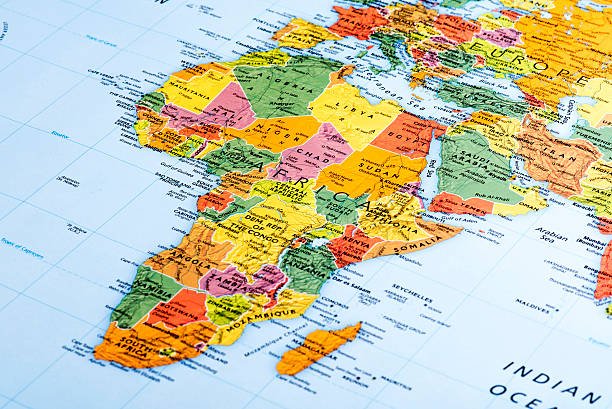
Africa possesses an immense and diverse array of water resources, including some of the world's largest rivers, expansive freshwater lakes, and significant underground aquifers. However, answering the question of how much water is there in Africa is complex, as it involves not just the sheer volume but also the accessibility, distribution, quality, and sustainable management of these vital resources across the continent's diverse landscapes and climates.
While often perceived as a dry continent, Africa is endowed with substantial freshwater, with its total annual renewable freshwater resources estimated to be around 4,000 cubic kilometers. This vast quantity is crucial for supporting ecosystems, agricultural production, industrial development, and the livelihoods of over a billion people. Yet, the uneven geographical distribution and the challenges of climate change, rapid population growth, and inadequate infrastructure mean that many regions experience severe water stress despite the continental abundance.
The Grand Overview: Africa's Water Endowment
Africa's freshwater reserves are incredibly diverse, ranging from surface water bodies that are visible and well-known to vast, hidden groundwater systems. Understanding these different components is key to comprehending the overall picture of Africa's water resources.
Surface Water: Rivers and Lakes
The continent is home to some of the planet's most iconic and powerful rivers, which act as lifelines for millions and define entire ecosystems. These waterways are a primary source of freshwater availability in Africa.
- The Nile River: The longest river in the world, stretching approximately 6,650 km, the Nile traverses 11 countries, supporting vast populations and agricultural systems. Its annual flow is critical for Egypt and Sudan, despite originating much further south.
- The Congo River: Ranked as the second-largest river in the world by discharge volume and the deepest, the Congo River system holds immense potential for hydropower generation. Its basin is rich in biodiversity and provides substantial water resources for Central Africa.
- The Zambezi River: Flowing through six countries, the Zambezi is famous for Victoria Falls and is crucial for hydropower, particularly for countries like Zambia and Zimbabwe, through dams like Kariba and Cahora Bassa.
- The Niger River: The principal river of West Africa, it forms a vast inner delta that supports unique ecosystems and agricultural practices, providing vital water for countries like Mali and Nigeria.
- Great Lakes of Africa: This system includes Lake Victoria (the largest tropical lake by area globally), Lake Tanganyika (the world's second-deepest freshwater lake), and Lake Malawi. These lakes contain a significant portion of the world's surface freshwater, supporting diverse aquatic life and providing essential water for East and Southern Africa.
These major river systems and lakes, along with countless smaller rivers and seasonal wetlands, contribute significantly to the total surface water resources of Africa, playing a crucial role in regional economies and human settlements.
Groundwater Reserves: The Hidden Treasure
Below the surface, Africa holds vast quantities of groundwater, often referred to as a hidden treasure. These aquifers are especially vital in arid and semi-arid regions where surface water is scarce or seasonal. Estimates suggest that Africa's groundwater reserves could be more than 20 times the amount of annual surface water, though much of this is non-renewable (fossil water).
- Nubian Sandstone Aquifer System: This massive fossil aquifer underlies parts of Libya, Egypt, Chad, and Sudan, holding an estimated 375,000 cubic kilometers of freshwater. While largely non-renewable, it represents an enormous strategic reserve.
- Coastal Sedimentary Aquifers: Found along various coastlines, these aquifers are crucial for coastal populations, though they face challenges from saltwater intrusion.
- Fractured Basement Aquifers: Common in much of sub-Saharan Africa, these provide local water sources but can be challenging to locate and extract sustainably.
Groundwater in Africa is increasingly being recognized as a critical resource for building resilience against climate variability and ensuring water supply for growing populations, especially in areas prone to drought. However, the sustainable management of these resources, including careful monitoring of extraction rates, is paramount.
Rainwater and Atmospheric Moisture
Rainfall is the ultimate source of all freshwater resources. Africa experiences highly varied rainfall patterns, from the equatorial regions with abundant year-round precipitation to the vast deserts with minimal rainfall. The annual average rainfall across the continent contributes significantly to the replenishment of rivers, lakes, and groundwater.
- Seasonal Rains: Many regions rely heavily on seasonal monsoons and rainy seasons, which dictate agricultural cycles and water availability.
- Rainwater Harvesting: Traditional and modern rainwater harvesting techniques are crucial in many areas, particularly where centralized water infrastructure is lacking, allowing communities to capture and store this vital resource.
Understanding and forecasting these rainfall patterns are essential for effective water management in Africa, especially given the increasing unpredictability due to climate change.
Quantifying Africa's Water: Challenges and Estimates
While the overall quantity of water is immense, measuring and quantifying it precisely presents several challenges, particularly when considering what is actually available for human use and ecosystem support.
Total Renewable Freshwater Resources
The total actual renewable freshwater resources in Africa are estimated to be around 4,000 cubic kilometers per year. This figure includes both internally generated water (from rainfall within a country's borders) and external water (flowing in from neighboring countries). However, this aggregate number hides significant disparities.
- Per Capita Availability: On average, Africa has a relatively high per capita renewable freshwater availability, approximately 4,600 cubic meters per person per year. This is higher than Asia's average. However, this average is misleading due to the enormous differences in population density and resource distribution.
- Regional Disparities: Some countries in Central Africa, like the Democratic Republic of Congo, have very high per capita availability due to the Congo River. In contrast, North African countries and parts of the Sahel and Horn of Africa face extreme water stress, with per capita availability well below 1,000 cubic meters per year, which is generally considered the threshold for water scarcity.
Uneven Distribution: The Paradox of Abundance and Scarcity
Perhaps the most critical aspect of how much water is there in Africa is its uneven distribution. This creates a paradox where vast regions suffer from chronic water scarcity while others have abundant resources. This geographic and temporal variability is a significant challenge for water security in Africa.
- Arid and Semi-Arid Zones: The Sahara Desert, the Sahel region, and parts of Southern Africa (e.g., Namibia, Botswana) are naturally water-scarce, relying heavily on limited groundwater or seasonal rainfall.
- Humid Tropics: Regions around the equator, particularly the Congo Basin and parts of West Africa, receive abundant rainfall and are rich in surface water.
- Climate Change Impacts: Climate change is exacerbating these disparities, leading to more frequent and intense droughts in already dry areas and unpredictable flooding in others, altering historical rainfall patterns and increasing the variability of water availability.
Water Quality Concerns
The quantity of water is only one part of the equation; its quality is equally crucial. Many of Africa's water resources are threatened by pollution, rendering them unsafe for consumption or harmful to ecosystems. Addressing Africa's water challenges includes improving water quality.
- Pollution Sources: Untreated industrial waste, agricultural runoff (pesticides, fertilizers), and domestic sewage are major sources of water pollution in rivers, lakes, and even groundwater.
- Access to Safe Drinking Water: Millions of Africans lack access to safely managed drinking water. Contaminated water sources lead to widespread waterborne diseases, impacting public health and economic productivity.
Utilization and Demand: Who Uses Africa's Water?
The demand for water in Africa is growing rapidly due to population increase, urbanization, and economic development. Understanding how these resources are currently utilized is vital for future planning.
Agriculture: The Thirsty Giant
Agriculture accounts for the largest share of water withdrawal in Africa, typically consuming over 80% of available freshwater. This significant demand is driven by the need to feed a growing population and support agrarian economies.
- Rainfed vs. Irrigated Agriculture: The majority of agriculture in Africa is rainfed, making it highly vulnerable to rainfall variability. Irrigated agriculture, while increasing yields, places immense pressure on surface and groundwater resources.
- Inefficient Irrigation: Many existing irrigation systems are inefficient, leading to significant water loss through evaporation and seepage. Improving irrigation efficiency is a key strategy for sustainable water management in Africa.
Domestic and Municipal Use
As urban populations expand rapidly, the demand for water for household use, sanitation, and municipal services is skyrocketing. Providing adequate and safe water to urban centers is a major infrastructure challenge.
- Access Gaps: While progress has been made, significant gaps remain in ensuring universal access to safely managed drinking water and sanitation services, particularly in informal settlements and rural areas.
- Infrastructure Challenges: Many urban water supply systems suffer from aging infrastructure, high water losses, and inadequate treatment facilities.
Industry and Energy
Industrial activities and energy production also consume significant amounts of water. Hydropower is a major source of electricity in many African countries, leveraging the continent's large rivers.
- Hydropower Potential: Rivers like the Congo and Zambezi offer immense hydropower potential, crucial for economic development and reducing reliance on fossil fuels.
- Mining and Manufacturing: These sectors require water for processing, cooling, and waste disposal, often leading to localized water stress and pollution if not managed responsibly.
Managing Africa's Water Resources: Opportunities and Solutions
Addressing the complex challenges of Africa's water resources requires a multi-faceted approach, combining sustainable practices, technological innovation, and strong governance.
Sustainable Water Management Practices
Effective management is not just about finding more water, but about using existing resources more wisely.
- Integrated Water Resources Management (IWRM): This holistic approach considers all aspects of water management – social, economic, and environmental – within a river basin framework. It promotes coordinated development and management of water, land, and related resources.
- Transboundary Water Cooperation: Many of Africa's major rivers cross multiple national borders. Cooperation among riparian states, through river basin organizations (e.g., Nile Basin Initiative, Zambezi River Authority), is essential for equitable and sustainable resource sharing.
- Water Harvesting: From small-scale household rainwater tanks to larger community ponds and infiltration systems, water harvesting can significantly augment local supplies and reduce reliance on distant sources.
- Efficient Agriculture: Implementing water-saving irrigation techniques like drip irrigation, sprinkler systems, and drought-resistant crop varieties can drastically reduce agricultural water footprint.
Technology and Innovation
Technological advancements offer promising solutions to enhance water security.
- Desalination: For coastal and island communities facing extreme water scarcity, desalination plants (converting seawater into freshwater) are becoming a viable, though energy-intensive, option. Countries like South Africa and Namibia already utilize this technology.
- Wastewater Treatment and Reuse: Treating municipal and industrial wastewater to a high standard allows for its safe reuse in agriculture, industry, and even groundwater replenishment, easing pressure on fresh supplies.
- Remote Sensing and GIS: Satellite imagery and Geographic Information Systems (GIS) can monitor water levels, rainfall patterns, land use changes, and aquifer depletion, providing crucial data for informed decision-making.
- Climate-Resilient Infrastructure: Investing in infrastructure that can withstand extreme weather events, such as flood-resistant dams and drought-proof boreholes, is critical for future resilience.
Policy and Governance
Strong institutions and effective policies are the bedrock of sustainable water management.
- Strengthening Institutions: Developing robust national and regional water authorities with clear mandates, adequate funding, and skilled personnel is essential.
- Community Involvement: Empowering local communities in water management decisions and infrastructure maintenance can lead to more sustainable and equitable outcomes.
- Investment in Water Infrastructure: Significant investment is needed to upgrade aging infrastructure, expand access to safe water and sanitation, and develop new, sustainable sources.
- Addressing Corruption and Inequities: Transparent governance and equitable allocation policies are crucial to ensure that water resources benefit all segments of society and are not exploited.
The Future of Water in Africa
The trajectory of water security in Africa will be shaped by a confluence of factors, notably climate change and demographic shifts.
Climate Change and Future Projections
Climate change poses the most significant long-term threat to Africa's water resources. Projections indicate:
- Increased Variability: More extreme weather events, including prolonged droughts in some regions and intense floods in others, will become common.
- Changes in Rainfall: Shifts in rainfall patterns will affect agricultural yields, hydropower generation, and the replenishment of surface and groundwater.
- Glacial Retreat: Iconic African glaciers on Mount Kilimanjaro and the Rwenzori Mountains, which feed some river systems, are rapidly receding, impacting local water availability.
These impacts necessitate proactive adaptation strategies, including diversified water sources, improved water storage, and early warning systems for droughts and floods.
Population Growth and Urbanization
Africa's population is projected to double by 2050, reaching over 2.5 billion people. This rapid growth, coupled with accelerating urbanization, will place immense pressure on existing water infrastructure in Africa and natural resources.
- Rising Demand: There will be an exponential increase in demand for water across all sectors – agriculture, domestic, and industrial.
- Urban Water Stress: Cities will face heightened challenges in providing safe and reliable water services, particularly in rapidly expanding informal settlements.
Towards Water Security
Achieving water security in Africa means ensuring that all people have reliable access to sufficient quantities of safe water for a healthy and productive life, while also maintaining freshwater ecosystems. This goal requires sustained commitment to:
- Cross-Sectoral Collaboration: Integrating water management with land use planning, energy, agriculture, and urban development.
- Strategic Investment: Mobilizing domestic and international finance for water infrastructure, research, and capacity building.
- Innovation and Adaptation: Embracing new technologies and developing context-specific solutions to address unique regional challenges.
Conclusion
In summary, how much water is there in Africa is a question with a complex answer. The continent is undeniably rich in freshwater resources, boasting vast river systems, immense lakes, and substantial groundwater reserves. However, the sheer quantity belies the critical challenges of uneven distribution, widespread water scarcity in many regions, pressing water quality concerns, and the growing demand driven by population growth and climate change impacts. While abundance exists in some areas, the reality for many communities is one of chronic water stress and limited access to safe water.
Moving forward, ensuring water security in Africa will depend on effective implementation of sustainable water management practices, harnessing technological innovations, fostering robust governance, and promoting transboundary cooperation. By strategically managing its diverse water endowment, Africa has the potential to overcome its water challenges and ensure this vital resource supports the continent's sustainable development and the well-being of all its people.
Enjoyed this read?
Share it with your friends and colleagues.