Which Countries In Africa Require Yellow Fever Vaccination

BSC Insights Admin
October 01, 2026
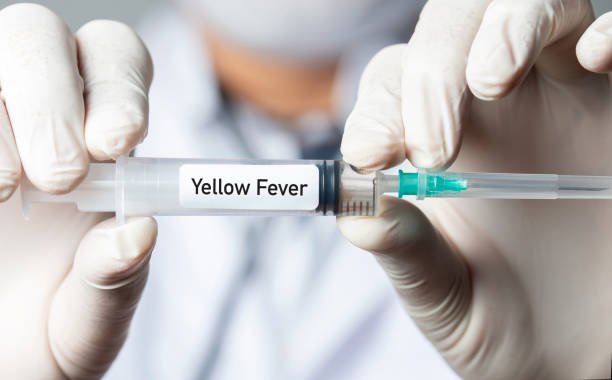
Identifying Which Countries In Africa Require Yellow Fever Vaccination is a critical step for any traveler planning a journey to the continent to ensure compliance with international health regulations. The World Health Organization and individual nations mandate this vaccine primarily to prevent the international spread of the virus and protect local populations from outbreaks. Currently, most countries in the sub-Saharan region have strict entry requirements regarding the International Certificate of Vaccination or Prophylaxis, commonly known as the Yellow Card.
Navigating these health requirements can be complex because rules often vary based on your country of origin and the duration of your stay. This guide provides a detailed look at the nations that enforce these regulations and what you need to know before booking your flight to avoid being denied entry at the border.
These are the Countries in Africa that Require Yellow Fever Vaccination
When planning an African expedition, it is vital to distinguish between countries that require the vaccine for all travelers and those that only require it if you are arriving from an endemic zone. The following list focuses on the sovereign states where the vaccine is a fundamental entry requirement for most visitors. Ensuring you have your documentation ready before arrival is the best way to guarantee a smooth transition through immigration and customs across these diverse territories.
1. Angola
Angola maintains one of the strictest policies on the continent, requiring a Yellow Fever certificate from all travelers older than nine months of age regardless of their point of origin. This regulation is a direct response to a massive outbreak the country faced in 2015 and 2016, which highlighted the vulnerability of urban populations to mosquito-borne diseases. Travelers arriving at Luanda’s international airport will find that health officers are very diligent in checking for the legitimate International Certificate of Vaccination or Prophylaxis. If you fail to produce this document, you may be required to receive the vaccination on-site at the airport for a fee, or in some cases, you could be denied entry entirely. It is highly recommended to receive the shot at least ten days before your departure to ensure the vaccine has become effective in your system. This ten day window is a standard requirement recognized by the World Health Organization for the certificate to be considered valid for international travel.
2. Benin
In the West African nation of Benin, the government mandates that all incoming travelers provide proof of vaccination against this specific virus. This requirement applies to everyone entering the country, whether you are arriving by air at Cotonou or crossing through a land border from neighboring states. Benin is situated in a high-risk transmission zone where the Aedes aegypti mosquito is prevalent throughout the year due to the humid tropical climate. Public health officials are particularly vigilant during the rainy seasons when mosquito populations tend to surge across the coastal and inland regions. For many visitors, the vaccine is not just a legal requirement but a necessary health precaution to prevent severe illness while exploring the historic sites of Ouidah or Porto-Novo. Because the vaccine now provides lifelong protection, you only need to ensure that the initial dose was recorded correctly in your official yellow booklet.
3. Burkina Faso
Burkina Faso is a landlocked country in the Sahel region that requires a valid certificate from every traveler seeking entry into its territory. This policy is strictly enforced at Ouagadougou International Airport and at all major road checkpoints along the borders with Mali, Niger, and Ghana. The nation is classified as being at high risk for transmission, and the government uses these entry requirements as a primary shield to prevent localized outbreaks from escalating. Travelers should be aware that the health check often happens before you even reach the immigration desk, making it the very first interaction you have with local authorities. It is wise to keep your certificate inside your passport so that it is readily available for inspection upon arrival. Missing documentation can lead to significant delays and complications, especially if you are traveling during a period when regional health alerts are active.
4. Burundi
Located in the Great Lakes region of East Africa, Burundi enforces a mandatory vaccination policy for all travelers older than nine months entering the country. The nation’s geography, characterized by high humidity and lush vegetation, provides an ideal breeding ground for the vectors that carry the virus. Immigration officials at the Bujumbura airport and at the land borders with Rwanda and Tanzania will routinely ask to see your International Certificate of Vaccination. The requirement is part of a broader regional effort to harmonize health protocols and protect the domestic population from imported cases. Given that Burundi has faced various public health challenges in the past, they take these preventative measures very seriously to maintain national health security. Travelers are encouraged to check with their local travel clinics to ensure they have the most up-to-date version of the certificate before they start their journey.
5. Cameroon
Cameroon is another nation where the Which Countries In Africa Require Yellow Fever Vaccination inquiry leads to a clear and mandatory yes for all visitors. This Central African country requires proof of immunization from every person crossing its borders, reflecting its status as a fully endemic zone for the disease. Whether you are arriving in the economic hub of Douala or the political capital of Yaounde, the health card is a mandatory document alongside your visa. Cameroon features a variety of landscapes from coastal jungles to northern savannas, all of which can support the transmission cycle of the virus between monkeys and humans. By requiring the vaccine, the Cameroonian government ensures that the tourism industry does not become a vector for the international spread of the disease. Most regular travelers to this region have found that having the vaccine is the most efficient way to navigate the many internal checkpoints found throughout the country.
6. Central African Republic
The Central African Republic is situated in the heart of the continent’s tropical belt and requires a valid certificate for all entries. The nation is home to vast stretches of primary rainforest where the sylvatic cycle of the virus is naturally present among the wildlife. Because of the logistical challenges in the region, the government relies heavily on preventative vaccination for both its citizens and any visitors entering the territory. Travelers who are planning to visit the remote northern or southern parks should be particularly cautious and ensure their immunization is current. Immigration officers at Bangui M’Poko International Airport will check for the yellow booklet as a standard part of the arrival process. Failure to provide proof of vaccination can result in a mandatory quarantine or immediate vaccination by local health staff, which is an experience most travelers prefer to avoid.
7. Congo
The Republic of the Congo, also known as Congo-Brazzaville, maintains a strict requirement for the vaccine for all individuals older than nine months. The country’s extensive forest cover and equatorial climate mean that the risk of transmission is persistent throughout the year. Upon arrival in Brazzaville or the port city of Pointe-Noire, travelers are expected to present their valid International Certificate of Vaccination. This regulation is part of the national health strategy to eliminate the threat of urban outbreaks in its densely populated cities. Public health officials work closely with airlines to ensure that passengers are informed of this requirement before they even board their flights. It is worth noting that while the WHO now considers the vaccine to be valid for life, you should verify that your specific certificate reflects this or carries the appropriate lifetime endorsement.
8. Côte d’Ivoire
In Côte d’Ivoire, commonly referred to as the Ivory Coast, the government mandates that all incoming visitors provide evidence of vaccination against the virus. This West African powerhouse is a major regional hub, and the high volume of international travel through Abidjan makes the enforcement of health regulations a top priority. The requirement is applicable to all travelers, regardless of where they are flying from or how long they intend to stay. Côte d’Ivoire has a history of reporting sporadic cases, and maintaining high levels of immunity through these entry requirements is essential for national stability. Travelers will find that the health check is a quick but mandatory part of the arrival sequence at Felix Houphouet-Boigny International Airport. Being prepared with your yellow card will help you avoid the secondary screening area where travelers with missing documents are processed.
9. Democratic Republic of the Congo
The Democratic Republic of the Congo is one of the largest and most biologically diverse countries in Africa, and it requires the vaccine for all arrivals. This nation contains the majority of the Congo Basin rainforest, where the virus is known to circulate naturally in the environment. Due to the scale of the country and the complexity of its health landscape, the mandatory vaccination policy is a vital tool for preventing large-scale epidemics. Immigration and health officers at N’Djili Airport in Kinshasa and at various land and water crossings will carefully inspect your documentation. The requirement is strictly enforced for anyone older than one year of age, reflecting the high risk of exposure in both urban and rural settings. For those planning to visit the eastern provinces for gorilla trekking or mountain climbing, the vaccine is considered an absolute necessity for personal safety and legal compliance.
10. Gabon
Gabon is a nation covered almost entirely by dense tropical forests, and it requires a valid vaccination certificate for every person seeking entry. The government has a very clear policy that applies to all travelers, ensuring that the country remains protected from the introduction of new viral strains. Gabonese authorities are known for their efficiency at Leon Mba International Airport, where the health check is integrated into the primary arrival flow. Because Gabon has invested heavily in its ecotourism sector, they take great care to ensure that all visitors are immunized to protect the local wildlife and the human population. The presence of the Aedes and Haemagogus mosquitoes in the forest makes the risk of transmission a constant reality that the government manages through these strict entry laws. If you are traveling through Gabon on your way to other Central African nations, you will still need to show your card even for a short stay.
11. Ghana
Ghana is one of the most popular destinations in West Africa and requires proof of vaccination from all travelers entering the country. This regulation is non-negotiable and is enforced with a high degree of professionalism at Kotoka International Airport in Accra. Ghana is situated in an area where the virus is endemic, and the government takes proactive steps to ensure that the booming tourism industry does not facilitate an outbreak. Many visitors choose Ghana as their first entry point into the region, making it essential that they have their yellow cards ready before they leave their home countries. The health officers in Ghana are also a good source of information for other tropical health precautions you might need while in the country. Failure to have the certificate will almost certainly result in being vaccinated at the airport before you are allowed to clear immigration.
12. Guinea-Bissau
Guinea-Bissau is a small West African nation that requires a valid certificate for all travelers older than nine months of age. The country’s archipelago and coastal regions are humid and prone to mosquito activity, making the vaccination a key part of the public health defense. Immigration officials at Osvaldo Vieira International Airport will check for the document as a standard part of their procedures. Guinea-Bissau is part of a regional network of countries that coordinate their response to tropical diseases, and this requirement is a pillar of that cooperation. For travelers who are exploring the Bijagos Islands or the mainland forests, the vaccine provides essential protection against a virus that remains active in the local ecosystem. It is also important to remember that if you are traveling overland from neighboring Senegal or Guinea, the same rules will apply at the land border crossings.
13. Liberia
Liberia is a nation that has focused heavily on rebuilding its health systems and requires a mandatory vaccination certificate for all incoming travelers. The entire country is classified as a high-transmission zone, and the government uses the entry requirement to maintain high levels of population immunity. Upon arrival at Roberts International Airport, you will be asked to present your yellow card to the health authorities before proceeding to immigration. This requirement is strictly applied to everyone, including those who are only in the country for a short business trip or for humanitarian work. Liberia’s tropical rainforest climate ensures that the mosquito vector is present year-round, making the vaccine a critical personal health investment. Most international organizations operating in Liberia also require their staff to be fully vaccinated as a condition of their deployment to the region.
14. Mali
Mali is a vast country in West Africa that requires a valid certificate for all travelers older than one year of age. While the northern part of the country is desert, the southern regions where the majority of the population lives are susceptible to the virus. Health officials at Modibo Keita International Airport in Bamako are diligent in verifying the authenticity of vaccination records. The requirement is especially important if you are planning to travel to the more humid areas along the Niger River where mosquito activity is higher. Mali’s government works with regional partners to ensure that travelers are not moving the virus across the porous borders of the Sahel. Having your certificate ready will save you time and prevent any legal hurdles during your stay in this culturally rich nation.
15. Niger
In Niger, the government requires proof of vaccination from all travelers entering the country, reflecting its position in the transition zone between the Sahara and the tropics. This mandate is applied at the Diori Hamani International Airport in Niamey and at all major land border points. Although Niger is a relatively dry country, the areas along the river and the southern borders are prime habitats for the Aedes mosquito. The vaccine is required for everyone older than nine months, and the certificate must be the official WHO-approved document. Nigerien authorities take these health regulations seriously as part of their national security and public welfare programs. Travelers should ensure their immunization records are clear and legible to avoid any confusion during the inspection process.
16. Sierra Leone
Sierra Leone is a country with a lush tropical environment and requires a mandatory vaccination certificate for all arrivals. The nation has worked tirelessly to strengthen its infectious disease surveillance, and the yellow fever check is a major part of that system. Immigration officers at Freetown International Airport will ask for your card as soon as you step into the arrival hall. Sierra Leone is situated in a high-risk zone, and the vaccine is essential for protecting the dense urban population of Freetown and the surrounding rural communities. For many visitors, the vaccine is part of a standard suite of tropical medicines that are recommended for a safe and healthy trip to the West African coast. Having your documentation in order is a sign of respect for the local health laws and ensures you can focus on your travels without administrative interruptions.
17. Togo
Togo requires a valid vaccination certificate from all travelers who wish to enter the country, regardless of their origin. This regulation is enforced at the Gnassingbe Eyadema International Airport in Lome and at the busy land borders with Ghana and Benin. Togo is a narrow strip of land that experiences high humidity, providing a consistent environment for the virus to circulate. The government has maintained this requirement for decades as a way to keep the domestic population safe from imported outbreaks. Many travelers who are doing an overland trip across West Africa find that Togo is a critical point where their documentation is checked very thoroughly. Ensuring you have your yellow card will allow you to pass through the country’s efficient immigration system with ease.
18. Uganda
Uganda is a leading destination for primate tourism and requires a mandatory vaccination certificate for all travelers older than nine months. The country has a very active health surveillance system, and officials at Entebbe International Airport are known for their thorough checks of vaccination cards. This requirement is vital because Uganda’s forests are a natural reservoir for the virus, and the government wants to prevent any transmission between humans and wildlife. If you are arriving from a country where the disease is not endemic, you are still required to show proof of your shot. Most travelers going to see the mountain gorillas in Bwindi or the chimpanzees in Kibale will find that the vaccine is a standard part of their pre-travel preparations. Uganda’s proactive approach to health security has made it one of the safest and most reliable countries to visit in East Africa.
19. South Sudan
South Sudan is the world’s youngest nation and requires a valid certificate for all entries as part of its emerging public health framework. The country is located in a high-risk tropical zone and has reported several cases of the disease in recent years. Travelers arriving at Juba International Airport should expect to have their yellow cards inspected by health officials before they can process their visas. The requirement is aimed at protecting a population that has limited access to advanced medical care in many regions. Most international visitors are either NGO workers or business travelers, and they are all expected to comply with these regulations. South Sudan’s health authorities are working hard to integrate these checks into their standard border procedures to prevent regional spread.
20. Nigeria
Nigeria is the most populous country in Africa and requires the vaccine for all travelers coming from endemic areas, although in practice, it is often asked of all international arrivals. The country has faced multiple outbreaks over the last several years, leading to a much more rigorous enforcement of health laws at airports in Lagos and Abuja. While the official rule might specify certain countries of origin, the majority of travelers are advised to have their yellow cards ready to avoid any hassle. Nigeria’s diverse geography means that the risk of transmission exists in almost every state, from the northern savannas to the southern deltas. Carrying your proof of vaccination is a small price to pay for the security of knowing you are protected and legally compliant in Africa’s largest economy. The Nigerian Port Health Services are the primary body responsible for these checks and are increasingly using digital verification methods in some locations.
Reasons Why These Countries Require Yellow Fever Vaccination in Africa
1. Preventing the International Spread of the Virus: The primary reason Which Countries In Africa Require Yellow Fever Vaccination is such a debated topic is the global commitment to stopping the trans-border transmission of the disease. Yellow fever is a viral hemorrhagic disease that can lead to high mortality rates if it enters an unvaccinated population. By requiring proof of immunization, African nations act as a gatekeeper, ensuring that travelers do not bring the virus from one country to another. This is especially important in a highly connected world where a person can travel between continents in less than twenty-four hours. These regulations are part of a global strategy managed by the World Health Organization to eliminate the risk of international epidemics.
2. Protecting Vulnerable Local Populations: Many African countries have healthcare systems that are still developing, and a large-scale yellow fever outbreak could easily overwhelm local resources. By mandating that all visitors are vaccinated, these governments reduce the risk of introducing the virus into communities that may have low immunity levels. This proactive approach is a cost-effective way to manage public health, as the cost of a vaccine is much lower than the cost of managing a major health crisis. It also protects the local workforce, which is essential for the economic stability and growth of these nations. National health security is a top priority for sovereign states, and vaccination is the most powerful tool in their arsenal.
3. Ideal Climatic Conditions for the Vector: The tropical and sub-tropical climates found in many African countries provide the perfect environment for the Aedes aegypti mosquito to thrive. High temperatures and frequent rainfall create countless breeding sites in both urban and rural areas, making the transmission cycle very difficult to break. Unlike temperate regions where cold winters can kill off mosquito populations, these African zones maintain the vector year-round. This constant presence of the mosquito means that the virus is always just one infected person away from causing a new cluster of cases. The requirement for vaccination is a direct response to these environmental realities that favor the virus over human health.
4. Presence of Natural Reservoirs in the Jungle: In many of these countries, the virus exists in a permanent cycle between mosquitoes and non-human primates in the deep forests. This "sylvatic" cycle means that even if every human was vaccinated, the virus would still persist in the wild, ready to infect anyone who enters the forest without protection. Travelers who go on safaris or forest treks are at a higher risk of being the bridge that brings the virus from the jungle into human settlements. Because of this natural and permanent reservoir, the virus cannot be eradicated in the same way that smallpox was. Therefore, the only way to protect humans is through continuous and mandatory immunization for anyone entering these zones.
5. Adherence to International Health Regulations: Most African nations are signatories to the International Health Regulations (IHR), which provide a legal framework for managing public health risks. These regulations empower countries to require proof of vaccination as a condition of entry to protect both the traveler and the host nation. Adhering to these standards allows these countries to participate fully in the global travel and trade network without being seen as a health risk themselves. It also provides a level of standardization that helps travelers know exactly what they need before they leave home. This legal alignment ensures that the African continent remains integrated into the global community while maintaining strict health standards.
6. Economic Stability and Tourism Security: A major health outbreak can lead to travel bans, economic sanctions, and a total collapse of the tourism sector, as seen during other historical health crises. By maintaining strict vaccination requirements, African countries protect their economies from the devastating impact of a potential epidemic. A safe and healthy environment is a major selling point for international tourists who want to explore the continent without the fear of contracting a life-threatening disease. Investors also look for countries with stable health environments when deciding where to put their capital. Therefore, the yellow card is not just a health document; it is a vital component of a nation’s economic and social resilience.
Conclusion
In summary, understanding Which Countries In Africa Require Yellow Fever Vaccination is an essential part of responsible and safe travel to the continent. From the strict checks in Angola and Ghana to the specialized requirements in Uganda and Nigeria, these health laws are designed to protect you and the local communities you visit. While the process of getting vaccinated and obtaining the yellow card might seem like an extra hurdle, it provides you with a lifetime of protection against a dangerous virus. These regulations reflect a collective effort by African nations and global health organizations to ensure the continent remains a safe destination for all. By staying informed and compliant, you contribute to the global goal of eliminating yellow fever epidemics and ensuring a healthy future for everyone involved. Always keep your International Certificate of Vaccination in a safe and accessible place, as it is the most important travel document you will carry after your passport.
Enjoyed this read?
Share it with your friends and colleagues.