Which Country In Africa Is The World'S Youngest Independent State

BSC Insights Admin
October 01, 2026
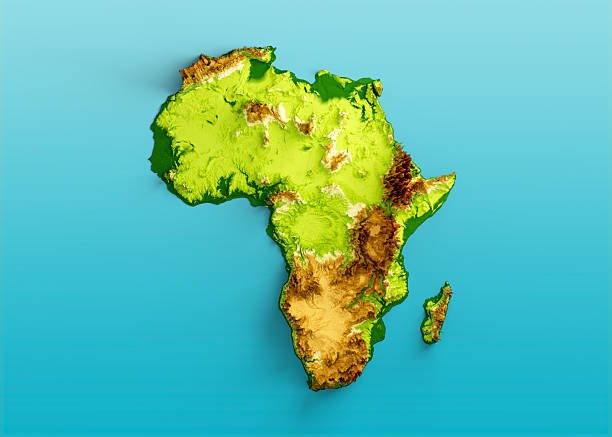
South Sudan is widely recognized as the country in Africa which is the world’s youngest independent state, having officially gained its sovereignty on July 9, 2011. This historic milestone was achieved after a peaceful referendum where the citizens of the southern region voted overwhelmingly to secede from the Republic of Sudan following decades of intense conflict. As the 193rd member of the United Nations and the 54th member of the African Union, it represents the most recent successful movement for national self-determination on the globe.
The emergence of a new nation is a rare and complex phenomenon in modern geopolitics, requiring years of negotiation and international recognition. Understanding the history of South Sudan and other recently formed nations provides essential insight into the evolving political map of the African continent.
These are the Countries In Africa That are the World's Youngest Independent State
While South Sudan holds the record for being the most recent, several other nations on the continent have also achieved independence in the relatively recent past. These African countries that are the world's youngest independent state in a chronological sense highlight the shift from colonial rule and regional federations to sovereign statehood. Each country’s path to independence involved unique diplomatic, legal, and sometimes military struggles that redefined their borders and national identities. Below is a detailed exploration of the nations that have most recently joined the community of sovereign states in Africa, starting with the very youngest.
1. South Sudan (2011)
South Sudan stands at the top of the list as the definitive African country which is the world's youngest independent state, having broken away from Sudan in 2011. The birth of this nation was the culmination of the Comprehensive Peace Agreement signed in 2005, which ended one of the longest civil wars in African history. In January 2011, a week-long referendum was held to determine the future of the region, resulting in an incredible 98.83 percent of voters choosing independence. The new state inherited a territory rich in natural resources, particularly oil, but faced the massive challenge of building a national infrastructure from the ground up. Despite the initial global celebration, the country has navigated difficult internal political dynamics as it strives to establish a lasting peace and a functional economy. Its capital, Juba, has seen rapid growth and change since independence, serving as the administrative heart of this fledgling republic. The international community continues to monitor its progress, as South Sudan remains a symbol of the aspirations and challenges inherent in creating a new sovereign entity in the 21st century.
2. Eritrea (1993)
Eritrea is another significant country in Africa the world's youngest independent state contender, having gained its independence from Ethiopia in May 1993. Before this, Eritrea had been federated with and then annexed by Ethiopia, leading to a brutal thirty-year war of independence that only ended in 1991 when the Eritrean People's Liberation Front captured the capital, Asmara. Following a UN-monitored referendum in April 1993, in which over 99 percent of the population voted for sovereignty, Eritrea was officially recognized as an independent state. The nation occupies a strategic position along the Red Sea, which has historically made it a crossroads for trade and cultural exchange between Africa and the Middle East. Its independence was a major shift in the Horn of Africa, as it left Ethiopia landlocked and redefined regional security dynamics. Today, Eritrea maintains a unique social and political structure, focusing heavily on national service and self-reliance as it carves out its place in the world. The architectural beauty of Asmara, which is a UNESCO World Heritage site, remains a point of national pride and a reminder of the country’s diverse colonial and independent history.
3. Namibia (1990)
Namibia officially became an independent nation on March 21, 1990, ending years of occupation by South Africa under the apartheid system. It is one of the countries in Africa that are the world's youngest independent state, having transitioned to sovereignty through a long-fought liberation struggle led by the South West Africa People's Organization (SWAPO). The process was heavily supported by the United Nations, which oversaw the implementation of Resolution 435, leading to the country’s first democratic elections in 1989. Namibia’s independence was a landmark event that signaled the beginning of the end for minority rule in Southern Africa. The country possesses a vast and dramatic landscape, including the Namib Desert and the Skeleton Coast, which are now major hubs for international tourism. Since independence, Namibia has been praised for its political stability and its commitment to environmental conservation, often being cited as a success story for post-colonial governance. The peaceful transition of power and the focus on national reconciliation have allowed the country to build a diverse and resilient economy based on mining, agriculture, and tourism.
4. Zimbabwe (1980)
Zimbabwe is a prominent African country which is the world's youngest independent state relative to the major wave of decolonization that swept the continent in the 1960s. After a long and difficult bush war against the minority government of Rhodesia, the country achieved recognized independence on April 18, 1980, following the Lancaster House Agreement. This transition allowed for the first truly democratic elections, which brought Robert Mugabe to power and ended decades of international isolation. The independence of Zimbabwe was particularly significant as it was one of the last major colonies in Africa to achieve majority rule through a combination of armed struggle and high-level diplomacy. The nation was once known as the breadbasket of Africa due to its highly productive agricultural sector and its wealth of mineral resources, including gold and tobacco. While the country has faced significant economic and political headwinds in recent decades, the spirit of its independence day remains a vital part of its national consciousness. Zimbabwe’s history serves as a deep study in the complexities of land reform and the long-term effects of colonial legacies on modern governance.
5. Djibouti (1977)
Djibouti gained its independence from France on June 27, 1977, making it one of the more recent additions to the list of African countries that are the world's youngest independent state. Formerly known as French Somaliland and then the Territory of the Afars and the Issas, the small nation is located in a vital strategic position at the entrance to the Red Sea. Its independence was the result of multiple referendums and negotiations, as the local population sought to determine their own destiny apart from colonial administration. Despite its small size and arid climate, Djibouti has leveraged its geography to become a global hub for maritime trade and international military bases. It serves as the primary gateway for landlocked Ethiopia, providing essential port services that drive the regional economy. The nation is a melting pot of Somali and Afar cultures, and its stability in a volatile region has made it an essential partner for global security efforts. Djibouti’s journey since 1977 demonstrates how a small nation can achieve outsized influence on the global stage through strategic diplomacy and infrastructure development.
6. Seychelles (1976)
The Seychelles archipelago became an independent republic within the Commonwealth on June 29, 1976, after being a British colony since the early 19th century. As a country in Africa the world's youngest independent state, it represents the successful decolonization of the Indian Ocean islands. The transition was peaceful and followed years of constitutional conferences in London, where political leaders negotiated the terms of their sovereignty. Shortly after independence, the country experienced a period of political upheaval, but it has since emerged as one of Africa’s most prosperous and stable nations. Seychelles is famous for its high standard of living and its pristine environment, with over 50 percent of its land area dedicated to nature reserves. The economy is heavily reliant on high-end tourism and tuna fishing, which have allowed the nation to achieve a high Human Development Index score. Seychelles also plays a leading role in the "Blue Economy" movement, advocating for the sustainable use of ocean resources. Its independence allowed the island nation to protect its unique biodiversity while building a modern, service-oriented society.
7. Angola (1975)
Angola’s independence from Portugal on November 11, 1975, marked a turning point for countries in Africa that are the world's youngest independent state in the Lusophone world. The collapse of the Estado Novo regime in Portugal in 1974 paved the way for the Alvor Agreement, which was supposed to lead to a peaceful transition to independence. However, the country immediately plunged into a complex civil war that lasted for nearly three decades, involving various liberation movements and Cold War superpowers. Despite the early turmoil, the 1975 independence date remains the foundation of Angolan sovereignty and is celebrated as a victory over centuries of colonial exploitation. Angola is now one of the continent’s leading oil and diamond producers, using its wealth to rebuild its infrastructure and expand its influence in Southern Africa. The capital, Luanda, has transformed into a major business hub, reflecting the nation's aspirations for growth and development. Angola’s story is a testament to the resilience of a people who fought multiple wars to secure and maintain their independence.
8. Mozambique (1975)
Mozambique is a significant African country which is the world's youngest independent state among the nations that gained freedom from Portuguese rule in 1975. Independence was officially declared on June 25, 1975, after a ten-year armed struggle led by the Mozambique Liberation Front, also known as FRELIMO. The sudden withdrawal of the Portuguese administration left the country with a massive shortage of skilled professionals, which was followed by a long and destructive civil war. However, since the peace agreement in 1992, Mozambique has seen periods of rapid economic growth and has become a major destination for foreign investment in the energy sector. The country possesses a long and beautiful coastline along the Indian Ocean, which is a major asset for trade and tourism. Its culture is a vibrant blend of indigenous traditions and Portuguese influences, particularly evident in its music and cuisine. Mozambique’s independence allowed it to reclaim its natural resources and work toward a future defined by regional cooperation and economic diversification.
9. Cape Verde (1975)
Cape Verde, or Cabo Verde, achieved its independence from Portugal on July 5, 1975, making it a key member of the African countries that are the world's youngest independent state in the Atlantic region. The independence movement was closely tied to the struggle in Guinea-Bissau, led by the African Party for the Independence of Guinea and Cape Verde. Unlike many of its neighbors, Cape Verde has enjoyed remarkable political stability and has become a model of democratic governance in Africa since its transition to a multi-party system in 1991. The islands were uninhabited until the Portuguese arrived in the 15th century, and the population today is a unique creole mix of African and European heritage. With limited natural resources and a dry climate, Cape Verde has successfully built an economy based on services, tourism, and remittances from its large diaspora. The nation is highly respected for its social policies and its efforts to mitigate the impacts of climate change on its fragile island ecosystem. Its independence has allowed Cape Verde to develop a distinct national identity and achieve significant progress in education and healthcare.
10. Comoros (1975)
The Comoros islands declared their independence from France on July 6, 1975, placing them in the final spot of this list of countries in Africa that are the world's youngest independent state from the mid-70s era. The declaration was unilateral, as the leaders of three of the four islands in the archipelago decided to move forward without a formal agreement for the entire territory. This led to a unique situation where one island, Mayotte, remained under French administration, a situation that continues to be a subject of diplomatic discussion. Comoros has experienced numerous political shifts and coups since independence, but it has recently stabilized and focused on regional integration. The islands are known as the "Perfume Isles" because of their production of ylang-ylang, vanilla, and cloves. The culture is a fascinating mix of Arab, African, and French influences, with a strong tradition of maritime trade. Independence for Comoros was a bold step toward self-governance in a complex colonial environment, and the nation continues to work toward economic sustainability and political unity.
Reasons Why These Countries Are the World's Youngest Independent State in Africa
1. Prolonged Liberation Struggles: Many of the nations considered a country in Africa the world's youngest independent state achieved their status only after decades of armed resistance. For example, the people of Eritrea and South Sudan fought for generations against central governments that they felt did not represent their interests. These long wars meant that independence was delayed compared to nations that gained freedom during the peaceful transitions of the 1960s. The intensity of these struggles often forged a strong national identity, but also left the new states with the difficult task of healing from long-term conflict.
2. Failures of Regional Federations: Some African countries that are the world's youngest independent state were originally part of larger federations or unions created during the colonial era. Eritrea was federated with Ethiopia, and South Sudan was part of a unified Sudan, but these arrangements often led to the marginalization of specific groups. When these federations failed to provide equal rights and opportunities, secessionist movements gained strength. The ultimate result was the breakup of these larger entities and the creation of new, more ethnically or regionally cohesive sovereign states.
3. Late Decolonization of Certain Empires: The timing of a country in Africa which is the world's youngest independent state gaining freedom often depended on which European power was in control. While the British and French granted independence to most of their colonies in the 1960s, the Portuguese Empire held on to its territories until the mid-1970s. This delay was primarily due to the domestic policies of the Portuguese government at the time, which viewed its colonies as integral provinces. It took a revolution in the home country to finally trigger the decolonization of nations like Angola, Mozambique, and Cape Verde.
4. International Diplomatic Mediation: The creation of a country in Africa the world's youngest independent state like Namibia was heavily influenced by international law and the role of the United Nations. Namibia was a unique case where the international community did not recognize South Africa’s mandate to rule the territory, leading to decades of diplomatic pressure. The transition was finally achieved through a UN-supervised process that ensured the legitimacy of the new government in the eyes of the world. This involvement showed that the path to independence can be a global effort involving human rights and international standards.
5. The Use of Modern Referendums: A common characteristic among African countries that are the world's youngest independent state is the use of a democratic vote to finalize their sovereignty. Both Eritrea and South Sudan used referendums to demonstrate to the world that the vast majority of their populations desired independence. This method provides a powerful legal and moral mandate for a new state, making it harder for the parent country or the international community to deny recognition. These referendums were monitored by thousands of international observers to ensure they reflected the true will of the people.
6. Shifts in Post-Cold War Geopolitics: The end of the Cold War in the early 1990s created a new political environment that allowed for the birth of a country in Africa which is the world's youngest independent state such as Eritrea. During the Cold War, many border disputes were frozen or suppressed by superpowers who wanted to maintain regional stability. When the global order shifted, these local grievances resurfaced, and the international community became more open to the idea of redrawing borders in the interest of long-term peace. This shift provided the necessary diplomatic space for new nations to be recognized and supported as they entered the world stage.
Conclusion
In conclusion, South Sudan remains the primary country in Africa which is the world’s youngest independent state, representing the latest chapter in the continent’s long history of self-determination. The journey to sovereignty for this nation, along with others like Eritrea and Namibia, highlights the immense courage and persistence required to build a new country. While these young states often face significant challenges in infrastructure, governance, and economic stability, their independence is a vital symbol of national identity and freedom. As the global political landscape continues to evolve, the stories of these recently formed nations remind us that the map of the world is never truly finished. The strength of these youngest states lies in their people's commitment to creating a future that is entirely their own.
Enjoyed this read?
Share it with your friends and colleagues.