How African Are African Americans

BSC Insights Admin
October 27, 2026
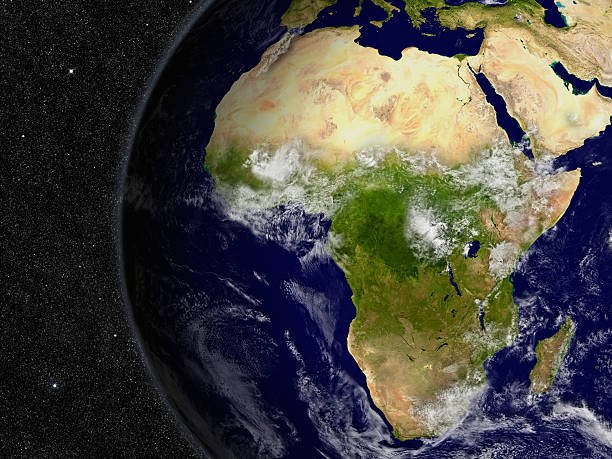
The question, "How African are African Americans?" delves into a rich and complex tapestry of history, genetics, and culture, revealing that African Americans possess profound, undeniable connections to the African continent, interwoven with a distinct identity forged in America. While the transatlantic slave trade severed direct ties to specific regions and cultures, the legacy of Africa endures strongly in their genetic makeup, traditions, and the continuous journey of cultural re-discovery. This article explores the multifaceted ways African heritage manifests in African American life, examining ancestral roots, cultural retentions, and the ongoing evolution of identity.
The Genesis of a Dual Heritage: From Africa to America
The journey of African Americans began not in America, but across the Atlantic, in the diverse nations and empires of West and Central Africa. Millions of Africans, representing myriad ethnic groups, languages, and spiritual traditions, were forcibly brought to the Americas between the 16th and 19th centuries. This brutal displacement, known as the transatlantic slave trade, aimed to erase their African identities and cultures, yet it inadvertently led to the creation of a resilient and unique African American identity, deeply rooted in both continents.
Despite the horrors of slavery, which included the systematic destruction of family units and cultural practices, enslaved Africans adapted and synthesized their disparate traditions. They developed new forms of communication, community, and resistance, laying the foundation for a distinct African American culture. This historical context is crucial for understanding the enduring African American heritage and the persistence of ancestral echoes in contemporary life.
Genetic Footprints: Unpacking African American Ancestry
Modern science, particularly advancements in DNA testing, has provided compelling evidence of the strong genetic links between African Americans and their ancestral homelands. These tests reveal that the vast majority of African Americans trace a significant portion of their lineage back to various regions of Africa.
Prevalence of African Ancestry
- West and Central African Dominance: Studies consistently show that the primary genetic origins for African Americans lie in West Africa (e.g., modern-day Nigeria, Ghana, Senegal, Sierra Leone) and West Central Africa (e.g., modern-day Angola, Congo). This aligns directly with historical records of the slave trade routes.
- Admixture with Other Populations: While overwhelmingly African, the genetic profiles of many African Americans also include European (typically 15-20% on average, though highly variable) and, to a lesser extent, Indigenous American ancestry. This admixture reflects complex historical interactions during slavery and post-slavery periods.
- Tracing Specific Ethnic Roots: For many, DNA results offer the first tangible connection to specific African ethnic groups, such as the Yoruba, Igbo, Mende, or Bantu-speaking peoples, fostering a profound sense of reconnection to their ancestral roots Africa.
Understanding DNA African ancestry provides a scientific basis for affirming the African identity of African Americans, turning historical generalizations into personal, quantifiable connections.
Cultural Threads: African Retentions in American Life
Beyond genetics, the most vibrant and tangible evidence of how African are African Americans lies in the rich tapestry of cultural retentions. Enslaved Africans did not arrive as a blank slate; they carried with them traditions, knowledge, and creative expressions that, despite immense pressure, survived and evolved in the American context.
Cuisine and Culinary Traditions
Soul food is a prime example of African culinary ingenuity adapted to American resources. Staples like black-eyed peas, okra, yams, and rice dishes (e.g., jollof rice variations) have clear origins in West African cooking. The cooking techniques, use of specific spices, and emphasis on communal eating also reflect African cultural ties. The Gullah Geechee culture, found along the Lowcountry coast of the southeastern U.S., provides one of the most direct and well-preserved examples of African foodways and language surviving intact.
Music and Rhythmic Heritage
The profound influence of African musical traditions on American music is undeniable. From the spirituals sung by enslaved people, which incorporated call-and-response patterns and complex rhythms, to the birth of the blues, jazz, gospel, R&B, and hip-hop, the rhythmic complexity, improvisation, and vocal stylings are deeply rooted in African forms. The polyrhythms, syncopation, and communal nature of music-making found in Africa continue to resonate in African American music origins.
Language and Oral Traditions
While English became the dominant language, Africanisms in language persist. Words like "okra," "tote," and "gumbo" have African origins. The grammatical structures and expressive qualities of African American Vernacular English (AAVE) show influences from West African languages. More profoundly, the rich tradition of storytelling, folklore, proverbs, and oral history in African American communities mirrors similar practices prevalent across the African continent.
Spirituality and Religious Practices
Christianity became widespread among enslaved Africans, but it often fused with existing African spiritual beliefs, creating unique syncretic practices. Elements like ecstatic worship, the importance of the spirit world, ancestor veneration, and the integration of music and dance into religious services reflect a continuity of African spiritual forms. African retention is also visible in certain non-Christian spiritual practices.
Family and Community Structures
Despite slavery's attempts to dismantle families, strong bonds of kinship and community resilience emerged. The concept of extended family, mutual aid societies, and the communal raising of children reflect African values of collective responsibility and solidarity, vital components of African American identity.
Forging a Unique Identity: Beyond Continental Divides
While the African roots are deep and undeniable, it is equally important to acknowledge that African Americans have, over centuries, forged a unique identity that is neither solely African nor solely American, but a powerful synthesis of both. This distinct Black identity emerged from the crucible of slavery, racial oppression, resistance, and the continuous struggle for freedom and equality within the United States.
Sociologist W.E.B. Du Bois famously described this experience as a "double consciousness," where African Americans constantly view themselves through the lens of being both American and Black. This dual perspective has shaped a culture rich in innovation, resilience, and unique artistic expression.
The Journey of Reconnection: Tracing Ancestry and Embracing Heritage
In recent decades, there has been a significant surge in interest among African Americans to actively reconnect with their African heritage. This movement is fueled by a desire to understand personal history, affirm identity, and bridge the gaps created by historical trauma.
Pathways to Reconnection
- DNA Ancestry Testing: The increasing accessibility and accuracy of DNA tests have empowered millions to discover their specific regions of origin in Africa, providing concrete links to their past.
- Genealogical Research: Dedicated individuals and organizations are making strides in tracing African American genealogy, painstakingly piecing together family histories often obscured by slavery records.
- Heritage Travel: Trips to African countries, particularly Ghana, Senegal, and Nigeria, have become popular "roots journeys," allowing African Americans to experience the culture, visit historical sites, and feel a tangible connection to the continent.
- Cultural Studies and Arts: Engaging with African history, languages (e.g., Swahili), literature, art, and music provides intellectual and emotional pathways for reconnecting with Africa.
- Pan-Africanism: The enduring philosophical and political movement of Pan-Africanism continues to foster solidarity and unity among people of African descent worldwide, reinforcing the idea of a shared heritage.
This active pursuit of African heritage demonstrates a profound desire to understand the entirety of their identity, embracing the richness of both their ancestral past and their American present.
Conclusion: A Legacy of Resilience and Reaffirmation
In conclusion, the question of how African are African Americans reveals a narrative of profound and enduring connection. African Americans are deeply African through their genetic makeup, the resilient echoes of cultural traditions that survived the Middle Passage and slavery, and a continuous, evolving spiritual and historical linkage to the continent. While centuries of life in America have forged a distinct and powerful identity, the African roots remain vibrant, contributing to a unique and rich heritage. It is a testament to the strength, adaptability, and cultural ingenuity of a people who, against all odds, maintained and continue to rediscover their ancestral spirit, proving that the African diaspora is not just a story of displacement, but also one of persistent heritage and powerful self-definition.
Enjoyed this read?
Share it with your friends and colleagues.