How Did African Americans Get To America

BSC Insights Admin
September 30, 2026
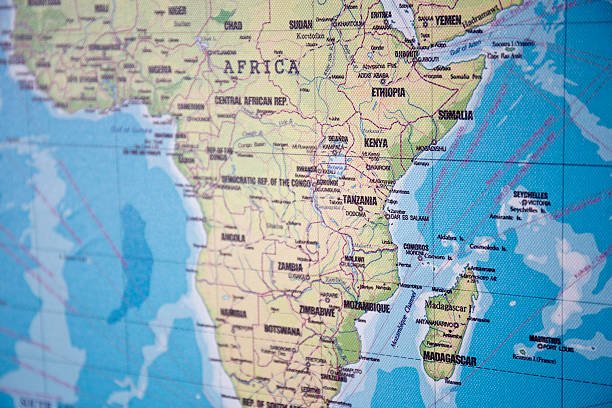
The arrival of African Americans in America is a deeply complex and often tragic narrative, predominantly rooted in the transatlantic slave trade. While a small number of free Africans arrived as explorers or indentured servants, the vast majority of Africans were forcibly brought to the Americas as enslaved people, marking the beginning of a profound and enduring chapter in American history. This involuntary journey, fraught with unimaginable suffering and injustice, laid the foundational elements of African American identity, culture, and their integral, though often unacknowledged, contributions to the nation's development.
The Horrific Journey: Transatlantic Slave Trade
The primary and most significant way African Americans arrived in America was through the brutal system known as the transatlantic slave trade. Spanning from the 16th to the 19th centuries, this forced migration violently uprooted millions of Africans from their homelands and transported them across the Atlantic Ocean, fundamentally altering the demographic and social fabric of the Americas.
Origins in West and Central Africa
The origins of the transatlantic slave trade lie in the burgeoning European demand for labor to cultivate cash crops like sugar, tobacco, and cotton in their newly colonized territories in the Americas. European traders, in collaboration with some African rulers and merchants, began raiding communities or exchanging goods for enslaved individuals. These individuals were predominantly captured from diverse ethnic groups across West and Central Africa, including regions that are now modern-day Angola, Congo, Ghana, Nigeria, and Senegal. They were farmers, artisans, spiritual leaders, and members of complex societies, suddenly torn from their families and cultural heritage.
The Middle Passage: Brutality and Dehumanization
The sea voyage across the Atlantic, known as the Middle Passage, represents one of the darkest chapters in human history. Enslaved Africans were crammed into the holds of ships, chained together in unsanitary and overcrowded conditions. The journey, which could last weeks or even months, was characterized by extreme cruelty, disease, starvation, and rampant death. It is estimated that millions perished during the Middle Passage, their bodies often thrown overboard. Survivors arrived in the Americas traumatized, dehumanized, and stripped of their names, languages, and identities, initiating a process of forced assimilation into a system designed to exploit their labor.
Arrival and Enslavement in the Americas
Upon arrival, primarily in the Caribbean and South America initially, and later extending to North America, enslaved Africans were subjected to brutal slave auctions. Families and communities formed during the Middle Passage were often torn apart as individuals were sold to different owners. They were then forced into relentless labor, mainly on plantations, under conditions of extreme violence and coercion. This system of chattel slavery meant that enslaved people and their descendants were considered property, not human beings, for generations.
Beyond Chains: Early Free Africans in America
While the overwhelming narrative of African arrival is one of enslavement, it is also important to acknowledge that a small but significant number of Africans came to America under different, albeit often precarious, circumstances. These early arrivals challenge the monolithic perception of African Americans' beginnings.
Explorers and Early Settlers
Some Africans arrived in the Americas as free individuals alongside European explorers and colonists. For instance, Estevanico, an enslaved Moor, was one of the first non-Native Americans to explore the American Southwest in the 1500s. Other African individuals served as sailors, navigators, and laborers on early European voyages to the New World. Their presence predates the formal establishment of chattel slavery in many North American colonies, showcasing an earlier, more diverse African presence.
Indentured Servitude and Shifting Status
In the early colonial period, particularly in the 17th century, some Africans arrived in British North America as indentured servants. This status, while exploitative, offered the possibility of eventual freedom after a period of service, similar to European indentured servants. Records from colonial Virginia, for example, show instances of Africans completing their indentures, acquiring land, and even owning servants or slaves themselves. However, this period of ambiguity was short-lived. As the demand for permanent labor grew and racial ideologies hardened, laws were progressively enacted to formalize and perpetualize the enslavement of Africans and their descendants, transforming indentured servitude into inherited, lifelong chattel slavery based on race.
The Establishment of Chattel Slavery
The transition from a system that included indentured servitude to one of hereditary racial slavery was a pivotal moment in African American history. This transformation was driven by economic imperatives and reinforced by legal and social structures designed to maintain power and control.
Economic Drivers and Plantation Systems
The profitability of labor-intensive crops like tobacco in the Chesapeake colonies, rice and indigo in the Carolina lowcountry, and later cotton across the Deep South, fueled an insatiable demand for a permanent, exploitable workforce. Enslaved Africans were deemed the ideal labor source due to their perceived immunity to certain European diseases, their agricultural skills, and the legal framework that allowed for their lifelong bondage and the enslavement of their offspring. This economic engine established the vast plantation systems that dominated the Southern economy and relied entirely on the coerced labor of enslaved Africans and African Americans.
Laws and Codes Solidifying Enslavement
Colonial legislatures systematically stripped Africans and their descendants of their rights, codifying their status as property. Landmark laws, often referred to as 'slave codes,' were passed to regulate every aspect of an enslaved person's life. These laws:
- Defined children born to an enslaved mother as enslaved, regardless of the father's status (partus sequitur ventrem).
- Prohibited enslaved people from owning property, testifying against white people, or gathering without white supervision.
- Made it illegal to teach enslaved people to read or write.
- Sanctioned brutal punishments and made it nearly impossible for enslaved individuals to gain freedom.
These legal mechanisms ensured the perpetuation of slavery across generations and cemented a racial hierarchy that positioned white Europeans at the top and African descendants at the bottom, profoundly shaping the African American journey to America and their subsequent history.
Defiance and Survival: The Spirit of Resistance
Despite the overwhelming oppression of slavery, Africans and African Americans consistently resisted their bondage. Their acts of defiance, both overt and subtle, underscore their agency, resilience, and unwavering spirit in the face of unimaginable cruelty. This resistance was a crucial part of the history of African Americans in America.
Daily Acts of Resistance
Resistance often took the form of everyday acts that challenged the slave system. These included:
- Feigning illness or ignorance: Slowing down work, breaking tools, or pretending not to understand instructions to disrupt productivity.
- Maintaining cultural practices: Secretly continuing African traditions, languages, spiritual beliefs, and family structures, which were vital for preserving identity.
- Escape attempts: Fleeing plantations, often with the hope of reaching free states or Canada, aided by networks like the Underground Railroad.
- Sabotage: Destroying crops or equipment as a form of protest.
Organized Revolts and Escape Routes
More overt forms of resistance included organized revolts and insurrections. Though often brutally suppressed, figures like Nat Turner, Gabriel Prosser, and Denmark Vesey led significant uprisings that struck fear into slaveholders and inspired hope among the enslaved. The Underground Railroad, a clandestine network of abolitionists and safe houses, helped thousands of enslaved people escape to freedom, with courageous conductors like Harriet Tubman risking their lives repeatedly.
Preserving Culture and Identity
Perhaps one of the most profound forms of resistance was the preservation and adaptation of African culture. Despite attempts to strip them of their heritage, enslaved people forged a distinct African American culture. This included new forms of:
- Music: Spirituals, work songs, and later gospel and blues, which conveyed messages of hope, sorrow, and defiance.
- Storytelling: Oral traditions that kept history and wisdom alive.
- Cuisine: Blending African culinary practices with available resources.
- Family and kinship networks: Building strong bonds to counteract the constant threat of separation.
These cultural expressions were not just means of survival but also powerful assertions of identity and humanity.
From Emancipation to Enduring Legacy
The abolition of slavery after the Civil War marked a profound turning point, but the struggles for equality and true freedom continued for generations. The legacy of how African Americans got to America continues to shape the nation.
Reconstruction and its Challenges
The Reconstruction era (1865-1877) promised African Americans citizenship rights, including the right to vote and hold office. During this period, many formerly enslaved people actively participated in political life, established schools, and sought to reunite families. However, the promise of Reconstruction was ultimately betrayed. A violent backlash from white supremacist groups, coupled with federal withdrawal, led to the implementation of Jim Crow laws, which enforced racial segregation and disenfranchisement for nearly another century.
The Great Migration and Northern Exodus
From the early 20th century through the 1970s, millions of African Americans participated in the Great Migration, moving from the rural South to urban centers in the North, Midwest, and West. They sought to escape racial violence, economic exploitation, and limited opportunities in the South, looking for better employment and social conditions. This migration profoundly reshaped American cities, fostered new cultural movements like the Harlem Renaissance, and contributed significantly to the nation's industrial development.
Understanding the African American Identity Today
The path African Americans took to America, marked by forced migration, enslavement, resistance, and the continuous fight for civil rights, has forged a unique and powerful identity. Today, African Americans are a vibrant and diverse community, contributing immeasurably to every facet of American life, including:
- Arts and Culture: Shaping music, literature, film, and visual arts globally.
- Science and Technology: Pioneering advancements in various fields.
- Politics and Activism: Leading movements for social justice and equality.
- Sports: Dominating many professional sports.
Their heritage, rooted in the resilience of those who endured the Middle Passage and slavery, is a testament to the strength of the human spirit.
Conclusion
The question of how African Americans got to America is answered primarily by the devastating history of the transatlantic slave trade, a forced migration that brought millions from West and Central Africa in chains. Yet, their arrival also includes the stories of early free Africans, who navigated a nascent colonial society. This dual narrative underscores the deep injustice and resilience embedded in the African American experience. From the horrors of the Middle Passage and the dehumanization of chattel slavery to the unwavering spirit of resistance and the enduring fight for civil rights, the journey of African Americans has profoundly shaped the United States. Understanding this history is crucial not only for acknowledging past wrongs but also for appreciating the invaluable contributions and ongoing struggles of African Americans in building and defining the nation.
Enjoyed this read?
Share it with your friends and colleagues.