Does African Black Soap Expire

BSC Insights Admin
September 30, 2026
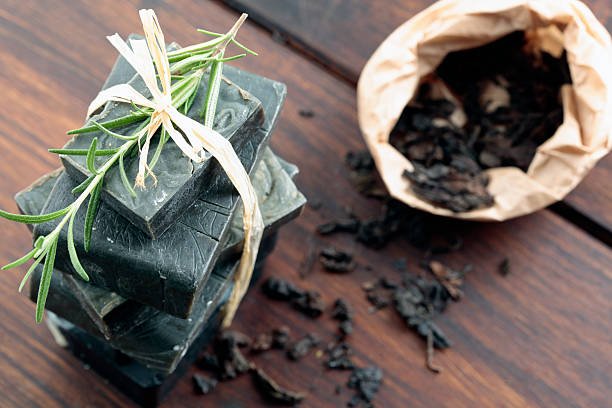
Does African Black Soap expire? Yes, African Black Soap, like most natural skincare products, can expire, although its shelf life is generally quite long, typically ranging from one to three years when stored correctly. While it may not become dangerous in the same way expired food does, its effectiveness, texture, and scent can degrade over time, diminishing its benefits for your skin.
The Truth About African Black Soap's Shelf Life
Authentic African Black Soap, often known as Ose Dudu among the Yoruba people, is a traditional cleansing agent made from plant-based ingredients. Unlike many commercial soaps that contain synthetic preservatives, traditional African Black Soap relies on the natural properties of its components. Understanding its origins and composition is key to grasping its shelf life.
What is African Black Soap Made Of?
The primary ingredients in traditional African Black Soap include:
- Plantain Skins: Often sun-dried and roasted to ash, providing essential minerals and lye for saponification.
- Cocoa Pods: Also roasted to ash, contributing to the soap's dark color and mineral content.
- Palm Kernel Oil: A base oil rich in fatty acids.
- Coconut Oil: Adds lather and moisturizing properties.
- Shea Butter: Known for its exceptional moisturizing and skin-healing benefits.
- Water: To dissolve the ash and facilitate the saponification process.
Some variations might include other natural oils like neem oil or honey, which can slightly influence the overall stability of the product. The absence of synthetic preservatives means that while the soap is pure and gentle, it is also more susceptible to environmental factors over extended periods.
Factors Influencing African Black Soap Shelf Life
Several critical elements determine how long your African Black Soap will last. Being aware of these can help you maximize its longevity.
Ingredients Matter
The specific blend and quality of ingredients play a significant role. Soaps with a higher content of certain oils or those made with less refined ingredients might have a shorter shelf life than those with more stable fats. For instance, cold-pressed, unrefined oils are fantastic for skin but can sometimes be more prone to rancidity than highly refined counterparts. However, traditional black soap's alkalinity usually provides a good level of preservation.
Storage Conditions
How you store your African Black Soap is paramount. Exposure to air, moisture, light, and fluctuating temperatures are the biggest culprits in accelerating spoilage. A poorly stored bar of soap will degrade much faster than one kept in ideal conditions.
Handling and Contamination
Every time you handle your soap with wet or unclean hands, you introduce moisture and potentially bacteria, which can hasten its deterioration. This is particularly true for raw, unprocessed African Black Soap, which is soft and easily absorbs external elements.
Signs Your African Black Soap Might Be Past Its Prime
Knowing how to tell if African Black Soap is bad is crucial. While it might not grow visible mold immediately, there are tell-tale signs that its quality has diminished.
Changes in Texture and Color
- Hardening: Fresh African Black Soap is typically soft and pliable. If it becomes excessively hard, crumbly, or brittle, it could be a sign of dehydration and age.
- Discoloration: While African Black Soap naturally varies in color from light brown to deep black, significant changes like unusual fading, a greenish tint, or the appearance of white powdery spots (ash blooming or soda ash, which is harmless but indicates dryness) can indicate it's aging.
- Slimy or Mushy Texture: If your soap feels overly slimy, excessively soft, or starts to melt into a gooey mess when not in use, it's likely absorbing too much moisture and breaking down. This is one of the most common signs of expired black soap.
Unpleasant Odor
Fresh African Black Soap has a mild, earthy, sometimes slightly smoky or natural scent. If you notice a strong, rancid, sour, or 'old oil' smell, it means the oils in the soap have gone bad. This rancidity is often referred to as 'DOA' (dead on arrival) or 'DOS' (dead on shelf) and indicates the soap is no longer suitable for use.
Mold Growth
Although less common if stored properly, African Black Soap can develop mold, especially if kept in a constantly damp environment or exposed to excessive humidity. Mold typically appears as fuzzy green, white, or black spots. If you see mold, discard the soap immediately.
Best Practices for Storing African Black Soap
Proper storage is the best defense against premature spoilage. Here are some expert tips on how to store African Black Soap to ensure its longevity.
Airtight Containers
For unprocessed, raw African Black Soap, storing it in an airtight container is essential. This protects it from absorbing moisture from the air, which can make it mushy, and prevents dust or other contaminants from settling on it. A Ziploc bag, a plastic container with a tight lid, or even a glass jar works well.
Dry Environment
Always keep your African Black Soap in a dry place, away from direct sources of water or humidity, especially between uses. Avoid leaving it directly in the shower or on a constantly wet soap dish. A slotted soap dish that allows water to drain away is ideal, and ensure it's in a well-ventilated area.
Avoiding Direct Sunlight and Extreme Temperatures
Heat and direct sunlight can cause the oils in the soap to degrade faster, leading to rancidity. They can also dry out the soap excessively or melt it. Store your black soap in a cool, dark place, such as a cabinet or pantry, to maintain its integrity.
Cutting into Smaller Portions
Raw African Black Soap often comes in large chunks. Consider cutting it into smaller, more manageable pieces. Store the unused portions in an airtight container as recommended above, and only expose the piece you are currently using. This minimizes the overall soap's exposure to air and moisture, significantly extending its shelf life.
Using a Soap Saver or Drying Pad
In the shower or at the sink, place your African Black Soap on a soap saver pad made of loofah, wood, or silicone. These pads lift the soap, allowing air to circulate around it and preventing it from sitting in standing water, which causes it to become soft and mushy quickly.
Extending the Life of Your Black Soap
Beyond basic storage, there are a few additional tricks to help your natural African Black Soap last even longer.
Freezing for Longevity
If you purchase a very large quantity of African Black Soap or want to store it for an extended period, freezing is an excellent option. Wrap the soap tightly in plastic wrap, then place it in a freezer-safe airtight container or bag. When you're ready to use it, simply thaw it at room temperature. This can help preserve its freshness for well over a year, significantly extending its African Black Soap shelf life.
Making Liquid African Black Soap
Many users opt to dilute their raw African Black Soap into a liquid form. This not only makes it easier to use (especially for hair washing or body wash) but can also help control its texture and extend its use, provided you store the liquid soap correctly. Use distilled water and a clean, sterilized pump bottle. Making smaller batches at a time can prevent spoilage of the entire liquid supply.
Why African Black Soap is So Special
The popularity of African Black Soap stems from its incredible benefits, which makes preserving its quality even more important. It is known for its ability to:
- Cleanse Gently: Effectively removes dirt, oil, and makeup without stripping the skin's natural moisture.
- Soothe Irritation: Many users find it helpful for conditions like eczema, acne, and psoriasis due to its gentle and anti-inflammatory properties.
- Improve Skin Tone: Regular use can help to fade hyperpigmentation, dark spots, and acne scars, promoting a more even complexion.
- Natural Exfoliation: The raw, unprocessed nature provides a very mild exfoliation due to the fine particles of plantain and cocoa pod ash.
These benefits are most potent when the soap is fresh and hasn't degraded due to age or improper storage. Therefore, treating your authentic African Black Soap with care ensures you reap its full potential.
What to Do with Expired African Black Soap
If your African Black Soap has clearly expired – it smells rancid, has mold, or is excessively slimy – it's best to discard it, especially if you plan to use it on your skin. Using degraded soap can potentially irritate your skin or, in the case of mold, introduce unwanted microbes. However, if it's just a bit hard or slightly discolored but doesn't have a bad smell or mold, you might still use it for non-skin purposes, such as cleaning household items or washing gardening tools, but exercise caution.
Conclusion
In summary, yes, African Black Soap can expire, typically having a shelf life of one to three years. While it may not pose a severe health risk like expired food, its efficacy and pleasant qualities will diminish over time. By understanding its natural composition, recognizing the signs of spoilage such as changes in texture, odor, or the presence of mold, and implementing proper storage techniques like using airtight containers, keeping it dry, and avoiding extreme temperatures, you can significantly extend the life of your African Black Soap. Treating this traditional product with care ensures you continue to enjoy its profound benefits for your skin for as long as possible.
Enjoyed this read?
Share it with your friends and colleagues.