Which Country Is Currently Undergoing Civil War In Africa

BSC Insights Admin
September 30, 2026
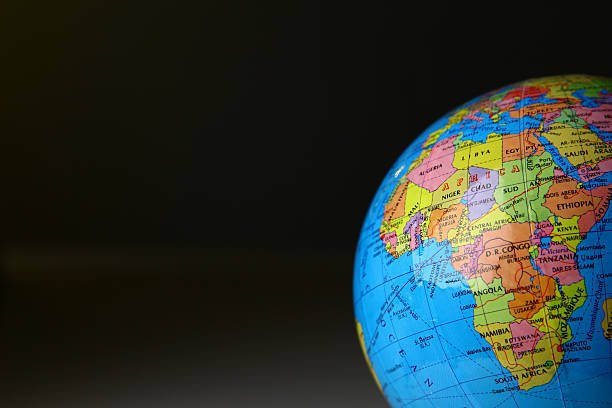
Africa, a continent of immense diversity and resilience, unfortunately faces several complex and evolving conflicts that can be broadly categorized as civil wars or significant internal armed conflicts. While the precise definition of 'civil war' can vary, nations like Sudan, the Democratic Republic of Congo (DRC), Ethiopia, and Somalia are among those experiencing major ongoing internal armed conflicts, often characterized by widespread violence, humanitarian crises, and a breakdown of central authority. This article delves into the current state of these conflicts, exploring their origins, humanitarian consequences, and the challenging path towards peace across the continent.
Understanding Civil War in Africa: A Complex Tapestry
Defining a civil war in Africa or anywhere else can be nuanced. Generally, it refers to a protracted armed conflict that occurs within the boundaries of a sovereign state between two or more organized groups, usually the state's government and one or more non-state armed groups. The conflict must involve a certain level of sustained combat and significant casualties to be classified as a civil war, distinguishing it from localized skirmishes or criminal violence. In Africa, these conflicts are often intertwined with issues of governance, resource control, ethnic grievances, and external interference, making them particularly intractable.
The continent's post-colonial history has seen numerous internal conflicts, many rooted in artificial borders, weak institutions, and intense competition for power and resources. Understanding these foundational issues is crucial for comprehending the dynamics of current African conflicts. The nature of these wars has also evolved, with many involving non-state actors, transnational extremist groups, and regional proxies, complicating peace efforts and humanitarian access.
Key African Nations Experiencing Significant Internal Armed Conflicts
While various forms of instability affect many African nations, some are currently experiencing large-scale internal armed conflicts that meet the criteria of a civil war or are on a similar scale of devastation. These nations represent critical humanitarian and security challenges that demand global attention and sustained efforts for resolution. Below, we explore some of the most prominent examples of civil unrest in Africa.
The Democratic Republic of Congo (DRC): A Protracted Crisis
The Democratic Republic of Congo (DRC) civil war, particularly in its eastern regions, represents one of Africa's most enduring and complex humanitarian crises. Rich in natural resources like cobalt, coltan, and diamonds, the DRC has been plagued by conflict for decades, drawing in regional actors and fueling numerous armed groups. The current resurgence of the M23 rebel group, alongside over 120 other non-state armed groups, has intensified violence, particularly in North Kivu province.
The conflict in eastern Congo is characterized by horrific human rights abuses, including mass killings, widespread sexual violence used as a weapon of war, and systematic displacement. Millions have been forced from their homes, making the DRC home to one of the largest populations of internally displaced persons (IDPs) globally. The humanitarian situation is dire, with limited access to food, water, and medical care, exacerbating existing vulnerabilities. Efforts by the Congolese government, supported by the UN peacekeeping mission (MONUSCO) and regional forces, continue to face immense challenges in stabilizing the region and protecting civilians from ongoing hostilities and exploitation.
Sudan: A Nation Divided by War
Sudan's civil war erupted violently in April 2023, pitting the Sudanese Armed Forces (SAF) led by General Abdel Fattah al-Burhan against the paramilitary Rapid Support Forces (RSF) commanded by General Mohamed Hamdan Dagalo (Hemedti). This conflict followed a power struggle that derailed a civilian-led transition government after the overthrow of long-time dictator Omar al-Bashir.
The fighting has devastated the capital Khartoum and spread to other parts of the country, most notably Darfur, which has experienced renewed ethnic violence reminiscent of the genocide two decades prior. Millions have been displaced both internally and across borders, creating one of the world's most rapidly unfolding humanitarian catastrophes. Reports of mass atrocities, sexual violence, and the deliberate targeting of civilians are rampant. The conflict has plunged Sudan into a deep humanitarian crisis, with severe food shortages and a collapsing healthcare system, threatening to destabilize the wider Horn of Africa region.
Ethiopia: Regional Tensions and Internal Strife
While the major conflict in the Tigray region officially ended with a peace agreement in November 2022, Ethiopia continues to grapple with significant internal armed conflicts and regional tensions that can resemble civil war dynamics. The fragile peace in Tigray remains challenging to implement, with ongoing humanitarian needs and security concerns.
Furthermore, internal armed conflicts persist in other regions, particularly Oromia and Amhara. In Oromia, the Oromo Liberation Army (OLA) continues to clash with federal forces. In Amhara, localized militias and federal forces have engaged in significant armed confrontations, leading to civilian casualties and displacement. These conflicts are driven by deep-seated ethnic grievances, competition for power and resources, and disputes over regional autonomy. The cumulative effect of these various internal conflicts presents significant challenges to Ethiopia's stability and national unity, further exacerbating the Horn of Africa conflicts and humanitarian concerns.
Somalia: Decades of Instability and Counter-Insurgency
Somalia's civil war has been a protracted struggle for statehood and stability since the early 1990s. While a federal government has been established, the country continues to contend with a powerful Islamist insurgency led by Al-Shabaab. This militant group controls significant rural territories and frequently launches deadly attacks in urban centers, including the capital Mogadishu.
The conflict against Al-Shabaab is compounded by clan-based rivalries, struggles between the federal government and regional states, and vulnerability to recurring droughts and famine. The presence of the African Union Transition Mission in Somalia (ATMIS), supporting Somali security forces, is crucial but faces immense challenges. Despite progress in some areas, Somalia remains a fragile state where significant portions of the population are at risk from conflict, displacement, and food insecurity, highlighting the complexities of achieving lasting peace amidst Somalia instability and extremist threats.
Other Notable Conflicts and Tensions Across Africa
Beyond these prominent examples, several other African nations experience significant internal armed conflicts, insurgencies, or periods of intense unrest that contribute to Africa's humanitarian crises and instability. These situations, while perhaps not always meeting the strict definition of a widespread "civil war," nonetheless represent severe challenges to peace and security.
- The Sahel Region (Mali, Burkina Faso, Niger): This vast region faces a rapidly deteriorating security situation driven by various jihadist groups linked to Al-Qaeda and ISIS. State fragility, military coups, and chronic underdevelopment have created a fertile ground for these groups to operate, causing widespread displacement and humanitarian suffering. The security crises in Mali, Burkina Faso, and Niger are interconnected, with violence spilling across borders.
- Central African Republic (CAR): The CAR has endured years of civil war and instability since 2013, with numerous armed groups controlling swathes of territory. Despite peace agreements and the presence of UN peacekeepers (MINUSCA), localized violence, human rights abuses, and a severe humanitarian crisis persist, often fueled by competition for resources and ethnic divisions.
- Nigeria: While not a single civil war, Nigeria faces multiple severe internal security challenges. The Boko Haram and Islamic State's West Africa Province (ISWAP) insurgency in the North-East continues to cause immense suffering and displacement. Additionally, pervasive banditry, kidnapping, and farmer-herder clashes across other regions lead to significant loss of life and instability, posing significant challenges to the country's unity.
- Mozambique: In its northern Cabo Delgado province, an Islamist insurgency, locally known as Al-Shabaab (unrelated to the Somali group), has caused widespread violence, displacement, and disruption of critical liquefied natural gas projects. Regional forces, including from Rwanda and SADC, are assisting the Mozambican government in counter-insurgency operations.
Underlying Causes and Drivers of African Conflicts
The reasons behind African conflicts are multifaceted and deeply rooted, often involving a combination of historical, political, economic, and social factors. Understanding these drivers is essential for developing effective strategies for peace and stability.
- Weak Governance and State Fragility: Many African nations struggle with weak state institutions, corruption, lack of rule of law, and limited capacity to deliver basic services. This creates a vacuum that armed groups often exploit and erodes public trust in the state.
- Resource Competition: The abundance of natural resources (minerals, oil, fertile land, water) can paradoxically fuel conflict rather than foster development. Competition over control and access to these resources often exacerbates tensions, particularly when benefits are not shared equitably.
- Ethnic and Regional Grievances: Historical injustices, real or perceived discrimination, and political manipulation of ethnic or regional identities frequently contribute to armed conflict. These divisions can be exploited by political elites to consolidate power or mobilize support.
- Poverty and Economic Inequality: High rates of poverty, unemployment (especially among youth), and significant economic disparities within countries can create fertile ground for recruitment into armed groups, offering a sense of purpose or economic opportunity where legitimate avenues are scarce.
- External Interference and Proxy Wars: Foreign interests, whether from regional powers or international actors, can sometimes exacerbate internal conflicts by supporting various factions, providing arms, or pursuing geopolitical agendas.
- Climate Change and Environmental Degradation: Increasing desertification, droughts, and floods can intensify competition over diminishing resources like arable land and water, leading to clashes, particularly between nomadic herders and settled farmers. This is a significant factor in regions like the Sahel.
- Legacy of Colonialism: Arbitrary borders drawn during the colonial era often grouped disparate ethnic groups or divided cohesive ones, creating inherent tensions that persist and sometimes erupt into violence.
Humanitarian Impact and Regional Implications
The human cost of ongoing civil wars in Africa is staggering. Millions of lives have been lost, and countless more have been displaced, creating some of the world's most severe humanitarian crises.
- Mass Displacement: Conflicts force vast populations to flee their homes, becoming internally displaced persons (IDPs) or refugees in neighboring countries. The DRC and Sudan, for instance, account for millions of displaced individuals, straining host communities and aid agencies.
- Food Insecurity and Famine: Warfare disrupts agriculture, trade routes, and humanitarian aid delivery, leading to severe food shortages and, in some cases, famine. Sudan, Somalia, and parts of the Sahel are currently facing alarming levels of food insecurity.
- Economic Devastation: Conflicts destroy infrastructure, halt economic activity, and deter investment, reversing development gains and perpetuating cycles of poverty.
- Healthcare Collapse: Health systems are often overwhelmed or destroyed, leaving populations vulnerable to preventable diseases and without access to critical medical care.
- Education Disruption: Schools are often closed or targeted, denying millions of children access to education, which has long-term consequences for societal development.
- Regional Instability: Conflicts rarely remain within national borders. They generate refugee flows, facilitate the spread of arms and extremist ideologies, and can draw in neighboring states, creating wider regional instability.
Pathways to Peace and Stability
Addressing the complex challenges of civil war in Africa requires a multi-pronged approach that goes beyond military interventions to tackle the root causes of conflict. Sustainable peace building efforts are crucial.
- Inclusive Governance and Rule of Law: Fostering transparent, accountable, and inclusive governance structures that respect human rights and ensure equitable resource distribution is fundamental. Strengthening judicial systems and combating corruption are also vital.
- Economic Development and Opportunity: Investing in education, job creation (especially for youth), and sustainable economic growth can reduce grievances and provide alternatives to armed groups.
- Dialogue and Reconciliation: Facilitating genuine dialogue among warring factions and promoting national reconciliation processes are essential for healing divisions and building trust.
- Security Sector Reform: Professionalizing national armies and police forces, ensuring they are accountable to civilian authority, and focusing on protecting citizens rather than acting as partisan forces.
- Regional Cooperation: African regional bodies (like the AU, ECOWAS, SADC) play a critical role in mediation, peacekeeping, and enforcing regional security frameworks.
- International Support: Sustained diplomatic efforts, humanitarian aid, and targeted development assistance from the international community are vital, provided they are coordinated and support local initiatives.
- Addressing Climate Change Impacts: Implementing strategies to mitigate the effects of climate change and support communities in adapting to environmental shifts can help reduce resource-based conflicts.
Conclusion
The question of which country is currently undergoing civil war in Africa reveals a continent facing profound and varied internal conflicts. While no single answer suffices due to the dynamic nature of these situations, nations such as the Democratic Republic of Congo, Sudan, Ethiopia, and Somalia stand out as countries grappling with large-scale, devastating internal armed conflicts. These crises are driven by a complex interplay of historical grievances, resource competition, weak governance, and external factors. The humanitarian consequences are immense, leading to mass displacement, food insecurity, and widespread human rights abuses. Achieving lasting peace and stability in these regions demands concerted, comprehensive efforts from national governments, regional organizations, and the international community, focusing on addressing root causes, fostering inclusive governance, and providing robust humanitarian support to rebuild lives and societies.
Enjoyed this read?
Share it with your friends and colleagues.