Which Country In Africa Is On The Equator

BSC Insights Admin
October 07, 2026
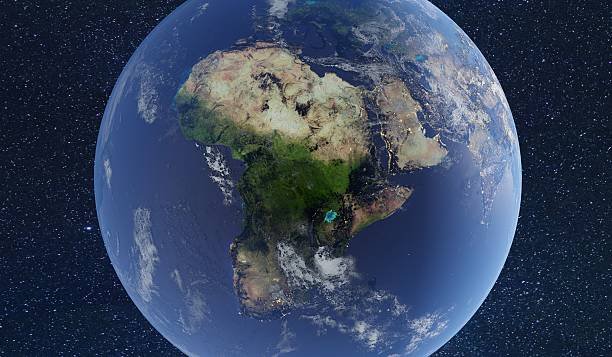
The Equator, an imaginary line encircling the Earth at 0 degrees latitude, passes through several countries across the globe, significantly influencing their climate, biodiversity, and culture. When asking, which country in Africa is on the Equator, it’s important to note that this critical geographical marker crosses a total of seven mainland African countries and one island nation. These include São Tomé and Príncipe, Gabon, Republic of the Congo, Democratic Republic of the Congo, Uganda, Kenya, and Somalia, each offering a unique perspective on equatorial life.
Understanding which African countries are on the Equator provides insight into the continent’s diverse landscapes, from dense rainforests to dry savannahs, all shaped by the distinct equatorial climate. This article will delve into each of these fascinating nations, exploring their unique geography, the impact of their equatorial location, and the rich cultural tapestry that thrives within this climatically significant zone.
Understanding the Equator's Significance in Africa
The Equator divides the Earth into the Northern and Southern Hemispheres, acting as a crucial reference point for geographical and climatic studies. Its proximity to the sun leads to unique weather patterns characterized by consistent high temperatures, high humidity, and abundant rainfall throughout the year, especially in tropical rainforest regions. This makes the equatorial belt one of the most biodiverse areas on the planet.
For African countries on the Equator, this translates into specific environmental conditions that have profoundly shaped their ecosystems, human settlements, and economic activities. The regions straddling the Equator often boast lush vegetation, vast wildlife, and distinct agricultural practices, making them areas of immense ecological and cultural interest.
The African Nations Straddling the Equator
Let’s explore each of the African countries crossed by the Equator, highlighting their individual characteristics and how the Equator influences their identity.
São Tomé and Príncipe: The Island Nation
São Tomé and Príncipe stands out as the only island nation on the Equator in Africa. Located in the Gulf of Guinea, this small, volcanic archipelago is a true hidden gem. The Equator passes through Ilhéu das Rolas, a small islet south of São Tomé Island, marked by a monument. This equatorial positioning blesses the islands with a hot, humid tropical climate and abundant rainfall, fostering incredible biodiversity. Its economy relies heavily on cocoa, coffee, and a growing ecotourism industry, attracting visitors keen on exploring its pristine beaches, lush rainforests, and unique endemic species. The experience of standing on the Equator on this remote island is truly unforgettable.
Gabon: The Green Heart of Africa
Gabon is renowned for its vast expanses of pristine rainforest, making it a critical player in global conservation efforts. A significant portion of Gabon lies directly on the Equator, which contributes to its hot, humid climate and exceptional biodiversity. The country is home to over 80% of Africa’s remaining tropical rainforest, making it a sanctuary for endangered species like gorillas, chimpanzees, and forest elephants. Gabon’s commitment to preserving its natural heritage is evident through its extensive network of national parks. The equatorial climate supports lush vegetation and diverse wildlife, making it a prime destination for ecotourism, though its economy is largely driven by oil and timber resources.
Republic of the Congo: A Central African Gem
Sharing the vast Congo Basin with its larger neighbor, the Republic of the Congo also has a significant portion of its territory bisected by the Equator. This nation is characterized by dense rainforests, a rich network of rivers including the mighty Congo River, and a climate that supports a wide array of plant and animal life. The equatorial position ensures consistent temperatures and high rainfall, contributing to its status as a biodiversity hotspot. Much like Gabon, conservation of its rainforests and the wildlife within them is a major focus. The country’s economy is primarily based on petroleum, forestry, and agriculture, with efforts to diversify into ecotourism.
Democratic Republic of the Congo: A Vast Equatorial Expanse
The Democratic Republic of the Congo (DRC) is by far the largest African country on the Equator, with the line crossing its immense central region. This vast nation encompasses a significant portion of the world’s second-largest rainforest, the Congo Rainforest, which is critical for global climate regulation and biodiversity. The Equator’s influence is palpable throughout the DRC, resulting in a hot, humid climate that sustains an extraordinary array of flora and fauna, including unique species found nowhere else on Earth. The country’s ecological richness is matched by its challenges, but its potential for sustainable development and ecotourism, particularly around its equatorial zones, is immense. The sheer scale of its equatorial territory makes the DRC a geographical marvel.
Uganda: The Pearl of Africa
Uganda, famously known as the “Pearl of Africa,” boasts a unique position where the Equator passes directly through its central and southern regions. This gives Uganda a remarkable blend of landscapes, from lush forests and savannahs to numerous lakes, including a substantial portion of Lake Victoria. The Equator crossing is a popular tourist attraction, often marked by monuments where visitors can stand with one foot in each hemisphere. The country’s equatorial climate, tempered by its relatively high altitude, contributes to its incredible biodiversity, including mountain gorillas, chimpanzees, and a myriad of bird species. Agriculture, particularly coffee and tea, thrives in these fertile equatorial conditions, and tourism is a vital and growing sector.
Kenya: East Africa's Equatorial Hub
Kenya is another prominent East African country on the Equator, known globally for its iconic wildlife, vast savannahs, and the Great Rift Valley. The Equator crosses central Kenya, even touching the slopes of Mount Kenya, Africa’s second-highest peak. This unique positioning allows for diverse ecosystems, from the snow-capped peaks of Mount Kenya to the arid northern regions and the bustling capital city of Nairobi, which lies just south of the Equator. The equatorial climate, modified by altitude and proximity to the Indian Ocean, supports an astounding array of wildlife, including the “Big Five” (lion, leopard, elephant, rhino, buffalo), making Kenya a world-class safari destination. Agriculture, tea, and coffee plantations also thrive in its equatorial highlands.
Somalia: The Horn of Africa's Equatorial Stretch
Somalia marks the easternmost point where the Equator touches the African continent. Unlike the lush rainforests of Central and West Africa, Somalia presents a much drier, arid to semi-arid landscape, even along its equatorial stretch. This highlights the fact that while the Equator brings consistent solar radiation, local factors like ocean currents (the Somali Current) and geographical features can significantly influence climate. The Equator passes through its southern tip, near the city of Kismayo. Despite its arid nature, Somalia’s long coastline along the Indian Ocean is influenced by equatorial currents, impacting its marine life and traditional fishing practices. The equatorial region here experiences high temperatures but relatively less rainfall compared to its western counterparts.
Climate and Ecosystems Along the Equator in Africa
The presence of the Equator fundamentally shapes the climate and ecological diversity of these African nations. This imaginary line is synonymous with a distinctive type of climate that supports some of the planet’s richest ecosystems.
Equatorial Climate Characteristics
The primary characteristic of an equatorial climate is its lack of distinct seasons. Instead, these regions experience high temperatures year-round, typically averaging around 25-30°C (77-86°F). This is coupled with high humidity and abundant rainfall, often occurring as intense convectional storms in the afternoon. The consistent heat and moisture are ideal conditions for rapid plant growth and the flourishing of diverse life forms. However, as seen in Somalia, local geographical features and ocean currents can lead to variations, resulting in drier equatorial zones.
Biodiversity Hotspots
The tropical rainforests found in the equatorial zones of Africa, particularly in the Congo Basin (spanning DRC, Republic of the Congo, Gabon), are among the world’s most significant biodiversity hotspots. These forests are home to an incredible concentration of species, many of which are endemic. They provide critical habitats for endangered primates, unique birds, and a vast array of insects and plant life. Beyond rainforests, the equatorial belt in East Africa (Uganda, Kenya) also supports rich savannah ecosystems, teeming with large mammals like elephants, giraffes, zebras, and numerous predators, attracting wildlife enthusiasts from around the globe.
Variations in Equatorial Environments
While the general characteristics of an equatorial climate hold true, there are significant environmental variations among the African countries on the Equator. For example:
- West and Central Africa (Gabon, Congos): Dominated by dense tropical rainforests, high humidity, and consistent heavy rainfall.
- East Africa (Uganda, Kenya): Features a mix of rainforest, savannah, and montane ecosystems, influenced by altitude and large lakes. The climate can be slightly milder due to higher elevations.
- Horn of Africa (Somalia): Exhibits a drier, semi-arid equatorial climate, a notable exception due to specific geographical and oceanic influences.
These variations demonstrate the complex interplay of global and local factors in shaping the environment, even within the narrow band of the Equator.
Cultural and Socio-Economic Impact of the Equator
The unique geography and climate of the equatorial region have had a profound impact on the cultures, economies, and lifestyles of the people living within these African nations crossed by the Equator.
Human Settlements and Livelihoods
For centuries, human communities in equatorial Africa have adapted to the hot, humid conditions. Traditional housing often features elevated structures and open designs to maximize airflow. Livelihoods are closely tied to the rich natural resources. Agriculture is a cornerstone, with staples like cassava, plantains, yams, and rice, along with cash crops such as coffee, cocoa, palm oil, and rubber, thriving in the fertile soils and consistent rainfall.
Economic Activities
The equatorial belt is rich in natural resources. Countries like Gabon and the Democratic Republic of Congo have significant reserves of oil, timber, and minerals. Sustainable management of these resources is a continuous challenge, balancing economic development with environmental conservation. Ecotourism has emerged as a vital economic sector in nations like Uganda and Kenya, leveraging their unique wildlife and natural beauty to attract international visitors, providing income and incentives for conservation efforts.
Challenges and Opportunities
While abundant in resources, equatorial African countries face various challenges, including deforestation, biodiversity loss, and the impacts of climate change. However, their unique ecosystems also present immense opportunities for scientific research, sustainable development, and responsible tourism. The global importance of the Congo Basin rainforest, for example, as a carbon sink and biodiversity reservoir, underscores the critical role these nations play in global environmental health.
Experiencing the Equator: Tourism and Unique Phenomena
For travelers and geography enthusiasts, visiting the Equator in Africa offers unique experiences, from scientific curiosities to unparalleled wildlife encounters.
Famous Equator Crossing Points
Several countries have established recognizable markers for the Equator. In Uganda, near Kayabwe, and in Kenya, near Nanyuki, visitors can find Equator monuments where they can literally stand with one foot in the Northern Hemisphere and the other in the Southern Hemisphere. These sites often feature demonstrations of the Coriolis effect (though often simplified or exaggerated for entertainment), gift shops, and cultural centers, making them popular stops for tourists.
Unique Wildlife Encounters
The equatorial African nations are unparalleled destinations for wildlife viewing. Uganda and Rwanda (though Rwanda is not directly on the Equator, its proximity is relevant) are famous for gorilla trekking in their dense equatorial forests. Kenya and Uganda offer classic savannah safaris to witness the “Big Five” and the spectacular wildebeest migration. The rainforests of Gabon and the Congos provide opportunities for tracking forest elephants, mandrills, and various primate species, offering a glimpse into some of the planet’s last remaining wild places.
In conclusion, the question of which country in Africa is on the Equator reveals a fascinating geographical fact: seven mainland nations and one island nation share this distinction. These are São Tomé and Príncipe, Gabon, the Republic of the Congo, the Democratic Republic of the Congo, Uganda, Kenya, and Somalia. Each of these countries offers a distinct perspective on the Equator’s influence, from the lush rainforests of Central Africa to the diverse landscapes of East Africa and the drier coastlines of the Horn. Their equatorial location profoundly shapes their climate, biodiversity, economies, and cultural heritage, making them areas of immense geographical and ecological significance on the African continent.
Enjoyed this read?
Share it with your friends and colleagues.