Which Countries In Africa Experience Equatorial Climate

BSC Insights Admin
October 07, 2026
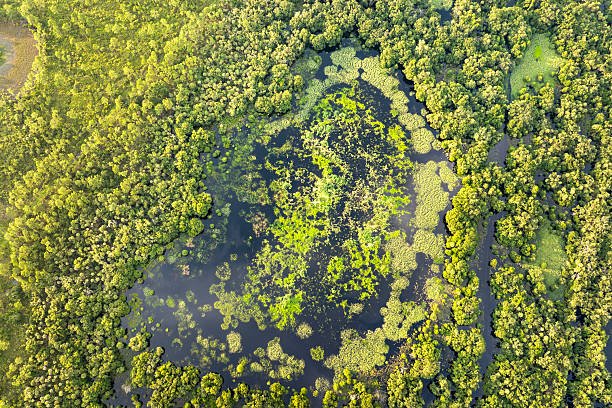
Understanding which countries in Africa experience equatorial climate is essential for grasping the environmental diversity of the continent and its massive rainforest ecosystems. These nations are located primarily along the equator, characterized by high temperatures, intense humidity, and significant rainfall that exceeds 2000 millimeters annually without a distinct dry season. This specific climatic zone supports some of the world's richest biodiversity, including the dense jungles of the Congo Basin and the coastal forests of West Africa.
The consistent weather patterns in these regions dictate the lifestyle, agricultural cycles, and economic activities of millions of people living in the heart of the continent. By exploring the specific territories within this zone, we can better appreciate how the tropical environment shapes the biological and social landscape of Central and West Africa.
These are the Countries In Africa Experience Equatorial Climate
Identifying the nations that fall within the equatorial zone requires looking at their proximity to the zero degree latitude line and their year round weather data. These countries generally do not experience the traditional four seasons found in temperate zones, but instead have a continuous cycle of warmth and moisture that encourages lush vegetation. The following list details the specific African nations where the equatorial climate is a dominant or significant feature of their geography, influencing everything from their wildlife to their primary export crops.
1. Democratic Republic of the Congo
The Democratic Republic of the Congo sits at the absolute center of the African equatorial region, containing the majority of the Congo Basin rainforest. This massive country experiences high temperatures ranging between 25 and 30 degrees Celsius throughout the year, with virtually no drop in humidity. Rainfall is exceptionally heavy, often occurring in intense afternoon thunderstorms that nourish the dense canopy and the sprawling Congo River system. The northern and central parts of the country are the most representative of this climate, where the lack of a dry season allows for the growth of massive hardwood trees like mahogany and ebony. This environment is also the primary habitat for unique species such as the okapi and the lowland gorilla, which rely on the constant moisture and thick foliage. Agriculture in these areas focuses on crops that thrive in wet conditions, including rubber, palm oil, and various tropical fruits that are essential for the local economy.
2. Republic of the Congo
The Republic of the Congo, located to the west of its larger namesake, is almost entirely covered by the equatorial climate zone. Its geography is defined by low lying plains and dense forests that receive consistent rainfall throughout the twelve months of the calendar year. In cities like Brazzaville and the northern Sangha region, the air is thick with moisture, and the temperature rarely fluctuates significantly between day and night. This stability creates a perfect environment for the vast peatlands and swamp forests that characterize much of the northern territory. These ecosystems are vital for global carbon sequestration, holding billions of tons of carbon within the waterlogged soil. Local communities have adapted to this environment by utilizing the rivers as primary transport routes, as road construction is often made difficult by the persistent rain and mud. The country’s commitment to preserving these forests has made it a central player in international environmental conservation efforts.
3. Gabon
Gabon is often described as the most forested nation in Africa, with over 85 percent of its land area covered by tropical rainforest thanks to the equatorial climate. The country experiences two peak rainfall periods following the equinoxes, but even the relatively drier months still see significant moisture. Temperatures remain warm and steady, hovering around 27 degrees Celsius, which supports an incredibly high level of endemic plant and animal species. The Ogooue River basin serves as the lifeblood of the nation, carrying the immense volume of rain from the interior to the Atlantic coast. Gabon has established thirteen national parks to protect this unique climatic heritage, ensuring that its forests remain pristine and functional. The abundance of water and heat also makes the country a prime location for the production of high quality timber and manganese, which are transported through the lush terrain to global markets. For visitors, the humidity can be intense, but it provides a rare opportunity to see forest elephants and hippos wandering onto the white sandy beaches of the Atlantic.
4. Equatorial Guinea
Equatorial Guinea, as its name suggests, is defined by its position near the equator and its classic tropical rainforest weather. The country consists of a mainland territory known as Rio Muni and several islands, including Bioko, all of which experience high humidity and heavy rainfall. In Malabo, the capital located on Bioko Island, the volcanic soil combined with the equatorial moisture creates an incredibly fertile landscape for cocoa and coffee plantations. Rainfall on the island can be among the highest in the world, particularly on the southern slopes of its volcanic peaks. On the mainland, the terrain is dominated by thick jungles that are home to primates and rare birds that thrive in the evergreen canopy. The discovery of offshore oil has changed the economy, but the fundamental daily life of the people is still dictated by the rhythms of the tropical rain. The country remains a humid and verdant territory where the forest is never more than a few miles away from any settlement.
5. Cameroon
While Cameroon has a diverse range of climates, its southern region is a prime example of the equatorial climate in Africa. Cities like Douala and the areas surrounding the port of Kribi experience intense heat and massive amounts of rainfall that often cause localized flooding. Mount Cameroon, an active volcano near the coast, acts as a rain trap, making the surrounding area one of the wettest places on earth with annual totals often exceeding 10,000 millimeters. This moisture supports the extensive rubber and palm oil estates that are vital to the national economy in the Southwest and Littoral regions. The southern forests are also rich in biodiversity, connecting the coastal ecosystems with the larger Congo Basin forest system. As one moves north toward the Sahel, the climate changes, but the southern third of the country remains a bastion of the wet, tropical world. This region is also famous for its vibrant culture and traditional music, which is often performed in the lush, green settings of the southern provinces.
6. Uganda
Uganda is a unique member of the equatorial group because its high altitude moderates the intense heat typically associated with this climate. Located on the equator, the region around Lake Victoria and the southern highlands experiences two rainy seasons and consistent temperatures that stay between 20 and 27 degrees Celsius. Entebbe and Kampala are known for their beautiful, green landscapes and frequent afternoon showers that keep the city gardens blooming year round. The moisture from Lake Victoria creates a localized equatorial effect that supports the growth of bananas, which are the primary food staple for the Ugandan people. The country’s famous national parks, such as Bwindi Impenetrable Forest, rely on this constant rainfall to maintain the habitat for the endangered mountain gorillas. While the northern parts of Uganda are drier and move toward a savanna climate, the southern half remains firmly rooted in the equatorial patterns. This mild yet wet environment has made Uganda one of the most agriculturally productive nations in East Africa.
7. Liberia
Liberia is located on the West African coast and experiences one of the most intense versions of the equatorial monsoon climate. The country receives an enormous amount of rainfall, particularly during the months of May through October, which can see several meters of water falling on the coastal plains. Monrovia, the capital, is often cited as one of the rainiest capital cities in the world, with persistent downpours that can last for days at a time. The heat and humidity are constant, facilitating the growth of the Upper Guinean Forest, which is a major biodiversity hotspot in West Africa. This climate is perfect for the production of natural rubber, and the country is home to some of the largest rubber plantations globally. The thick vegetation and heavy rain have historically influenced the settlement patterns and the traditional architecture of the Liberian people. Despite the challenges of maintaining roads in such a wet environment, the forest remains the most significant natural asset for the nation’s future development.
8. Sierra Leone
Sierra Leone experiences a tropical equatorial climate that is heavily influenced by its position on the Atlantic coast and the movement of the monsoon winds. The country has a very long rainy season where it receives the bulk of its 3000 to 5000 millimeters of annual precipitation. Temperatures are consistently high, averaging around 26 degrees Celsius, and the humidity levels rarely drop below 80 percent in the coastal areas. This climate supports the growth of lush mangroves along the coast and dense inland forests that are rich in timber and mineral resources. Freetown, the capital, is situated on a mountainous peninsula that receives heavy rain, resulting in a verdant and dramatic landscape. The agricultural sector relies on these rains for the cultivation of rice, which is the primary food crop for the majority of the population. While the inland regions near the border with Guinea can be slightly drier, the core of the country is defined by its wet and tropical character. The people of Sierra Leone have a deep connection to their land, which is kept productive and green by the persistent equatorial moisture.
9. Nigeria
The southern part of Nigeria, particularly the Niger Delta and the coastal strip, is a classic example of an equatorial climate zone. This region experiences high rainfall for most of the year, with a very short and mild dry season that is often still humid. The mangroves of the Niger Delta are among the largest in the world, thriving in the brackish water and constant tropical heat. Cities like Lagos and Port Harcourt are known for their sweltering humidity and frequent heavy rains that impact urban infrastructure and daily commuting. This climate is essential for the cultivation of cocoa in the southwest and oil palm in the southeast, both of which are major non oil exports for the country. The dense rainforests that once covered the entire southern belt have been reduced by urbanization, but the climatic conditions remain unchanged. Nigeria’s southern provinces provide a stark contrast to the arid north, showcasing the immense geographical variety within the continent’s most populous nation.
10. Côte d'Ivoire
Côte d'Ivoire, or the Ivory Coast, has a southern region that is deeply influenced by the equatorial climate, which has made it the world's leading producer of cocoa. The area south of the political capital, Yamoussoukro, receives consistent rainfall and maintains high temperatures that are perfect for the sensitive cocoa trees. The humidity in coastal cities like Abidjan is legendary, often staying near 100 percent during the peak of the rainy seasons. These conditions once supported a massive expanse of tropical rainforest, although much of it has been converted into agricultural land for coffee, rubber, and palm oil. The southern part of the country features two distinct rainy peaks, ensuring that the soil remains moist and productive throughout the year. This climatic advantage has been the backbone of the Ivorian economy for decades, allowing it to become a regional powerhouse in West Africa. The people in the south are closely attuned to the weather patterns, as the timing of the rains determines the success of the annual harvests.
11. Ghana
The southwestern corner of Ghana, particularly the Western Region, experiences a true equatorial climate characterized by heavy rainfall and high humidity. This area, known for its lush hills and evergreen forests, receives significantly more rain than the rest of the country, often exceeding 2000 millimeters per year. The temperatures in cities like Sekondi-Takoradi and the forest interior are consistently warm, providing the ideal environment for the country’s massive cocoa industry. Ghana’s oldest and most pristine rainforest, Kakum National Park, is a product of this constant moisture and heat, featuring a world famous canopy walkway. The heavy rains also support the timber and rubber industries, which are important contributors to the national GDP. While the capital city of Accra is somewhat drier due to its position on the coastal savanna, the southwestern interior remains a classic tropical jungle environment. This region is essential for Ghana's environmental health, acting as a major water catchment area for several of its important rivers.
Reasons Why These Countries Experience Equatorial Climate in Africa
1. Direct Proximity to the Equator: The most fundamental reason why certain countries in Africa experience equatorial climate is their geographical location between 5 degrees North and 5 degrees South of the equator. In this zone, the sun's rays hit the earth at a nearly vertical angle year round, providing consistent and intense solar energy. This constant heating of the land and sea leads to the rapid evaporation of water and the formation of the heavy clouds that produce daily rainfall.
2. Presence of the Inter-Tropical Convergence Zone: The Inter-Tropical Convergence Zone, or ITCZ, is a belt of low pressure where the trade winds from the Northern and Southern Hemispheres meet. This zone follows the sun's position and hovers over the equatorial regions of Africa for most of the year, causing air to rise and cool rapidly. This process leads to the massive condensation and frequent thunderstorms that are the hallmark of the equatorial weather pattern. The ITCZ is responsible for the two rainy peaks seen in many of these countries during the equinoxes.
3. Influence of Warm Ocean Currents: The Guinea Current and other warm Atlantic waters play a major role in bringing moisture into the West and Central African coastal regions. As warm air passes over these tropical waters, it picks up immense amounts of water vapor which is then carried inland by the prevailing winds. This maritime influence ensures that coastal countries like Gabon, Liberia, and Nigeria maintain high humidity and heavy rainfall even when the inland areas might be slightly drier. The interaction between the ocean and the land is a key driver of the equatorial rainfall in Africa.
4. The Vast Congo Basin Topography: The unique geography of the Congo Basin, which is a massive low lying depression surrounded by higher ground, acts as a giant moisture trap. Water evaporated from the dense rainforest canopy is recycled within the basin through a process called evapotranspiration. This means that a large percentage of the rain that falls in the Democratic Republic of the Congo actually comes from the forest itself rather than the ocean. This self sustaining cycle is why the heart of Africa remains so consistently wet and humid throughout the year.
5. Lack of Mountain Barriers in Certain Areas: Unlike some other continents where high mountain ranges block the movement of moisture, much of the equatorial belt in Africa consists of relatively low lying plateaus and plains. This allows the moisture laden air from the Atlantic and the ITCZ to penetrate deep into the interior of the continent without being stopped. This unobstructed flow of air ensures that the equatorial climate extends far inland, covering millions of square kilometers in the Central African region. While small ranges exist, they generally do not create the rain shadow effects that would result in arid conditions nearby.
6. Dense Rainforest Vegetation Coverage: The presence of massive, multi layered rainforests actually helps to maintain the equatorial climate by keeping the ground shaded and moist. The trees release water vapor into the atmosphere through their leaves, which then forms clouds and falls back as rain in a continuous loop. This tropical rainforest climate is a balanced ecosystem where the plants and the weather depend on each other for survival. If the forests were significantly cleared, the local climate would likely become drier and hotter, as the natural cooling and moisture recycling mechanisms would be lost.
Conclusion
In summary, the nations which countries in Africa experience equatorial climate are those situated in the lush heart of the continent where heat and moisture are a permanent reality. From the vast jungles of the Democratic Republic of the Congo to the coastal forests of Liberia and Ghana, this climate defines the biological richness and the agricultural potential of the region. The consistent rainfall and high temperatures provided by the ITCZ and the proximity to the equator ensure that these territories remain the greenest parts of the African landmass. As the world faces environmental shifts, preserving these equatorial regions becomes increasingly vital for global climate stability and biodiversity. Understanding these countries and their unique weather patterns allows for a deeper appreciation of the complex and beautiful environment of equatorial Africa.
Enjoyed this read?
Share it with your friends and colleagues.