Deserts Found In African

BSC Insights Admin
October 07, 2026
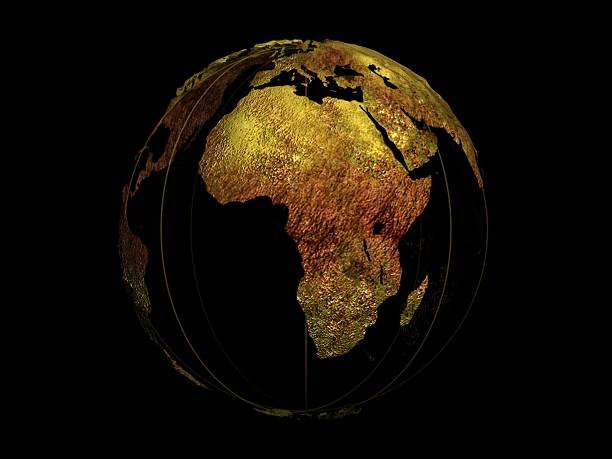
Identifying the various African countries that have deserts found in their borders offers a profound look into the geological and climatic diversity of the second-largest continent on Earth. These arid regions are not merely barren wastes but are home to ancient civilizations, unique wildlife, and some of the world's most significant natural resources. Whether it is the vast expanse of the Sahara in the north or the coastal mists of the Namib in the southwest, each desert plays a pivotal role in the environmental health and economic potential of the nations they occupy.
Exploring these dry landscapes helps one understand the remarkable resilience of the people and animals that have adapted to such extreme conditions over thousands of years. By looking at the specific regions where these deserts exist, we can better appreciate the complex interplay between geography and human history across Africa.
These are the Countries that Have Deserts Found in Africa
Africa is unique because it contains several distinct desert systems, including the Sahara, the Kalahari, the Namib, and the Danakil, each with its own character and climate. Many people assume that these deserts are entirely sandy, but they actually consist of mountains, gravel plains, and salt pans that offer a diverse array of scenery. Below is a comprehensive list of the primary nations that host these impressive and challenging environments, highlighting their unique features and geographic importance.
1. Algeria
Algeria is the largest nation on the continent, and a staggering eighty percent of its land is covered by the Sahara, making it a quintessential African country which has deserts found in its southern reaches. The Algerian Sahara is home to the Tassili n'Ajjer National Park, a vast plateau that features one of the most important groupings of prehistoric cave art in the world. Visitors can also find the Hoggar Mountains, where volcanic peaks rise dramatically from the desert floor, providing a stark contrast to the surrounding sand dunes of the Grand Erg Oriental. This region is not only a cultural treasure but also the heart of Algeria's economy, as it contains massive reserves of oil and natural gas that are exported globally. The town of Tamanrasset serves as a vital oasis and a hub for the Tuareg people, whose knowledge of the desert has allowed them to survive in these harsh conditions for generations. The sheer scale of the desert in Algeria ensures that the nation remains a central focus for any study of African aridity and geological history.
2. Namibia
Namibia is famous for hosting the Namib Desert, which is widely considered the oldest desert in the world, having existed for at least 55 to 80 million years. This coastal desert stretches along the Atlantic Ocean, creating a surreal landscape where massive red sand dunes meet the cold, crashing waves of the sea. The Sossusvlei area is particularly iconic, featuring some of the highest dunes on the planet, some of which reach over 300 meters in height. Namibia is also home to the Skeleton Coast, a treacherous stretch of desert coastline littered with shipwrecks and whale bones, shrouded in thick morning fog that provides essential moisture for desert life. Unique species like the Welwitschia mirabilis plant and the fog-basking beetle have evolved specialized ways to harvest water from the air in this rainless environment. The Namibian desert is a major driver of the national tourism industry, drawing photographers and nature lovers from every corner of the globe to witness its timeless and haunting beauty.
3. Botswana
Botswana is largely defined by the Kalahari Desert, a massive semi-arid sandy savanna that covers about seventy percent of the country’s total land area. While it is called a desert, the Kalahari receives more rainfall than the Sahara, allowing for a diverse range of vegetation including acacia trees and hardy grasses. This environment supports an incredible array of wildlife, including the famous black-maned lions, cheetahs, and vast herds of springbok and gemsbok. The Kalahari is also the ancestral home of the San people, one of the world's oldest cultures, who possess an unparalleled understanding of the desert's flora and fauna. In the northern part of the desert, the landscape transitions into the Okavango Delta, where the river's waters disappear into the Kalahari sands, creating a unique inland oasis that is a haven for biodiversity. Botswana's management of its desert resources and wildlife has made it one of the most successful conservation stories in modern Africa.
4. Egypt
Egypt is a nation where the desert is almost omnipresent, with over ninety-five percent of the population living along the narrow strip of the Nile Valley because the rest of the country is arid. The Western Desert, part of the Sahara, contains unique geological features like the White Desert, where wind-carved chalk formations resemble giant mushrooms or snowy landscapes. To the east of the Nile, the Eastern Desert rises toward the Red Sea Mountains, offering a rugged terrain that has been mined for gold and emeralds since the time of the Pharaohs. Egypt also includes the Sinai Peninsula, a mountainous desert region that holds deep religious and historical significance for many cultures. Despite the lack of rain, Egypt has developed innovative irrigation projects like the New Valley Project to reclaim desert land for agriculture. The relationship between the life-giving Nile and the surrounding country in Africa having deserts found in its borders has shaped the very foundation of human civilization for over five thousand years.
5. Libya
Libya is situated in the heart of the Sahara, and its territory includes the Libyan Desert, which is known for being one of the most arid and sun-baked regions on Earth. Large parts of the country are covered by ergs, which are massive seas of sand that can shift and change with the wind, making navigation a constant challenge. One of the most remarkable features in the Libyan desert is the Waw an Namus, a volcanic crater that contains three colorful lakes surrounded by black volcanic ash, creating a stunning visual contrast with the yellow sand. Libya also possesses the Great Man-Made River, a massive network of underground pipes that transports fresh water from ancient fossil aquifers deep beneath the desert to the coastal cities. This engineering marvel is essential for the country's survival, as surface water is almost non-existent in the desert interior. The harshness of the Libyan landscape has preserved many ancient sites, such as the rock art of the Akakus Mountains, which tell the story of a time when the Sahara was once green and full of life.
6. Mauritania
Mauritania is a vast West African nation where the Sahara Desert dominates nearly the entire landscape, forcing the population to adapt to a life of heat and wind. The Adrar Plateau is a particularly scenic part of the Mauritanian desert, featuring deep canyons, palm-fringed oases, and ancient stone cities like Chinguetti. This town was once a major center of Islamic learning and a vital stop for caravans traveling across the Sahara with salt, gold, and manuscripts. Mauritania is also home to the Richat Structure, often called the Eye of the Sahara, a massive circular geological feature that is so distinct it can be seen from space. The national economy is heavily dependent on the desert, as it contains some of the world's largest iron ore deposits, which are transported by a famous two-kilometer-long train to the coast. Life in Mauritania is a constant struggle against the encroaching sands, but the cultural resilience of its people remains a powerful testament to the human spirit in the face of environmental adversity.
7. Ethiopia
Ethiopia is a land of incredible geographical extremes, and it is home to the Danakil Depression, often cited as one of the hottest and lowest places on the planet. Located in the Afar Region, this desert is a tectonic crossroads where the earth's crust is pulling apart, resulting in active volcanoes, bubbling sulfur springs, and vast salt pans. The hydrothermal fields of Dallol are a highlight of this desert, featuring neon-colored mineral deposits that look like they belong on another planet. The Danakil is also known for its traditional salt mining industry, where Afar laborers carve blocks of salt from the earth and transport them by camel caravan to the highlands. Despite the extreme temperatures that can exceed fifty degrees Celsius, the region has been inhabited for centuries by the Afar people, who have adapted to the volcanic landscape. The Danakil Desert is a site of great scientific interest, as its unique conditions provide clues about how life might exist on other planets in our solar system.
8. Sudan
Sudan contains the Nubian Desert, which lies in the northeastern part of the country and is bordered by the Nile River to the west and the Red Sea to the east. This desert is characterized by its rocky plateaus and sandstone hills, and it was the heart of the ancient Kingdom of Kush. The pyramids of Meroë are located within this arid landscape, standing as silent witnesses to a civilization that once rivaled Egypt in power and architectural skill. Unlike the sandy dunes of the Western Sahara, the Nubian Desert is quite stony, yet it still presents significant challenges for transportation and agriculture. The Nile River provides a lifeline through this desert, allowing for narrow strips of green cultivation that contrast sharply with the surrounding orange and brown earth. Sudan's desert regions are also becoming increasingly important for artisanal gold mining, which has become a major source of income for many local communities. The blend of ancient history and modern resource extraction makes the Sudanese desert a fascinating area of study for historians and economists alike.
9. Niger
Niger is home to the Ténéré, a vast region of the Sahara that is often described as a "desert within a desert" due to its extreme isolation and beauty. The Ténéré is famous for its towering sand dunes, some of which are shaped by the wind into perfect crescents known as barchans. In the middle of this sand sea lies the Aïr Mountains, a rugged granite massif that offers a refuge for rare desert wildlife like the Barbary sheep and various species of gazelle. The city of Agadez, located on the edge of the desert, has served for centuries as a major crossroads for the trans-Saharan trade routes. Niger also possesses significant uranium deposits in its desert northern regions, which are a major part of the national economy and play a role in global energy production. The Tuareg people of Niger continue to host the Cure Salée festival every year, where nomadic herders gather to celebrate the end of the rainy season and share news, music, and traditions. The Ténéré remains one of the last great wilderness areas on Earth, offering a sense of scale and silence that is rarely found in the modern world.
10. Morocco
Morocco provides a unique desert experience because its portion of the Sahara is easily accessible and offers a dramatic transition from the high Atlas Mountains to the golden sands of the south. The regions around Merzouga and Zagora are the most famous, featuring the Erg Chebbi and Erg Chigaga dune systems that are popular with international tourists. These areas are not just for travel; they are also important for the local Berber communities who have maintained their nomadic traditions for centuries. Morocco has invested heavily in the desert by building the Noor Solar Power Station near Ouarzazate, which uses the intense Saharan sun to provide clean energy for millions of people. The desert has also become a major hub for the international film industry, with its striking landscapes serving as the backdrop for movies like Gladiator and Lawrence of Arabia. The Moroccan desert represents a successful blend of ancient tradition and modern innovation, making it a key country in Africa having deserts found in its southern provinces.
Reasons Why These Countries Have Deserts Found in Africa
1. Atmospheric Pressure Systems: Most of these countries in Africa that have deserts found in them are located within the subtropical high-pressure belt. In these regions, air from the upper atmosphere descends toward the Earth's surface, warming up and drying out as it falls. This descending air prevents the formation of clouds and precipitation, leading to the permanent arid conditions that characterize the Sahara and the Kalahari. This global atmospheric movement is the primary reason why North and South Africa host such vast expanses of dry land.
2. The Rain Shadow Effect: High mountain ranges play a critical role in creating deserts by blocking moisture-laden winds from reaching certain inland areas. For example, the Atlas Mountains in Morocco and Algeria catch the moisture from the Atlantic Ocean, leaving the land behind them in a dry "rain shadow." Similarly, the mountains of the Great Rift Valley contribute to the aridity of the Danakil Depression in Ethiopia. This geographic phenomenon ensures that even if a country is near an ocean, its interior may remain a desert.
3. Cold Ocean Currents: Along the western coast of Africa, cold ocean currents like the Benguela Current near Namibia and the Canary Current near Mauritania contribute to desert formation. These cold waters cool the air above them, which then becomes stable and unable to rise and form rain clouds. While this results in frequent coastal fog, it provides very little actual rainfall, leading to the formation of "fog deserts" like the Namib. This explains why some of the world's driest places are located directly adjacent to the ocean.
4. Continental Position and Distance from Water: Many African countries that have deserts found in their borders are simply too far from the sea for moisture to reach them. As moist air moves inland from the Indian or Atlantic Oceans, it gradually loses its water content through rain in coastal regions. By the time the air reaches the central Sahara in countries like Chad or Niger, it is completely dry. This continental effect creates vast areas of land where rainfall is a rare and unpredictable event.
5. Historical Climate Changes: The deserts we see today are the result of long-term shifts in the Earth's orbit and tilt, which have changed the path of monsoon rains over thousands of years. Research shows that just five thousand years ago, parts of the Sahara were covered in grasslands and lakes, a period known as the Green Sahara. As the Earth's position shifted, the monsoon rains moved further south, causing the northern part of the continent to dry out. These natural cycles have historically transformed lush landscapes into the arid regions we navigate today.
6. High Rates of Evapotranspiration: In the tropical and subtropical regions of Africa, the intense heat from the sun causes water to evaporate much faster than it can be replaced by rain. Even in areas that receive some rainfall, the ground remains dry because the moisture is quickly pulled back into the atmosphere by the sun's energy. This moisture deficit makes it difficult for traditional forests to grow, favoring instead the sparse, specialized vegetation found in desert environments. This high evaporation rate is a defining characteristic of the Saharan and Kalahari regions.
Conclusion
The numerous African countries that have deserts found in their territories showcase the incredible variety and harsh beauty of the continent's natural world. From the ancient, red dunes of Namibia to the volcanic landscapes of Ethiopia, these deserts are more than just sand; they are hubs of history, culture, and economic resources. While these environments present significant challenges for human survival, they also offer opportunities for renewable energy and tourism that are vital for the future of Africa. Understanding the geography and the reasons behind the formation of these deserts allows us to appreciate the delicate balance of nature in these regions. As the continent continues to develop, the preservation and management of these desert landscapes will remain a top priority for every country in Africa that shares in the majesty of the Sahara and its southern counterparts.
Enjoyed this read?
Share it with your friends and colleagues.