How African Are Dominicans

BSC Insights Admin
October 09, 2026
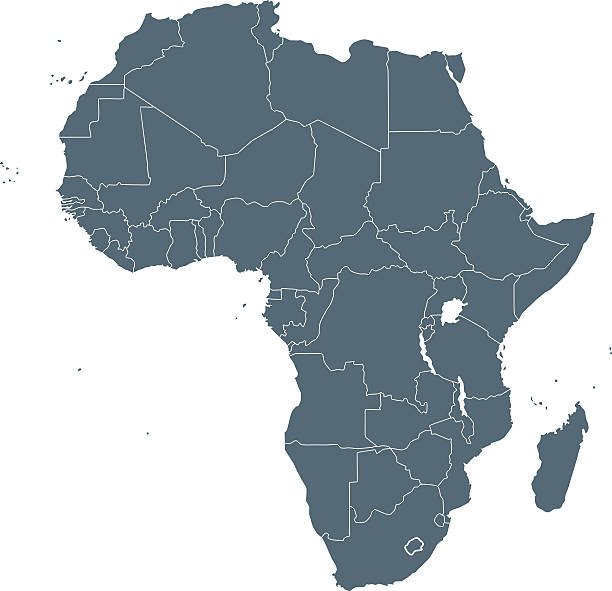
How African are Dominicans? The Dominican Republic, like much of the Caribbean, possesses a rich and complex identity profoundly shaped by its African heritage, interwoven with European and Indigenous Taíno influences. While often perceived as a blend of cultures, the African contribution to Dominican identity—ranging from genetics and physical appearance to music, religion, cuisine, and language—is significant and undeniable, forming a foundational pillar of what it means to be Dominican today.
The Historical Tapestry: African Arrival and Enslavement
The story of how African Dominicans came to be begins with the arrival of Christopher Columbus in 1492 on the island of Hispaniola, which now comprises Haiti and the Dominican Republic. Shortly after, the Spanish crown initiated the transatlantic slave trade to fuel its colonial enterprises, particularly sugar cane plantations, as the Indigenous Taíno population was decimated by disease and forced labor. This historical period, starting in the early 16th century, laid the groundwork for the substantial African presence in the region.
- First Africans: Africans arrived in Hispaniola as early as 1502, initially as enslaved people alongside European colonists.
- Labor Force: As indigenous populations waned, enslaved Africans became the primary labor force in mines and on sugar plantations, enduring brutal conditions.
- Cimarrones and Resistance: Many enslaved Africans resisted by escaping to form communities of 'cimarrones' (runaways) in the island's interior, preserving aspects of their African cultures away from direct Spanish control.
- Demographic Shift: Over centuries, the continuous importation of enslaved Africans meant that people of African descent became the demographic majority in many parts of the island, fundamentally altering its social and cultural landscape.
The historical trajectory of Spanish colonialism, the slave trade, and subsequent independence movements critically shaped the racial and cultural composition of the Dominican Republic, leaving an indelible African mark on its people and traditions.
Genetic Legacy: Tracing Dominican Ancestry
Modern genetic studies provide compelling evidence for the significant African ancestry among Dominicans. These studies consistently reveal a predominant admixture of European, African, and to a lesser extent, Indigenous Taíno DNA, reflecting centuries of intermarriage and cultural exchange.
For instance, research often indicates that the average Dominican individual carries a substantial percentage of African DNA, alongside European and a smaller but distinct percentage of Indigenous American (Taíno) ancestry. This genetic makeup varies across the population, reflecting diverse migration patterns and social histories within the country. However, the overarching pattern confirms that the genetics of Dominicans are deeply rooted in Africa.
The Tri-Racial Heritage Explained
- African Ancestry: The largest genetic component for many Dominicans comes from various ethnic groups in West and Central Africa, brought to the island through the slave trade. This is a powerful testament to the resilience and endurance of these populations.
- European Ancestry: Primarily from Spain, but also from other European nations, this component reflects the colonizers and later immigrants.
- Indigenous Taíno Ancestry: Despite their decimation, the Taíno left a genetic footprint, particularly noticeable in certain regions and families, contributing to the unique blend of Dominican identity.
This genetic tapestry underscores the fact that the question of how African are Dominicans is not merely cultural but biological, rooted in the very DNA of its people. This complex genetic heritage creates a diverse population where individuals can exhibit a wide range of phenotypical appearances, yet share a common ancestral past.
Vibrant Cultural Expressions: The African Heartbeat of the Dominican Republic
Beyond genetics, the influence of Africa is undeniably visible, audible, and palpable in every aspect of Dominican culture. From the rhythms that define its music to the flavors that characterize its cuisine, and the spiritual beliefs that permeate its daily life, the Dominican African heritage is a living, breathing force.
Music and Dance: Rhythms of Resistance and Celebration
Dominican music and dance are perhaps the most immediate and recognizable expressions of the island's African roots. Genres like Merengue and Bachata, now globally famous, draw heavily from African rhythmic structures, instrumentation, and performance styles.
- Merengue: The national dance of the Dominican Republic, Merengue's energetic 2/4 beat, call-and-response vocals, and the use of instruments like the güira (a metal scraper with Indigenous roots) and tambora (a two-headed drum of African origin) showcase its syncretic nature but lean heavily on African rhythmic patterns.
- Bachata: While emerging later and initially associated with rural working-class communities, Bachata's guitar-driven melodies are often underpinned by rhythmic patterns that resonate with African musical traditions, often expressing themes of heartbreak and social commentary.
- Palo and Sarandunga: These lesser-known but equally significant forms of music and dance are directly tied to Afro-Dominican religious ceremonies. Performed with long drums (palos) and other percussion, they are clear, unadulterated retentions of West and Central African musical practices, preserved and passed down through generations.
These musical forms are not just entertainment; they are vital cultural touchstones that connect Dominicans to their ancestral past and foster a sense of shared identity.
Religion and Spirituality: Sacred Syncretism
The religious landscape of the Dominican Republic is another powerful testament to its African heritage. While the majority of Dominicans identify as Catholic, popular religious practices often feature a profound syncretism, blending Catholic rituals and saints with African spiritual beliefs and deities.
- Dominican Vodú (21 Divisions): Distinct from Haitian Vodou, Dominican Vodú, also known as 'Las 21 Divisiones' or 'Servidores de Misterios,' is a spiritual tradition that venerates 'misterios' (spirits) who are often syncretized with Catholic saints. These practices involve drumming, dancing, offerings, and spirit possession, directly linking back to West African religious systems.
- Cofradías: Traditional brotherhoods, often with specific African ethnic origins (like the 'Congos' of Villa Mella), maintain ancient religious practices, drumming, and singing in honor of their patron saints and ancestors, demonstrating enduring African religious retentions.
This spiritual fusion highlights the resilience of African beliefs and their ability to adapt and survive under the pressures of colonialism and forced conversion.
Cuisine: Flavors of the African Diaspora
Dominican cuisine is a delicious melting pot, with strong influences from Africa. Many staple ingredients and cooking techniques commonly used today were introduced by enslaved Africans or adapted from their culinary traditions.
| African Influence | Dominican Dish/Ingredient |
|---|---|
| Use of plantains, yams, root vegetables | Mofongo, Mangú, Sancocho |
| Stewing techniques, one-pot meals | La Bandera Dominicana (rice, beans, meat), Sancocho |
| Peanuts and various legumes | Guanimo (corn and peanut paste) |
| Cooking in coconut milk, use of spices | Dominican stews, seafood dishes |
Dishes like Mangú (mashed plantains) and Sancocho (a hearty stew) bear clear resemblances to West African culinary traditions, showcasing how African foodways were adapted and integrated into the emerging Dominican identity.
Language and Oral Traditions: Echoes in Words
While Spanish is the official language, the everyday speech of Dominicans contains numerous words and expressions of African origin, particularly in slang and colloquialisms. These linguistic retentions, known as Africanisms, are a subtle yet powerful testament to the enduring influence of various African languages brought by enslaved people.
- Africanisms: Words like 'chévere' (cool), 'ñame' (yam), 'quimbombó' (okra) have African roots.
- Oral Histories and Proverbs: Traditional storytelling, proverbs, and riddles often reflect African narrative structures and moral teachings, passed down through generations.
These linguistic and oral traditions demonstrate how African culture permeated daily communication and thought, even under conditions designed to erase it.
Racial Identity and Social Dynamics in the Dominican Republic
The question of how African are Dominicans is deeply intertwined with the country's complex history of racial identity. For decades, and even centuries, there has been a societal inclination to emphasize European and Indigenous Taíno heritage over African roots, often as a legacy of colonialism and anti-Haitian sentiment.
- The 'Indio' Category: Historically, the Dominican government promoted the category of 'indio' (Indian) on identification cards, a classification that effectively minimized or erased African ancestry, even for individuals with clear African features. This was a deliberate effort to differentiate Dominicans from Haitians, with whom they share the island, and to align with a more 'Hispanic' identity.
- Colorism: Like many post-slavery societies, colorism is prevalent in the Dominican Republic, where lighter skin tones are often privileged. This social hierarchy has created challenges for individuals of darker complexion in acknowledging and celebrating their African heritage.
- Growing Afro-Dominican Identity: In recent decades, there has been a powerful resurgence and assertion of Afro-Dominican identity. Activists, scholars, and artists are actively working to reclaim and celebrate the African legacy, challenging historical narratives that sought to diminish it. This movement emphasizes that being Dominican means embracing the totality of its tri-racial heritage.
Understanding these social dynamics is crucial to comprehending the full scope of racial identity in the Dominican Republic and the ongoing journey of self-affirmation for many Dominicans of African descent.
Comparing Dominican Identity with Other Caribbean Nations
While Dominicans possess a distinct cultural blend, their experience of African heritage shares commonalities and differences with other Caribbean nations. For example, countries like Cuba and Puerto Rico also exhibit a strong Spanish colonial and African presence, resulting in similar syncretic cultures, music (e.g., Son Cubano, Bomba y Plena), and religious practices (e.g., Santería).
Haiti, on the other hand, a nation with a largely unmixed African population and a successful slave revolt, has a more direct and openly acknowledged connection to its West African roots, especially through Haitian Vodou. The Dominican Republic's historical context, particularly its long period under Spanish rule and later complex relationship with Haiti, led to unique societal constructs around race and identity that often downplayed the African contribution.
Despite these differences, the broader African diaspora in the Caribbean showcases how resilient and adaptable African cultures were in shaping new identities across the region, with each island weaving its unique story from similar threads.
Conclusion: Embracing the Rich African Tapestry
In conclusion, the question of how African are Dominicans elicits a profound and resounding answer: unequivocally, deeply, and vibrantly African. From the genetic blueprint that marks their ancestry to the pulsating rhythms of their music, the sacred traditions of their spirituality, and the flavors of their cuisine, the African presence is woven into the very fabric of Dominican life. While historical factors led to a complex relationship with this heritage, there is a growing and vital recognition that embracing the African roots is not only essential for a complete understanding of Dominican identity but also a source of immense cultural pride and strength. The Dominican Republic stands as a powerful testament to the enduring legacy of the African diaspora, demonstrating a unique and beautiful fusion that defines its people and their vibrant nation.
Enjoyed this read?
Share it with your friends and colleagues.