Does African Female Elephants Have Tusks

BSC Insights Admin
September 30, 2026
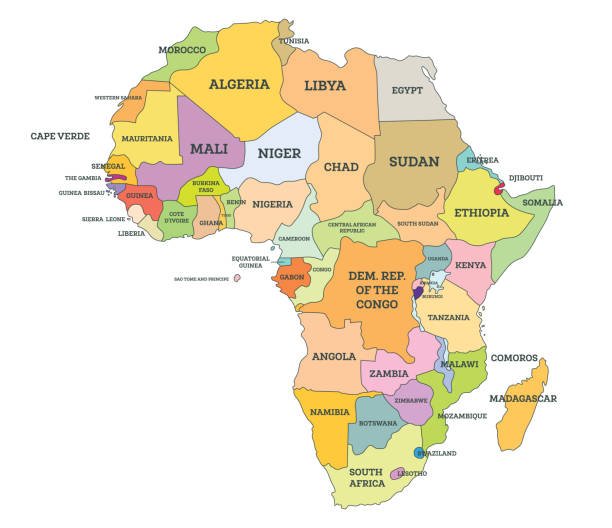
When picturing an elephant, the majestic image of large tusks often comes to mind. A common question arises, especially concerning the fairer sex of these giants: does African female elephants have tusks? The definitive answer is yes, African female elephants typically possess tusks, a significant distinguishing feature when compared to their Asian counterparts. These impressive ivory structures are not just for show; they are crucial tools vital for their survival and play multiple roles in their daily lives.
Unlike most female Asian elephants, which often have either very small tusks (known as tushes) or no visible tusks at all, both male and female African elephants are characterized by the presence of tusks. This article delves into the biology, function, variations, and conservation implications surrounding the tusks of African female elephants, providing a comprehensive understanding of this fascinating aspect of elephant biology.
The Anatomy and Purpose of Elephant Tusks
Elephant tusks are not merely teeth; they are highly specialized, continuously growing incisors that protrude from the elephant's upper jaw. Composed primarily of dentine, with a hard enamel cap that wears away with age and use, and an inner pulp cavity, tusks are living structures with blood vessels and nerves. Their growth is constant throughout an elephant's life, with the visible portion being only about two-thirds of the total length, the rest anchored deep within the skull.
Functions Crucial for Survival
For African female elephants, their tusks serve a multitude of essential functions, directly contributing to their ability to thrive in diverse African landscapes:
- Foraging and Feeding: Tusks are powerful tools for digging. Elephants use them to unearth roots, tubers, and minerals from the soil, especially in dry seasons. They also strip bark from trees, break branches, and access hard-to-reach foliage.
- Water Access: In arid regions, tusks are vital for digging waterholes, providing not only for themselves but also for other wildlife.
- Defense: While male elephants often use tusks for sparring, females also use them as a formidable defense against predators like lions, particularly when protecting their calves. They can also deter rival herds or other animals.
- Tool Use: Tusks can be used to lift and move heavy objects, clear paths, or even mark trees within their territory.
- Social and Communication: While less understood, tusks might play a role in social interactions or displays within a herd.
African vs. Asian Elephants: Tusk Differences
One of the most immediate and striking ways to differentiate between African and Asian elephant species lies in their tusks, particularly concerning the females. Understanding these distinctions is key to answering the question of does African female elephants have tusks.
African Elephants: Both Sexes Tusked
The two recognized species of African elephants—the African savanna elephant (Loxodonta africana) and the African forest elephant (Loxodonta cyclotis)—both exhibit tusks in both males and females. Generally, the tusks of male African elephants are thicker and longer than those of females, but the presence of tusks in females is a consistent characteristic. African elephant tusks tend to be larger and more curved than those found in their Asian cousins.
- African Savanna Elephant: Typically larger overall, with large, fan-shaped ears and usually curved tusks that grow outwards and upwards. Female savanna elephants have prominent tusks, though generally smaller than the males'.
- African Forest Elephant: Smaller than savanna elephants, with more rounded ears and straighter, thinner tusks that are often pointed downwards. Female forest elephants also possess tusks, which are crucial for navigating dense forest undergrowth.
Asian Elephants: Sexual Dimorphism in Tusks
In stark contrast, Asian elephants (Elephas maximus) display significant sexual dimorphism regarding their tusks. While male Asian elephants typically grow large, impressive tusks, female Asian elephants usually lack visible tusks. Instead, they might have very short, internal tusks or small, non-protruding tushes. This clear difference makes the presence of tusks in an elephant a strong indicator of it being an African species, especially if it's a female.
Variations and the Phenomenon of Tusklessness
While African female elephants generally have tusks, there are natural variations and, more concerningly, an increasing prevalence of tusklessness.
Natural Tusk Variations
The size, shape, and curvature of tusks can vary significantly among individual elephants, influenced by genetics, age, diet, and even wear and tear from their environment. Some elephants might have one tusk broken or worn down more than the other, creating an asymmetrical appearance. These natural variations are part of the biodiversity within elephant populations.
The Rise of Tusklessness (Atuskery)
Historically, a small percentage of African elephants were naturally tuskless due to genetic factors. However, recent decades have seen a dramatic increase in the proportion of tuskless individuals, particularly among female African elephants in certain regions. This phenomenon is largely attributed to intensive poaching for ivory.
- Poaching Pressure: Poachers selectively target elephants with large, valuable tusks. Over generations, this intense selective pressure removes tusked individuals from the gene pool, leaving a higher proportion of tuskless elephants to survive and reproduce.
- Evolutionary Response: This has led to a form of rapid, human-induced evolution where the genes for tusklessness are becoming more common in surviving populations. For example, in Mozambique's Gorongosa National Park, a significant percentage of female elephants born after the civil war (when poaching was rampant) are tuskless.
- Impact on Function: While tuskless elephants can adapt and survive, the absence of tusks can hinder their ability to perform crucial tasks like digging for water and minerals, foraging for certain foods, and defending themselves, potentially impacting their overall fitness and the health of their ecosystems.
The Shadow of Poaching and Conservation Efforts
The demand for ivory has cast a long, dark shadow over African elephant populations for centuries, posing the greatest threat to these magnificent animals. Understanding does African female elephants have tusks also means understanding the peril associated with them.
The Ivory Trade and Its Consequences
The illegal ivory trade, driven by market demand in various parts of the world, has led to a catastrophic decline in elephant numbers across Africa. Poachers, often heavily armed and operating in organized networks, kill tens of thousands of elephants annually purely for their tusks.
- Population Decline: Millions of African elephants once roamed the continent; today, their numbers are a fraction of what they once were, with some populations critically endangered.
- Social Disruption: Poaching decimates entire herds, often targeting adult females who are crucial matriarchs and knowledge keepers. This disrupts social structures, leaving young elephants orphaned and traumatized, affecting their long-term survival and behavior.
- Ecological Impact: Elephants are keystone species, shaping their habitats through their feeding and migratory patterns. Their decline has cascading effects on entire ecosystems.
The Fight for Survival: Conservation Initiatives
Global and local conservation efforts are relentlessly fighting to protect African elephants and end the illegal ivory trade. These initiatives are multifaceted:
- Anti-Poaching Patrols: Increased ranger presence, aerial surveillance, and advanced technology (drones, GPS trackers) are used to deter and apprehend poachers.
- Community Engagement: Involving local communities in conservation efforts, providing economic alternatives to poaching, and fostering a sense of ownership over wildlife are crucial for long-term success.
- Demand Reduction: Campaigns aimed at educating consumers about the devastating impact of the ivory trade and discouraging its purchase are vital.
- Legal Frameworks: Strengthening national and international laws against poaching and ivory trafficking, coupled with robust enforcement, is essential.
- Habitat Protection: Preserving and connecting elephant habitats ensures they have safe spaces to roam, feed, and reproduce.
Identifying and Appreciating African Female Elephants
Knowing that African female elephants have tusks helps in distinguishing them from their Asian relatives. Beyond tusks, observing other characteristics can further enhance your appreciation and identification skills.
- Ear Size and Shape: African elephants have significantly larger, more rounded, and ear-shaped ears that resemble the continent of Africa itself. Asian elephants have smaller, more angular ears.
- Head Shape: African elephants have a more rounded head with a single dome, while Asian elephants have a twin-domed head with an indentation in the middle.
- Trunk Features: African elephants have two finger-like 'lips' at the tip of their trunk, allowing for precise grasping. Asian elephants have only one 'finger' on the upper side.
- Skin Texture: African elephants generally have more wrinkled skin.
- Body Size: African elephants are typically larger than Asian elephants.
Observing these features, alongside the presence of tusks in females, provides a rich understanding of the unique biology of African female elephants. Each tusk-bearing female is a testament to the resilience of her species and a critical component of her herd's survival and the ecosystem's health.
Conclusion
In conclusion, the question, does African female elephants have tusks? is unequivocally answered with a resounding yes. This characteristic is a defining feature that distinguishes them from most female Asian elephants and underscores their unique adaptations to the African environment. These magnificent ivory structures are far more than just adornments; they are indispensable tools for foraging, defense, and accessing vital resources like water and minerals.
However, the very presence of tusks has made African elephants, including females, tragically vulnerable to the illegal ivory trade, leading to devastating population declines and even evolutionary shifts towards tusklessness in some areas. The future of African female elephants, and indeed all African elephants, hinges on sustained, dedicated conservation efforts, strict anti-poaching measures, and a global commitment to ending the demand for ivory. Protecting these iconic animals ensures the continuation of their vital ecological roles and preserves the natural heritage of the African continent.
Enjoyed this read?
Share it with your friends and colleagues.