Does African Food Have Dairy

BSC Insights Admin
September 30, 2026
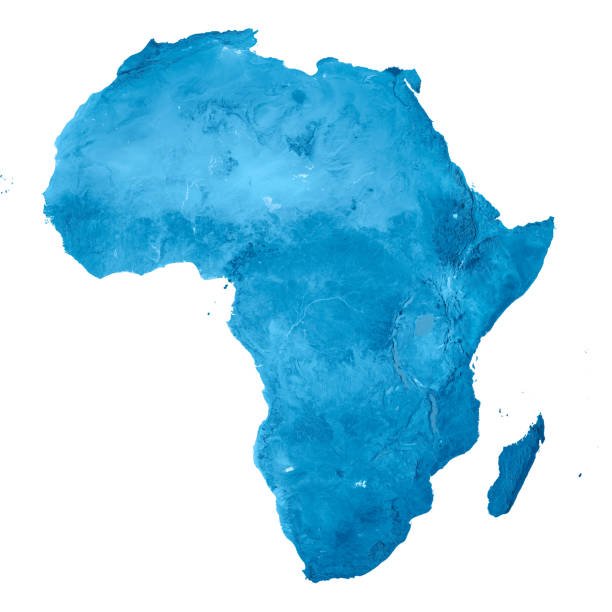
Does African food have dairy? The answer is a resounding "it depends," as the continent's culinary landscape is incredibly vast and diverse. While many traditional African dishes are naturally dairy-free and rely heavily on plant-based ingredients like grains, legumes, and vegetables, dairy products play a significant role in the diets and cuisines of specific regions and communities, particularly those with pastoralist traditions. Understanding the presence of dairy in African food requires exploring the unique culinary practices from North Africa to South Africa and everywhere in between, highlighting both its prevalence in some areas and its absence in others.
The Diverse Landscape of Dairy in African Cuisine
African cuisine is not a monolith; it's a tapestry woven from thousands of ethnic groups, distinct climates, and varied historical influences. Consequently, the role of dairy in African food varies dramatically by region, reflecting indigenous agricultural practices, historical migrations, and environmental factors.
North African Cuisine and Dairy
- In North African cuisine, influenced by Mediterranean and Middle Eastern traditions, dairy is present but not always central. Dishes often feature olive oil, but certain dairy items are notable.
- Butter (often clarified as smen in Moroccan and Algerian cooking) is used for richness and flavor in stews, couscous, and pastries. Smen, a pungent, aged clarified butter, is particularly distinctive.
- Cheese, like jben (a fresh, soft cheese usually made from cow or goat's milk), is consumed, but hard, aged cheeses are less common in traditional daily cooking compared to European cuisines.
- Yogurt and fermented milk are also consumed, often as refreshing accompaniments or in desserts like a light custard.
East African Cuisine and Dairy
- East African food stands out for its relatively high dairy consumption, especially among pastoralist communities such as the Maasai, Samburu, and Borana in countries like Kenya, Tanzania, and Ethiopia.
- Milk (cow, goat, camel) is a staple, often consumed fresh or, more commonly, fermented to enhance preservation and digestibility.
- Mala (fermented milk) is widely popular in countries like Kenya and Tanzania, valued for its tangy flavor, thick texture, and probiotic benefits. It's often drunk on its own or served with staple dishes like ugali.
- Clarified butter (similar to ghee) is used in cooking, particularly for enriching stews and vegetable dishes, and sometimes plays a role in traditional ceremonial practices.
- For many East African communities, livestock are a sign of wealth and provide essential protein, fats, and calcium, making dairy an integral part of their traditional diet.
West African Cuisine and Dairy
- West African food generally features less dairy compared to East Africa. The culinary focus here is heavily on starches (rice, yam, plantain, fufu), legumes (cowpeas), vegetables, and protein from fish, poultry, or meat.
- However, one notable exception is wara, a local soft, unripened cheese made from cow's milk, particularly popular in Nigeria and Benin. It's often deep-fried and added to soups or stews, or eaten as a snack.
- Some nomadic Fulani communities in the Sahel region of West Africa do consume milk and various fermented dairy products as part of their mobile lifestyle.
- Overall, dairy is less integrated into the everyday staple dishes of the region's diverse ethnic groups, which often prioritize robust, savory, and spicy flavors from plant-based ingredients and meats.
Southern African Cuisine and Dairy
- Southern African cuisine presents a mixed picture regarding dairy. While many traditional dishes rely on maize (pap/sadza), sorghum, and various vegetables, with meat being significant, certain dairy products hold cultural importance.
- Amasi (fermented milk or sour milk) is a beloved traditional dairy product in South Africa, particularly among the Nguni people (Zulu, Xhosa, Ndebele). It is often consumed on its own or poured over maize meal porridge (pap) for a complete and satisfying meal.
- Other forms of fresh milk and yogurt are also consumed, especially in modern diets, influenced by both indigenous traditions and historical European settlements.
Common Dairy Products Found in African Diets
When asking does African food have dairy, it’s useful to look at the specific forms of dairy that are common and how they are integrated into culinary practices across the continent:
- Fresh Milk: Consumed directly, often unpasteurized, especially in East African pastoralist cultures where it is a primary source of sustenance.
- Fermented Milk/Yogurt: This is arguably the most widespread form of dairy consumption across Africa. Products like mala (East Africa), amasi (Southern Africa), leben (North Africa/Maghreb), and various local sour milk preparations are popular. Fermentation not only aids digestion, particularly for those with lactose intolerance, but also helps preserve the milk in warmer climates where refrigeration is scarce. These products contribute a distinct tangy flavor to dishes or are enjoyed on their own.
- Traditional Cheeses: Examples include wara (West Africa) and jben (North Africa). These are typically soft, fresh, and sometimes made from goat or sheep milk, offering a mild and often salty flavor. They are usually consumed fresh or lightly cooked rather than aged.
- Clarified Butter/Ghee: Smen in North Africa is a pungent, aged clarified butter used for its deep, complex flavor. Similar clarified butter is used in parts of East Africa, not just for cooking but also in some traditional beauty practices. It provides richness and a distinctive aroma to many dishes.
Factors Influencing Dairy Consumption in Africa
Several underlying factors contribute to the varied presence of dairy in African food and the consumption patterns observed:
Genetics and Lactose Intolerance
A significant portion of the global population, particularly people of African and Asian descent, experiences lactose intolerance in adulthood. This genetic predisposition means that many individuals cannot fully digest lactose, the sugar found in milk, leading to digestive discomfort. Therefore, it's not surprising that many traditional African diets have evolved to be naturally low in or free from dairy. However, populations with long histories of pastoralism (like some East African and Fulani groups) have developed a higher prevalence of lactase persistence, allowing them to digest fresh milk more easily into adulthood.
Historical and Cultural Practices
The history of pastoralism versus settled agriculture plays a crucial role. Communities that have historically relied on livestock (cattle, goats, camels) for their livelihood, such as the Maasai, Samburu, and Fulani, naturally incorporate more dairy into their diets. In contrast, agrarian societies that focused on cultivating crops like maize, millet, yams, and cassava developed cuisines centered around plant-based staples, with dairy playing a minor or no role.
Climate and Environment
The feasibility of raising dairy animals varies across the continent. Arid and semi-arid regions might favor drought-resistant animals like camels or goats, whose milk is consumed. More temperate zones or areas with adequate rainfall can support cattle. The ability to preserve milk without refrigeration in hot climates also led to the widespread adoption of fermentation as a practical method for dairy consumption.
Colonial and Modern Influences
Colonial powers introduced some European dairy products, and globalization has since brought a wider range of packaged milk, yogurt, and cheese to urban centers across Africa. This has led to an increase in dairy consumption in certain segments of the population, sometimes alongside traditional practices, and has also diversified the types of dairy available beyond indigenous preparations.
Naturally Dairy-Free and Plant-Based African Food Options
For those wondering does African food have dairy and seeking dairy-free options, the good news is that a vast array of traditional African dishes are inherently dairy-free or easily made so. African cuisine is remarkably rich in plant-based ingredients, making it an excellent choice for vegan or dairy-intolerant individuals:
- Grains and Starches: Staples like fufu (made from cassava, yam, plantain), injera (teff bread from Ethiopia/Eritrea), ugali/pap/sadza (maize meal porridge), jollof rice, couscous, millet, and sorghum are naturally dairy-free and form the foundation of many meals.
- Legumes: Black-eyed peas (cowpeas), lentils, groundnuts (peanuts), and chickpeas are fundamental sources of protein and are extensively used in stews, soups, and pastes without the need for dairy.
- Vegetables and Fruits: A wide variety of leafy greens (collard greens, spinach, bitterleaf, cassava leaves), okra, plantains, sweet potatoes, onions, tomatoes, and peppers are central to African cooking. Fruits like mangoes, papayas, and bananas are also widely consumed.
- Nut and Seed-Based Sauces: Groundnut stew (peanut stew) is a prime example, offering a rich, creamy, and flavorful experience without any dairy whatsoever. Sesame seed paste and pumpkin seed paste are also used in various regional dishes.
Examples of Dairy-Free African Dishes:
Here are just a few examples that showcase the natural dairy-free richness of African culinary traditions:
- Jollof Rice: A quintessential West African dish, typically made with rice, tomatoes, peppers, onions, and spices, cooked in a flavorful broth. It is inherently dairy-free.
- Egusi Soup: A popular West African soup made with ground melon seeds, leafy greens (like bitterleaf or spinach), palm oil, and often meat or fish. It is entirely dairy-free and deeply savory.
- Shakshuka (North Africa/Middle East influence): While traditionally dairy-free (eggs poached in a rich tomato and pepper sauce), some modern versions might add cheese. The authentic preparation is without dairy.
- Injera with Wot (Ethiopian/Eritrean stews): Many wot (stews) are vegan (known as bayenetu or fasting food) and naturally dairy-free, featuring lentils, chickpeas, cabbage, and various vegetables in a spiced sauce.
- Kenyan Sukuma Wiki: A simple yet flavorful dish of collard greens sautéed with onions and tomatoes, a common dairy-free side dish or main.
- Moroccan Tagines: Many vegetable and meat tagines are prepared without dairy, relying on olive oil, aromatic spices, and dried fruits for their rich flavors.
- Chakalaka (South Africa): A spicy vegetable relish typically made with carrots, beans, peppers, and onions, perfect as a vibrant, dairy-free accompaniment to various meals.
Making African Dishes Dairy-Free: Tips and Substitutions
For dishes that might traditionally include a small amount of dairy, or for those adapting recipes, here are some tips for enjoying delicious dairy-free African food:
- Clarified Butter (Smen/Ghee): Substitute with good quality vegetable oil (like olive oil, sunflower oil, or palm oil, depending on the desired flavor profile) for sautéing and adding richness.
- Yogurt/Fermented Milk: In recipes where it's used as a souring agent, tenderizer, or creamy base, lemon juice, vinegar, or unsweetened plant-based yogurts (coconut, almond, or soy) can sometimes be used. Note that the flavor profile will change, so adjust accordingly.
- Cheese (Wara/Jben): For texture, fried tofu or firm plant-based cheese alternatives can be considered in contexts where a cheesy element is desired, though the traditional flavor will naturally differ. Many dishes simply don't require cheese and are robust enough without it.
The core of African cooking often lies in its vibrant spices, herbs, and natural ingredients, making it remarkably adaptable for those avoiding dairy without sacrificing flavor.
The Nutritional Aspect of Dairy in African Diets
Where dairy is traditionally consumed, it provides essential nutrients that contribute significantly to the diet. Milk consumption in Africa, particularly in pastoralist communities, contributes to:
- Protein: A vital macronutrient for growth, muscle repair, and overall body function.
- Calcium: Important for bone health, teeth, and nerve function, especially in communities where other calcium sources may be limited.
- Vitamins: Including Vitamin B12, essential for nerve function and blood cell formation, and Vitamin D (if fortified or from sun exposure), crucial for calcium absorption.
- Fats: Provide concentrated energy and aid in the absorption of fat-soluble vitamins (A, D, E, K).
However, for the majority of the population who are lactose intolerant or live in regions where dairy is not traditionally consumed, these vital nutrients are successfully obtained from a diverse range of plant-based sources, including legumes, leafy greens, fortified foods, and various meats and fish, showcasing the nutritional completeness of varied African diets.
Conclusion
In conclusion, the question "Does African food have dairy?" reveals a complex and fascinating culinary landscape shaped by geography, culture, history, and genetics. While some regions, particularly East Africa and parts of North and South Africa, distinctly incorporate dairy products like fresh milk, fermented milk, and traditional cheeses into their diets, a vast proportion of African cuisine is inherently dairy-free and plant-based. The continent's incredible culinary diversity means that whether you're seeking dishes rich in dairy or entirely free from it, you'll find an incredible array of flavorful, nutritious, and deeply satisfying options. The emphasis on wholesome grains, hearty legumes, fresh vegetables, and unique spices ensures that African food offers something for every palate and dietary preference, making it accessible and enjoyable for a global audience.
Enjoyed this read?
Share it with your friends and colleagues.