Does African Food Make You Thick

BSC Insights Admin
September 30, 2026
Does African Food Make You Thick? Debunking Myths and Understanding Nutrition
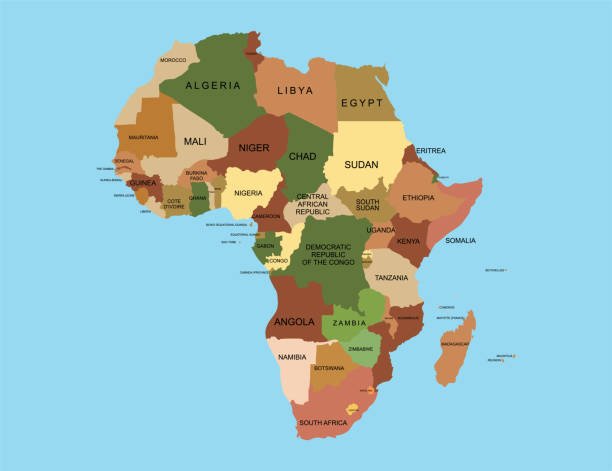
The question of whether African food makes you 'thick' or leads to weight gain is a common one, but the answer is far from a simple yes or no. African cuisine is incredibly diverse and vibrant, spanning 54 countries with unique culinary traditions, ingredients, and cooking methods. While some traditional African dishes, when consumed in large portions or prepared with excessive fats, can contribute to weight gain, the vast majority of indigenous African foods are inherently nutritious, rich in fiber, and packed with essential vitamins and minerals, promoting overall health and well-being rather than automatically making one 'thick'.
Understanding the impact of African food on your body requires looking beyond generalized assumptions and delving into the specifics of regional diets, ingredients, and modern adaptations of traditional meals. It's not the food itself that's the culprit, but often the preparation, portion sizes, and individual lifestyle choices that influence weight management.
Understanding 'African Food': A Continent of Culinary Diversity
To ask 'Does African food make you thick?' is akin to asking if 'European food' makes you thick – the term 'African food' encompasses an immense variety. The continent boasts a spectrum of culinary traditions, from the spice-rich tagines of North Africa to the starchy staples and flavorful stews of West and Central Africa, and the vegetable-heavy diets of East and Southern Africa. Each region leverages its unique agricultural bounty, cultural heritage, and historical influences to create distinct and delicious dishes.
- North Africa: Characterized by couscous, tagines, and an abundance of spices like cumin, coriander, and turmeric. Olive oil is a prevalent fat.
- West Africa: Known for starchy staples such as fufu, banku, garri, and yam, often served with rich, palm oil-based soups and stews.
- Central Africa: Features staples like plantain, cassava, and groundnuts, with dishes like 'moambe' (chicken in palm nut sauce).
- East Africa: Ugali (cornmeal porridge) is a common staple, accompanied by leafy greens (sukuma wiki) and various meats. Ethiopian cuisine is famous for injera and flavorful 'wots' (stews).
- Southern Africa: 'Pap' (cornmeal porridge) is central, often served with 'chakalaka' (spicy vegetable relish) and grilled meats.
This immense diversity means that the nutritional profile and caloric density can vary significantly from one dish to another, making generalizations about African diet and weight gain misleading.
Common Staples and Their Nutritional Profiles
Many traditional African diets are built around a foundation of nutrient-dense, plant-based foods. These staples provide sustained energy and vital nutrients, forming the core of healthy African dishes.
- Grains: Millet, sorghum, teff, maize (corn), and rice are fundamental. These provide complex carbohydrates, fiber, and often protein. For instance, teff, common in Ethiopian cuisine, is a gluten-free grain rich in iron and calcium.
- Tubers: Yam, cassava, and plantains are significant sources of carbohydrates. While energy-dense, they also offer fiber and various vitamins. Cassava, for example, is a primary source of energy for millions.
- Legumes: Beans, lentils, and groundnuts (peanuts) are excellent sources of plant-based protein and fiber, crucial for satiety and digestive health.
- Vegetables & Fruits: A vast array of indigenous leafy greens (e.g., bitter leaf, spinach, jute mallow), okra, tomatoes, onions, and various fruits provide vitamins, minerals, and antioxidants. These are often integral to stews and soups, boosting nutrient content.
- Proteins: Fish (fresh and dried), chicken, goat, beef, and occasionally bushmeat are common protein sources. These are typically cooked into stews or grilled, providing essential amino acids.
A diet rich in these minimally processed ingredients, as is traditional in many African cultures, is naturally supportive of a healthy weight and overall well-being. The key is in how these indigenous ingredients are prepared and consumed.
Traditional African Cooking Methods and Their Impact on Health
Historically, many African cooking methods emphasized techniques that preserved nutrients and minimized unhealthy fats. These traditional practices offer insights into enjoying African food for weight management.
- Boiling and Steaming: Many vegetables, grains, and tubers are boiled or steamed, which helps retain nutrients and avoids adding extra fats.
- Simmering: Stews and soups are typically simmered for long periods, allowing flavors to meld and ingredients to soften, often requiring minimal oil when prepared traditionally.
- Grilling and Roasting: Meats and fish are often grilled or roasted, providing lean protein without excessive oil.
- Fermentation: Many staples, like cassava (for garri) and millet, undergo fermentation, which can enhance nutrient availability and digestibility.
The issue often arises when traditional methods are replaced or augmented with modern, less healthy practices, such as excessive frying or the use of refined, hydrogenated oils in large quantities, which can significantly increase the caloric density of dishes and contribute to the perception that African cuisine causes weight gain.
The 'Thick' Factor: What Actually Contributes to Weight Gain?
If traditional African food is inherently healthy, why do some people associate it with becoming 'thick' or gaining weight? The answer lies in several factors, often related to modern lifestyle changes and adaptations of traditional cooking.
1. Portion Control of Starchy Staples
Many African meals center around a large portion of a starchy carbohydrate – fufu, banku, ugali, pap, rice, or yam – served alongside a soup or stew. While these staples provide energy, consuming excessively large portions, especially when paired with rich, oily stews, can lead to a caloric surplus. Understanding African food and weight means recognizing that even healthy carbs can contribute to weight gain if over-consumed.
2. High Oil Content in Some Preparations
Palm oil, groundnut oil, and other vegetable oils are integral to many African stews and sauces, especially in West and Central Africa, providing flavor and richness. While healthy fats are essential, excessive use of oil significantly increases the caloric density of a dish. For example, a generous amount of palm oil in an egusi or okra soup can quickly elevate its calorie count.
3. Sugary Beverages and Processed Foods
As with many global cuisines, the infiltration of sugary drinks and processed foods into the African diet has contributed to a rise in calorie intake and reduced nutritional quality. These modern additions, rather than traditional meals, are often significant drivers of weight gain.
4. Reduced Physical Activity
Traditional African lifestyles were often agrarian, involving significant physical labor that naturally burned off calories from energy-dense meals. Modern, urban lifestyles are often more sedentary, meaning the same quantity of food can lead to weight gain if not balanced with sufficient physical activity.
5. Cultural Significance and Celebration
Food in African cultures is deeply tied to celebration, hospitality, and community. During festivities, it's common to consume larger portions and richer foods, which, while enjoyable, can contribute to weight creep if these habits become regular rather than occasional.
Debunking Myths: The Health Benefits of African Cuisine
Far from being inherently 'thickening,' many aspects of African cuisine offer significant health benefits, making it an excellent choice for a balanced diet when prepared mindfully.
- Rich in Fiber: The heavy reliance on whole grains, tubers, legumes, and vegetables means African diets are typically very high in dietary fiber. Fiber is crucial for digestive health, promoting satiety, regulating blood sugar, and potentially reducing the risk of chronic diseases.
- Abundant Micronutrients: Traditional African dishes are often packed with vitamins and minerals from a wide variety of vegetables, fruits, and fortified staples. For example, leafy greens like 'kontomire' (cocoyam leaves) or 'ugu' (fluted pumpkin leaves) are powerhouses of vitamins A, C, and K, and essential minerals.
- Lean Protein Sources: Fish, poultry, and lean meats, prepared in stews or grilled, provide high-quality protein necessary for muscle maintenance and satiety. Legumes offer excellent plant-based protein alternatives.
- Healthy Fats (in moderation): Oils like palm oil (red palm oil, in particular) are rich in antioxidants and vitamin E. When used in appropriate amounts, they contribute healthy fats to the diet.
- Antioxidants and Anti-inflammatory Compounds: Many traditional spices and herbs used in African cooking (e.g., ginger, garlic, turmeric, hot peppers) possess potent antioxidant and anti-inflammatory properties, contributing to overall health.
Consider the example of Ethiopian cuisine, where injera (fermented teff bread) is served with a variety of lentil, vegetable, and meat 'wots'. This meal provides a balanced intake of complex carbohydrates, protein, fiber, and diverse micronutrients.
Making African Food Part of a Healthy Diet
Enjoying the rich flavors and nutritional benefits of African food without contributing to unwanted weight gain is entirely achievable with a few mindful adjustments. This approach embraces healthy African eating and helps in weight management.
| Recommendation | How to Implement | Benefit |
|---|---|---|
| Mindful Portion Control | Reduce the size of your starchy staple (e.g., fufu, ugali, rice) by half and increase your vegetable/soup portion. | Controls calorie intake, increases fiber. |
| Prioritize Vegetables | Ensure your plate is at least half-filled with leafy greens, okra, tomatoes, etc., from your soup or as a side. | Boosts nutrient intake, adds volume for satiety with fewer calories. |
| Reduce Oil Content | When cooking at home, use less oil than traditionally called for. Drain excess oil from stews. Opt for grilling/baking over frying. | Significantly lowers caloric density. |
| Choose Lean Proteins | Opt for fish, chicken (skinless), or lean cuts of beef/goat in your stews. Include more legumes. | Provides essential protein without excessive saturated fat. |
| Hydrate with Water | Replace sugary drinks with water or unsweetened herbal teas. | Reduces empty calories, aids digestion. |
| Stay Active | Incorporate regular physical activity to balance calorie intake, especially if consuming energy-dense meals. | Burns calories, improves metabolism, enhances overall health. |
For example, if you're having Jollof Rice, ensure it's not overly oily and pair it with a generous portion of grilled chicken or fish and a side salad or steamed vegetables. When enjoying a starchy staple like yam or plantain, balance it with a hearty, vegetable-rich soup that has been prepared with minimal oil.
The Role of Culture and Lifestyle in African Food and Weight
Beyond individual dietary choices, it's crucial to acknowledge the broader cultural and lifestyle context. In many African societies, food is communal, celebratory, and an expression of hospitality. This can sometimes lead to pressure to consume large quantities, especially during social gatherings. Additionally, as urbanization and globalization progress, there's a shift from traditional, active lifestyles to more sedentary ones, often accompanied by an increased availability of processed foods and fast food options, which further complicate modern African diet and health trends.
Educating oneself about the nutritional value of traditional ingredients and adapting cooking methods to suit a modern, less active lifestyle are key steps. It's about preserving the rich heritage and deliciousness of African cuisine while making informed choices for health.
Conclusion
So, does African food make you thick? The definitive answer is no, not inherently. Traditional African cuisine, with its emphasis on whole grains, tubers, legumes, fresh vegetables, and lean proteins, is incredibly nutritious and can be a vital part of a healthy diet. The perception of African food leading to weight gain often stems from factors like excessive portion sizes of energy-dense staples, liberal use of cooking oils, and a shift towards more sedentary lifestyles, compounded by the availability of processed foods. By embracing mindful eating, controlling portions, opting for leaner preparations, and balancing meals with ample vegetables and activity, you can enjoy the vibrant and delicious world of African food while maintaining a healthy weight and experiencing its myriad health benefits. It's all about making informed choices to harness the power of this rich and diverse culinary heritage for your well-being.
Enjoyed this read?
Share it with your friends and colleagues.