Does African Food Make You Poop

BSC Insights Admin
September 30, 2026
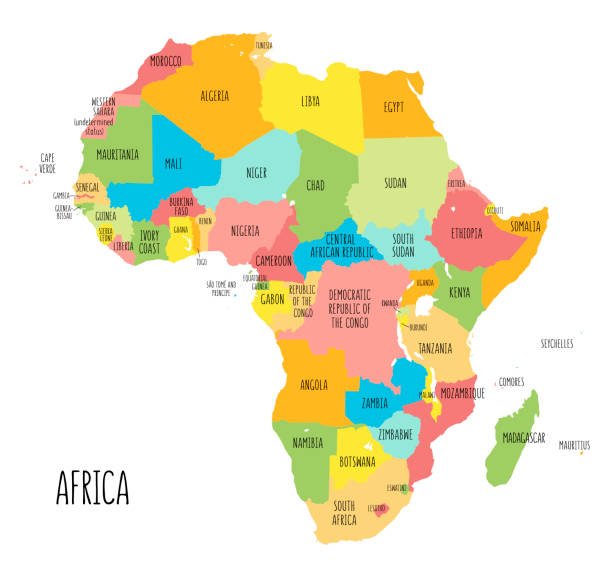
When considering whether African food makes you poop, the answer is often a resounding yes, but in a healthy, beneficial way. Traditional African cuisine is typically rich in dietary fiber, fermented ingredients, and a diverse array of plant-based foods, all of which are well-known for supporting healthy digestion and regular bowel movements. Far from causing discomfort, these culinary traditions often contribute positively to gut health and overall well-being, helping your digestive system function efficiently.
The Digestive Powerhouse: Fiber in African Cuisine
One of the primary reasons African food promotes regular bowel movements is its high fiber content. Dietary fiber is an essential component of a healthy diet, playing a crucial role in maintaining digestive regularity. It adds bulk to stool, facilitating its passage through the intestines and preventing constipation.
Common High-Fiber African Ingredients
- Grains: Staple grains across the continent, such as millet, sorghum, teff, and maize (corn), are often consumed in their whole form, providing significant amounts of fiber. Dishes like Ugali (East Africa), Sadza (Southern Africa), Banku (West Africa), and Injera (Ethiopia/Eritrea) are made from these grains.
- Legumes: Beans, lentils, and peas are widely incorporated into African cooking. These are excellent sources of both soluble and insoluble fiber. Think of dishes like black-eyed peas, pigeon peas, and various bean stews, which are central to many African diets.
- Tubers and Root Vegetables: Yams, cassava, sweet potatoes, and plantains are common carbohydrate sources that also contribute dietary fiber. They are often boiled, pounded, or roasted and served as accompaniments to stews.
- Leafy Greens and Vegetables: A vast array of indigenous leafy greens (e.g., collard greens, bitter leaf, jute mallow) and vegetables are integral to African meals. These are packed with fiber, vitamins, and minerals, further enhancing digestive health.
Consuming a diet rich in these ingredients naturally increases your daily fiber intake, which is a key factor in promoting consistent and healthy bowel function. This emphasis on whole, unprocessed foods means that traditional African diets are often inherently good for colon health.
Beyond Fiber: Other Factors Influencing Digestion
While fiber is a major player, several other characteristics of African cuisine contribute to its digestive impact.
Hydration and Water-Rich Foods
Many African dishes, especially stews and soups, have a high water content. Adequate hydration is critical for fiber to work effectively; it helps soften stool and allows it to pass more easily. Furthermore, the consumption of fresh fruits and vegetables often found in African diets contributes to overall fluid intake, which is essential for preventing dehydration and supporting bowel regularity.
The Role of Fermented Foods
Fermented foods are a traditional part of many African diets and are gaining recognition for their probiotic benefits. Probiotics are beneficial bacteria that contribute to a healthy gut microbiome, which is crucial for digestion, nutrient absorption, and immune function.
- Fermented Porridges: Across Africa, various fermented porridges made from millet, sorghum, or maize are consumed, particularly for breakfast or as a light meal. Examples include ogi or pap in West Africa, and uji in East Africa.
- Fermented Beverages: Traditional fermented drinks, often made from grains or fruits, also introduce beneficial microbes to the digestive system.
The regular inclusion of these foods can enhance the diversity of gut bacteria, leading to improved digestive efficiency and potentially reducing issues like bloating and irregular bowel movements. This highlights how probiotics in African fermented foods contribute to a robust digestive system.
Spices, Herbs, and Their Digestive Effects
African cuisine is renowned for its vibrant use of spices and herbs. Many of these ingredients possess properties that can influence digestion.
- Ginger: Widely used, ginger is known to aid digestion, reduce nausea, and stimulate gastrointestinal motility.
- Chili Peppers: Found in many spicy African dishes, capsaicin in chili peppers can stimulate intestinal contractions, which might speed up bowel transit for some individuals. However, for those with sensitive stomachs, excessive spice can sometimes lead to irritation.
- Turmeric: Known for its anti-inflammatory properties, turmeric can support gut health.
- Garlic and Onions: These common aromatics contain prebiotics that feed beneficial gut bacteria.
The careful balance of these ingredients often contributes positively to digestive processes, making digestive effects of African spices generally beneficial when consumed in moderation.
Regional Diversity and Digestive Impact
Africa is a vast continent with diverse culinary traditions. While general principles apply, specific regional diets can have slightly different digestive impacts.
West African Cuisine
Characterized by starchy staples like fufu, banku, and garri, often accompanied by rich, spicy stews (e.g., Egusi soup, Jollof rice with various meats and vegetables). The high fiber from plantains, yams, and leafy greens, combined with the often generous use of chili and other spices, can stimulate digestion. The oil content in some stews can also affect transit time.
East African Cuisine
Features grains like injera (teff), ugali (cornmeal), and rice, alongside legumes, vegetables, and sometimes dairy products (especially among pastoralist communities). Dishes tend to be less intensely spicy than West African counterparts, but still rich in fiber from whole grains and vegetables. Fermented porridges are common, contributing probiotics.
North African Cuisine
Influenced by Mediterranean and Middle Eastern culinary traditions, featuring couscous, tagines, and an abundance of vegetables, legumes, and lean meats. Spices like cumin, coriander, and turmeric are prominent. This diet is generally considered very healthy and conducive to good digestion due to its high fiber and vegetable content.
Southern African Cuisine
Maize is a dominant staple (sadza/pap), often served with meat, leafy greens (like morogo), and various relishes. Legumes are also common. While some dishes can be rich, the overall emphasis on fresh vegetables and fiber-rich maize contributes to digestive health.
Across these regions, the emphasis on whole, natural ingredients, often prepared freshly, forms the bedrock of healthy African recipes for digestion.
Addressing the "Too Much Poop" or "Irritation" Concern
While African food is generally good for colon health and promotes regularity, some individuals might experience initial changes in bowel habits or even irritation, particularly if they are not accustomed to such a diet.
Dietary Transition
If you typically consume a low-fiber diet and suddenly switch to a high-fiber African diet, your digestive system may need time to adjust. This can temporarily lead to increased gas, bloating, or more frequent bowel movements as your body adapts. This is usually a sign that your gut microbes are adjusting and breaking down the new influx of fiber effectively.
Sensitivity to Spices
For individuals with sensitive stomachs or conditions like IBS, very spicy dishes might cause irritation or discomfort, potentially leading to loose stools. It's important to understand your personal tolerance for chili and other strong spices.
Individual Variation
Everyone's digestive system is unique. What works well for one person might cause a different reaction in another. Factors like gut microbiome composition, existing health conditions, and overall lifestyle play a role.
However, these are usually temporary adjustments or sensitivities rather than inherent problems with African cuisine and digestion. For most people, the digestive impact is overwhelmingly positive.
Nutritional Benefits for Gut Health
Beyond simply promoting bowel movements, African food offers numerous nutritional benefits for gut health:
- Prebiotic Fibers: Many ingredients, like yams, plantains, and certain greens, contain prebiotic fibers that feed beneficial gut bacteria, fostering a diverse and healthy microbiome.
- Vitamins and Minerals: The abundance of fresh vegetables, fruits, and legumes provides essential vitamins (e.g., Vitamin C, B vitamins) and minerals (e.g., magnesium, potassium) that support overall physiological function, including digestive processes.
- Antioxidants: Many African foods and spices are rich in antioxidants, which help reduce inflammation and protect gut cells from damage.
- Lean Proteins: When meat is consumed, it is often in moderation and part of a balanced meal, contributing to nutrient intake without overwhelming the digestive system, especially when paired with fiber-rich sides.
These combined elements make African food a healthy choice for digestion and overall well-being.
Tips for a Healthy Digestive Experience with African Food
To maximize the digestive benefits and minimize any potential discomfort when enjoying African food, consider these tips:
- Start Gradually: If you're new to high-fiber diets, introduce African foods slowly to allow your digestive system to adapt.
- Stay Hydrated: Drink plenty of water throughout the day, especially when consuming fiber-rich meals, to aid in smooth digestion.
- Listen to Your Body: Pay attention to how different dishes and spices affect you. Adjust your intake of very spicy foods if you experience irritation.
- Chew Thoroughly: Proper chewing is the first step in digestion. It breaks down food into smaller particles, making it easier for enzymes to process.
- Balance Your Plate: Aim for meals that include a variety of ingredients: whole grains or tubers, legumes, and plenty of vegetables.
- Explore Fermented Options: Incorporate traditional fermented foods and drinks to boost your gut microbiome.
Conclusion
In conclusion, the question "does African food make you poop?" can generally be answered affirmatively, as the high fiber content, presence of fermented ingredients, and diverse plant-based components in traditional African diets are highly conducive to promoting regular and healthy bowel movements. Far from causing problems, the emphasis on whole grains, legumes, vegetables, and traditional preparation methods typically supports excellent gut health. While individual sensitivities to spices or initial adjustments to a high-fiber diet may occur, African cuisine is overwhelmingly a nutritious and beneficial choice for those seeking to enhance their digestive well-being and maintain a healthy colon.
Enjoyed this read?
Share it with your friends and colleagues.