Did African Kings Wear Crowns

BSC Insights Admin
September 30, 2026
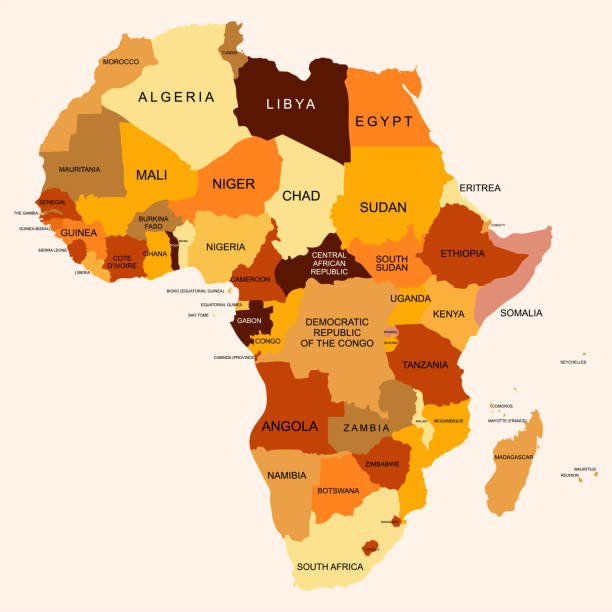
Yes, African kings absolutely wore crowns and elaborate headwear, though their forms, materials, and symbolic meanings often differed significantly from the jeweled metal circlets typically associated with European monarchs. Across the diverse continent of Africa, royal headwear served not merely as an adornment but as a powerful symbol of spiritual authority, political legitimacy, wealth, and cultural identity for traditional rulers and monarchs.
Beyond the European Crown: A Spectrum of African Royal Headwear
The perception of a "crown" is largely shaped by Western iconography, conjuring images of gold, jewels, and heraldic designs. However, to understand African royal regalia, one must broaden this definition to encompass a vast array of sophisticated, culturally significant headwear. These items were meticulously crafted, often imbued with spiritual power, and represented the pinnacle of artistic and symbolic expression within each kingdom.
For many African societies, the head is considered the seat of spiritual power, wisdom, and destiny. Therefore, the adornment of a ruler's head was paramount, reflecting their divine connection to ancestors, gods, and the very cosmos. These headpieces were not just accessories; they were central to a ruler's identity and their people's understanding of their authority.
Materials and Craftsmanship: The Essence of Royal Adornment
The materials used in crafting traditional African headwear were chosen for their rarity, beauty, and often, their symbolic or mystical properties. The craftsmanship involved was highly specialized, passed down through generations of artisans.
- Gold: Prevalent in West African empires like the Ashanti of Ghana, where gold was considered the soul of the nation. Ashantihene kings wore elaborate gold-plated headpieces, sometimes adorned with intricate 'adinkra' symbols, signifying proverbs and concepts.
- Beads: Particularly significant among the Yoruba of Nigeria, whose 'ade' (beaded crowns) are world-renowned. These crowns are densely covered in thousands of tiny glass beads, often featuring bird motifs, veils, and human faces, symbolizing divine authority and ancestral wisdom.
- Feathers: Used across various cultures, from the Maasai of East Africa to Zulu kings in the South. Feathers, especially from powerful birds like eagles or ostriches, represented strength, flight, and a connection to the spiritual realm or the heavens.
- Ivory and Animal Skins: Elephant ivory, lion skins, or leopard skins were reserved for royalty due to their rarity and association with powerful animals. These materials conveyed strength, leadership, and the ruler's dominion over the natural world.
- Shells and Cowries: Cowrie shells, once a form of currency, were often integrated into royal headwear, signifying wealth and prosperity.
- Intricate Textiles and Cloth: Elaborate woven fabrics, sometimes embroidered or dyed with special patterns, formed the basis or primary component of many royal headpieces, showcasing the kingdom's artistic prowess.
Regional Diversity: Examples of African Royal Regalia
The sheer variety of African royal regalia is a testament to the continent's cultural richness. Let's explore some prominent examples from different regions.
West African Kings and Their Crowns
West Africa boasts some of the most recognizable and symbolically rich royal headwear.
The Ashantihene of Ghana: Golden Splendor
The Ashantihene, the ruler of the Asante people in Ghana, is synonymous with gold. Their regalia, including magnificent crowns and headpieces, are predominantly made of gold. These aren't solid metal circlets but often intricate constructions of gold-plated wood or metal, sometimes featuring complex filigree work and symbolic figures. The 'Adinkra' symbols, representing proverbs or concepts, are often incorporated, adding layers of meaning. When the Ashantihene appears in public, his headwear is just one part of an overwhelming display of gold, symbolizing the spiritual purity and wealth of the Asante nation.
Yoruba Obas of Nigeria: Beaded Crowns of Divine Power
Perhaps the most iconic African crowns are the 'ade' of the Yoruba Obas (kings) of Nigeria. These spectacular conical or cylindrical crowns are entirely covered in thousands of intricate glass beads. A key feature is the veil of beads that hangs over the monarch's face, symbolizing the sacredness of the king and protecting the viewer from the intensity of his divine gaze. Often, a bird motif, particularly the 'eke-orisa' or a larger bird at the apex, signifies the spiritual connection between the king and the deities. Each bead is said to contain a fragment of divine essence, making the crown a direct conduit to the spiritual realm and the ancestors.
The specific designs, colors, and motifs on Yoruba beaded crowns often convey the lineage of the Oba, the history of his town, and his unique relationship with the deities. They are not merely inherited but are ritually consecrated and are considered living entities of immense power.
Benin Empire: Coral and Bronze Grandeur
The Obas of the ancient Benin Empire (present-day Nigeria) also wore impressive crowns and headpieces, often incorporating valuable coral beads. The artistry of Benin is legendary, particularly their bronzes. While less frequently depicted than the famed plaques, their royal headwear was equally significant, demonstrating immense wealth and the king's authority, often adorned with symbolic imagery of power and protection.
East African Monarchs: Imperial and Traditional Headwear
East Africa presented a different array of royal headwear, blending indigenous traditions with external influences.
Ethiopian Emperors: Majestic Imperial Crowns
The emperors of Ethiopia, tracing their lineage back to King Solomon and the Queen of Sheba, wore highly ornate imperial crowns. These were often made of gold, silver, and precious stones, showcasing influences from Byzantine and European Christian traditions, alongside indigenous Ethiopian designs. The crowns, often resembling those of European monarchs in form, were central to the state's legitimacy and its strong connection to the Ethiopian Orthodox Tewahedo Church. They symbolized the emperor's divine right to rule and his role as a protector of the faith.
Buganda Kabakas: Emblematic Caps
In the Kingdom of Buganda (Uganda), the Kabaka (king) traditionally wore distinctive caps, often resembling a fez or a turban, sometimes adorned with intricate embroidery, beads, or other royal emblems. While not always a 'crown' in the European sense, these headpieces were clearly designated as royal attire, distinguishing the Kabaka from his subjects and signifying his supreme authority.
Southern African Kings: Feathers, Beads, and Warrior Symbolism
Royal headwear in Southern Africa often incorporated elements that spoke to warrior prowess, spiritual connection to nature, and community leadership.
Zulu Kings: Powerful Headpieces of Leadership
The Zulu kings of South Africa wore elaborate headpieces that were less about glittering jewels and more about powerful natural elements. These might include impressive arrays of feathers from specific birds, animal skins (such as leopard or lion), and intricate beadwork. These headpieces symbolized the king's strength, his connection to the animal kingdom, his role as a warrior leader, and his spiritual authority. They were an integral part of their ceremonial attire, reflecting the deep cultural values of the Zulu nation.
Swazi Kings: Emblems of Sovereignty
Similar to the Zulu, the monarchs of Eswatini (formerly Swaziland) wear distinctive headpieces as part of their royal regalia. These often incorporate feathers and other natural elements, signifying their spiritual connection to the land and their people, and their role as supreme leaders. The specific design and materials are steeped in Swazi tradition and ritual.
North African Rulers: Ancient Dynasties and Iconic Headdresses
North Africa, particularly ancient Egypt, offers some of the oldest and most recognizable forms of royal headwear.
Ancient Egyptian Pharaohs: The Crowns of the Gods
The pharaohs of ancient Egypt wore a variety of iconic headdresses and crowns, each laden with specific symbolism. These were undoubtedly forms of royal headwear, though perhaps not always "crowns" in the modern sense. Key examples include:
- The Double Crown (Pschent): A combination of the White Crown of Upper Egypt and the Red Crown of Lower Egypt, symbolizing the pharaoh's unified rule over both lands.
- The Atef Crown: A tall, plumed crown worn by Osiris and later by pharaohs, symbolizing divine authority.
- The Nemes Headdress: The striped cloth headdress, often depicted with the Uraeus (cobra) symbol on the forehead, was a powerful symbol of kingship and divine protection. It was commonly worn, as seen on Tutankhamun's famous burial mask.
- The Blue Crown (Khepresh): Often worn in battle or during specific ceremonies, it was sometimes adorned with the Uraeus and symbolized the pharaoh's military power and renewed vitality.
These elaborate headpieces were crucial visual identifiers of the pharaoh's divine status and absolute power, demonstrating that African kings wore sophisticated and symbolic headwear from antiquity.
Nubian Kings: Distinctive Crowns of Kush
The kings of ancient Nubia (Kush), south of Egypt, also wore distinctive crowns, often featuring ram's head motifs (associated with the god Amun) or the Uraeus, sometimes multiple ones, reflecting their unique cultural and religious practices while also showing Egyptian influence.
The Symbolism and Power of African Royal Headwear
Regardless of their specific form, African crowns and royal headwear were potent symbols of a monarch's multifaceted role:
- Divine Connection and Spiritual Authority: Many African kings were considered sacred or semi-divine, acting as intermediaries between the living and the ancestors or gods. Their crowns often contained elements believed to channel spiritual energy or protect against malevolent forces.
- Political Power and Legitimacy: The regalia was a visible manifestation of the king's right to rule, derived from lineage, conquest, or divine mandate. Wearing the crown solidified their position as the supreme authority.
- Wealth and Status: The use of rare, precious, or difficult-to-obtain materials (gold, ivory, rare feathers, countless beads) showcased the kingdom's prosperity and the king's ability to command resources.
- Cultural Identity: Each crown was unique to its people, reflecting their history, cosmology, and artistic traditions. It was a unifying symbol for the community.
- Protection and Mystical Properties: Beyond mere decoration, many headpieces were believed to offer spiritual protection to the wearer, shielding them from harm or enhancing their wisdom and discernment.
The rituals surrounding the creation, wearing, and preservation of these royal headpieces were as significant as the objects themselves, underscoring their profound cultural and political importance.
Comparison: African vs. European Crowns
While both African and European kings wore crowns as paramount symbols of royalty, there are notable distinctions:
| Feature | African Royal Headwear | European Crowns |
|---|---|---|
| Primary Materials | Gold, beads, feathers, animal skins, ivory, intricate textiles, shells | Gold, silver, precious gemstones (diamonds, rubies, emeralds), pearls |
| Form & Structure | Highly diverse: conical, cylindrical, cap-like, elaborate feathered arrangements, sculptural forms, veiled | Typically circlets with arches, often surmounted by an orb and cross; less varied in fundamental structure |
| Core Symbolism | Divine intermediary, ancestral connection, spiritual protection, wealth, cultural identity, warrior status | Divine right of kings, imperial power, wealth, inherited legitimacy, Christian symbolism (orb and cross) |
| Function | Visible manifestation of sacred power, cultural identity, and leadership; often integral to rituals | Symbol of sovereignty and state power, often used in coronations and state occasions |
| Aesthetic Focus | Often emphasizes texture, form, and symbolic motifs derived from nature, cosmology, or abstract patterns | Emphasizes sparkle, preciousness, heraldry, and grandeur through metalwork and gem settings |
Despite these differences, the underlying function remains the same: to distinguish the monarch, affirm their supreme authority, and connect them to a source of power beyond the ordinary.
Preservation and Modern Relevance of African Royal Regalia
In many parts of Africa today, traditional rulers continue to play vital roles in their communities, even within modern nation-states. Many still wear their ancestral African royal regalia, including traditional crowns and headpieces, during ceremonies, festivals, and important cultural events. These displays serve to reinforce cultural identity, maintain historical continuity, and uphold the traditions of their people.
Additionally, many of these magnificent artifacts are preserved in museums worldwide, both in Africa and internationally, serving as invaluable historical documents and artistic masterpieces. Efforts are ongoing to repatriate some of these cultural treasures to their countries of origin, allowing for their display and study within the contexts they were created for, thereby enriching the understanding of African cultural heritage and the profound artistry of its kingdoms.
Understanding the history and significance of these royal adornments offers a deeper appreciation for the diverse forms of leadership, belief systems, and artistic expressions that have flourished across the African continent for millennia. It corrects simplistic narratives and highlights the sophisticated visual language used by African traditional rulers to express power, spirituality, and identity.
Conclusion: The Enduring Legacy of African Royal Headwear
In conclusion, the question "Did African kings wear crowns?" can be resoundingly answered with a definitive yes, albeit with the crucial understanding that "crowns" encompassed a spectacular and diverse array of royal headwear. Far from being mere decorative items, these elaborate creations—fashioned from gold, beads, feathers, animal skins, and precious textiles—were potent symbols of divine authority, political power, spiritual connection, and cultural identity. From the golden regalia of the Ashantihene to the beaded 'ade' of the Yoruba Obas, the iconic headdresses of ancient Egyptian pharaohs, and the feather-adorned headpieces of Zulu kings, African kings and monarchs expressed their sovereignty through incredibly rich and varied forms of headwear. These magnificent artifacts stand as enduring testaments to the sophisticated artistry, deep spiritual beliefs, and complex political structures that characterized the great kingdoms and empires throughout Africa's long and illustrious history.
Enjoyed this read?
Share it with your friends and colleagues.