Did African Kings Support Slavery

BSC Insights Admin
October 01, 2026
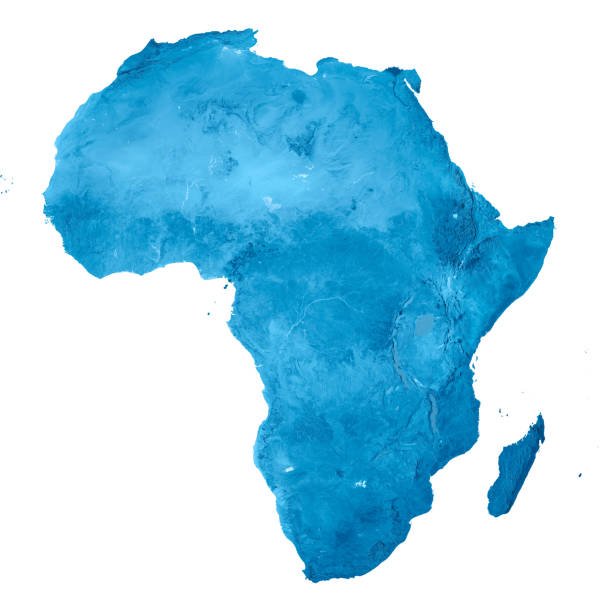
The question of whether African kings supported slavery is complex and requires a nuanced understanding of historical contexts, differentiating between indigenous forms of servitude and the brutal transatlantic chattel slavery. The simple answer is that, yes, some African kings and rulers did participate in the slave trade, often driven by a combination of economic incentives, political power struggles, and pre-existing systems of servitude that were then exploited by European demand.
However, it is crucial to understand that African involvement did not initiate the transatlantic slave trade, nor did it equate to a uniform continent-wide endorsement. The nature of 'slavery' in pre-colonial Africa was often distinct from the hereditary, race-based, and dehumanizing chattel slavery that characterized the transatlantic system, which stripped individuals of their humanity and legal rights permanently.
Understanding Pre-Colonial African Systems of Servitude
Before the advent of European traders seeking human cargo for the Americas, various forms of servitude existed across Africa. These systems were diverse and varied significantly from one kingdom or community to another, but generally differed fundamentally from transatlantic slavery.
Forms of Indigenous African Servitude
- Debt Bondage: Individuals might become indentured servants to pay off debts, often for a defined period, and their descendants were not necessarily bound by the same terms.
- War Captives: People captured during inter-ethnic or inter-kingdom warfare could be integrated into the victorious society as servants, soldiers, or even advisors, sometimes with the possibility of upward mobility and eventual freedom.
- Criminal Punishment: As a form of justice, individuals who committed crimes might be enslaved for a period, rather than facing execution.
- Pawnship: A person might be given as collateral for a loan, with their labor serving as interest. Once the loan was repaid, the person was freed.
- Family or Kinship-based Servitude: In some cases, individuals might enter servitude due to extreme poverty or famine, trading their labor for protection and sustenance within a family or clan.
Key distinctions of these pre-colonial forms of servitude from transatlantic chattel slavery include:
- Non-hereditary: Servitude was often not passed down through generations. Children of enslaved persons might be born free.
- Not race-based: Enslaved people were typically from neighboring ethnic groups or war captives, not a distinct racial category.
- Possibility of integration: Enslaved individuals could often marry into the host community, own property, attain positions of influence, or gain their freedom.
- Humanity maintained: While their freedom was restricted, their fundamental humanity and often their legal rights were generally recognized, unlike the complete dehumanization under chattel slavery.
The Rise of the Transatlantic Slave Trade and African Involvement
The demand for labor in the newly established plantations in the Americas, particularly for sugar, tobacco, and cotton, drove the exponential growth of the transatlantic slave trade from the 16th to the 19th centuries. This massive demand transformed existing African systems and created new, far more brutal ones.
European Demand and Economic Incentives
European traders did not raid the African interior themselves on a large scale. Instead, they established trading posts and forts along the West African coast, offering manufactured goods such as guns, gunpowder, textiles, alcohol, metalware, and cowrie shells in exchange for enslaved people. These goods were highly desired by African rulers and merchants, providing them with economic and military advantages over their rivals.
Role of African Rulers and Merchants
African kings and powerful merchants became intermediaries in this trade. They organized raids into the interior, captured individuals from weaker communities, or sold people who were already enslaved within their own systems. The lure of European goods, particularly firearms, created a dangerous cycle: kings needed guns to defend their territories and expand their influence, and the primary way to acquire guns was to sell enslaved people, which in turn fueled more conflict and slave raiding.
Key African Kingdoms Involved
Several powerful African kingdoms became significant players in the transatlantic slave trade:
- The Kingdom of Dahomey (present-day Benin): Known for its highly centralized state and powerful army, Dahomey aggressively expanded its territory and relied heavily on the slave trade for its economy, earning the notorious title of the 'Slave Coast'. Its rulers, like King Ghezo, actively engaged in slave raiding to supply European demand.
- The Asante Kingdom (present-day Ghana): This powerful empire, centered on the gold trade, also became deeply involved in the slave trade, using enslaved labor within its own gold mines and selling captives to European merchants for guns and other commodities to maintain its dominance.
- The Kingdom of Kongo (present-day Angola and DR Congo): Initially open to Portuguese influence and Christianity, the Kongo kings struggled to control the Portuguese slave raiding and increasingly became embroiled in internal conflicts exacerbated by the demand for slaves. Some Kongo kings, like Afonso I, initially protested the trade but were eventually overwhelmed or forced to participate due to external pressures and internal revolts fueled by the trade.
- Oyo Empire (present-day Nigeria): Another significant power, Oyo, like Dahomey, relied on a powerful military and its economy was significantly boosted by its participation in the slave trade, capturing people from neighboring regions.
Motivations and Pressures on African Rulers
The motivations for African rulers to participate in the slave trade were multifaceted and often intertwined with survival, power, and economic gain.
Economic Benefits
The trade offered access to coveted European goods. Guns and gunpowder were transformative, allowing rulers to assert control, defend against enemies, and expand their empires. Textiles, ironware, and alcohol also played a significant role in local economies and as markers of status.
Political Power and Military Advantage
A ruler's ability to acquire firearms often determined their survival and influence in a competitive political landscape. Kingdoms that refused to engage in the trade could find themselves at a severe military disadvantage against better-armed rivals, risking their own people being captured and sold. This created a vicious cycle where participation became almost a necessity for self-preservation or expansion.
Internal Conflicts and Raids
The demand for slaves fueled existing rivalries and created new conflicts. African states would raid weaker communities or neighboring territories specifically to capture individuals for sale. War captives, criminals, or those accused of witchcraft were often the primary sources of enslaved people sold to Europeans.
Pre-existing Systems of Servitude
While different, the existence of indigenous forms of servitude provided a framework that European traders could exploit. These existing practices were manipulated and drastically intensified to meet the unprecedented scale and brutality of the transatlantic demand, transforming captives into commodities.
African Resistance and Opposition
It is important to note that African involvement was not universal, and there was significant resistance and opposition to the slave trade from various quarters.
Kings Who Refused or Limited Involvement
Some African rulers recognized the destructive nature of the trade and actively tried to limit or prevent it within their territories. For instance, the King of Benin initially restricted the sale of male slaves to Europeans, though this resistance eventually weakened under pressure. Other smaller communities fought back against slave raiders and sought to protect their people.
Internal Opposition and Rebellions
Within many kingdoms, there were internal dissent and rebellions by those affected by the slave trade. Enslaved people often resisted their captors, and communities under threat would form alliances to defend themselves.
Impact of Abolitionist Movements
As European and American abolitionist movements gained traction in the 19th century, pressure mounted on African rulers to cease participation. This was often met with resistance, particularly from kingdoms that had become economically dependent on the trade, leading to further conflicts and, eventually, European colonization under the guise of stamping out slavery.
The Devastating Impact on Africa
The transatlantic slave trade had catastrophic and long-lasting consequences for the African continent.
Demographic Loss
Millions of the most able-bodied and productive individuals were forcibly removed from Africa over several centuries. This massive demographic drain, particularly of young men and women, severely hampered agricultural development, economic growth, and population replenishment.
Political Destabilization
The trade fueled internal conflicts, leading to constant warfare and the destabilization of political structures. It empowered predatory states that prioritized slave raiding over sustainable development and fractured existing alliances and social cohesion.
Economic Distortion
African economies became distorted, focusing on acquiring European goods through the sale of human beings rather than developing internal industries or diversified trade. The introduction of cheap European manufactured goods also stifled local crafts and production.
Social and Cultural Disruption
Societies were torn apart by fear, mistrust, and violence. The moral fabric was eroded, as the human life became a commodity, profoundly impacting social relationships and cultural development.
Legacy and Conclusion
The question of whether African kings supported slavery is answered with a qualified 'yes', but this requires a deep dive into the historical context. While some African rulers were indeed active participants, trading people for European goods, it is vital to understand that this involvement was complex, driven by a combination of economic pressures, political rivalries, and the exploitation of pre-existing, distinct forms of servitude. The scale, nature, and brutality of the transatlantic slave trade were unprecedented, fundamentally altering African societies and leaving a legacy of profound demographic, political, and economic devastation.
The historical narrative must acknowledge the agency of all parties involved—European demand, African supply, and the immense suffering of the enslaved. African kings were not monolithic; their actions varied, and many faced agonizing choices in a world transformed by the insatiable European hunger for labor. Understanding this period requires moving beyond simplistic blame and embracing the full complexity of a deeply tragic chapter in human history.
Enjoyed this read?
Share it with your friends and colleagues.