Did Africans Create Martial Arts

BSC Insights Admin
October 01, 2026
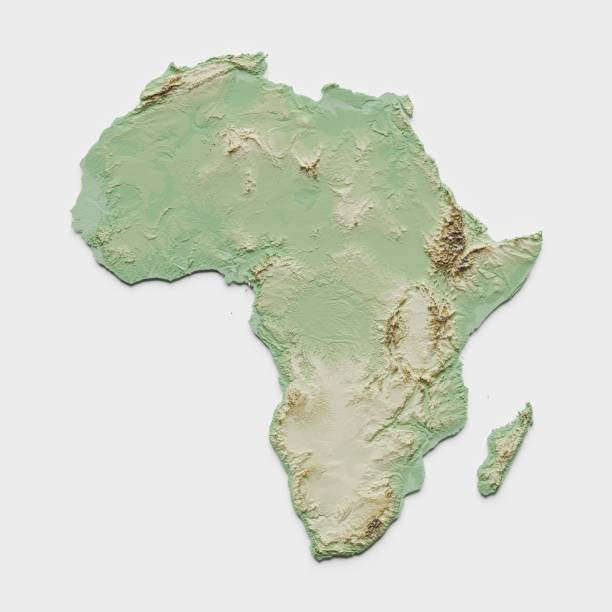
When discussing the origins of martial arts, the spotlight often falls on Asia, particularly regions like China, Japan, and Korea. However, the question, Did Africans create martial arts? is met with a resounding yes, though their contributions are frequently undervalued or entirely omitted from mainstream narratives. Africa boasts a profound and diverse heritage of indigenous fighting systems, combat sports, and self-defense techniques that predate many well-known Asian forms. These systems were not merely about physical combat; they were deeply interwoven with cultural rituals, rites of passage, spiritual beliefs, and community cohesion, reflecting the complex societies from which they emerged. From the wrestling traditions of the West African Sahel to the stick-fighting rituals of Southern Africa, the continent's martial legacy is as rich and varied as its people, demonstrating a sophisticated understanding of human anatomy, strategy, and discipline.
The Ancient Roots of African Martial Arts
The history of African martial arts origins is incredibly vast, stretching back thousands of years. Archaeological evidence, ancient carvings, and oral traditions point to the existence of formalized combat systems across various African civilizations long before the rise of globalized martial arts. These fighting styles evolved out of necessity – for hunting, self-defense against wild animals and rival tribes, and for maintaining social order. Over time, they transformed into structured practices with defined techniques, training methods, and philosophical underpinnings. Understanding these ancient roots helps us appreciate the depth and originality of African contributions to the global tapestry of combat disciplines.
Prehistoric and Dynastic Eras
- Ancient Egypt: Evidence from tombs and temples, such as the Beni Hasan tombs (c. 2000 BCE), depicts scenes of wrestling, stick-fighting (Tahtib), and various forms of unarmed combat. These aren't just casual brawls; they show structured stances, holds, and takedowns, suggesting formalized training and perhaps even competitive aspects. The techniques shown bear striking resemblances to modern wrestling and grappling arts.
- Nubian Combat: The ancient kingdom of Nubia, south of Egypt, also had strong traditions of archery and various forms of hand-to-hand combat, crucial for their formidable warrior classes. Their fighting styles were deeply integrated into military training and cultural practices.
- Saharan Rock Art: Across the Sahara, ancient rock art from diverse periods features figures engaged in combat, often with shields and spears, but also in unarmed wrestling poses, suggesting widespread practices of codified fighting.
These examples illustrate that the concept of disciplined, structured combat was an integral part of African life for millennia. The development of these systems was organic, responding to environmental challenges, social structures, and the need for both individual and communal protection.
Diverse Forms of Traditional African Fighting Styles
Africa is a continent of immense diversity, and this is perfectly reflected in its myriad traditional African combat techniques. Each region, sometimes even individual ethnic groups, developed unique martial arts tailored to their specific environment, cultural values, and historical experiences. These systems are not monolithic; they encompass a wide range of approaches, from grappling and striking to weapon-based combat.
West African Martial Arts
West Africa is particularly renowned for its rich wrestling traditions, often intertwined with elaborate ceremonies and festivals.
- Dambe (Hausa Boxing, Nigeria): This is perhaps one of the most famous and visually striking African martial arts. Dambe combines striking with one wrapped fist (the 'spear') and an open hand (the 'shield'), along with kicking. Fighters wrap their strong hand with rope, often reinforced with cloth, while the other arm is used for blocking. The goal is to knock the opponent down. Historically, Dambe was practiced by butcher-caste groups and had ritualistic elements before fights. It continues to be a vibrant spectator sport today.
- Laamb (Senegalese Wrestling): Laamb is not just a sport; it's a national obsession in Senegal. It is a full-contact wrestling style that allows punches, making it one of the few African traditional wrestling forms to incorporate striking. Matches are preceded by elaborate rituals, dance, and mystical preparations (gris-gris), highlighting the spiritual dimension of combat in many African cultures.
- Engolo (Angola): This ancient martial art, characterized by fluid, acrobatic movements, kicks, sweeps, and feints, is believed by many historians to be a significant precursor to the Brazilian martial art Capoeira. Engolo's movements mimic the graceful and powerful movements of animals, reflecting a deep connection to nature.
East and Southern African Martial Arts
These regions showcase a strong emphasis on stick fighting and intricate grappling techniques.
- Ngolo (Angola): As mentioned, Ngolo is a traditional combat dance and martial art that has strong ties to the origins of Capoeira. Its movements are fluid, low to the ground, and involve powerful kicks and evasions, often performed to the rhythm of music. It embodies a blend of fighting and performance.
- Musangwe (Venda, South Africa): This bare-knuckle boxing tradition is a brutal and respected rite of passage for young Venda men. Fighters engage in raw, powerful striking with minimal rules, emphasizing courage and endurance. It's a test of manhood and community standing.
- Zulu Stick Fighting (Nguni, South Africa): Known as Dlala Ngoma or Umkhonto, this is a highly sophisticated form of combat using long sticks and sometimes shields. It's not just random hitting; it involves elaborate footwork, parrying, blocking, and striking techniques, with specific guards and movements taught over generations. It's both a form of self-defense and a ritualized sport.
- Nuba Wrestling (Sudan): The Nuba people have various forms of traditional wrestling, often performed during harvest festivals. These are robust grappling styles, focusing on throws and takedowns, celebrating strength and skill within the community.
Central and North African Martial Arts
While less globally recognized, these regions also possess their unique combat traditions.
- Tahtib (Egypt): This ancient form of stick fighting, dating back to Pharaonic times, is often described as a combat dance. While today it's primarily a performance art, its historical roots are firmly in martial training, emphasizing rhythm, agility, and controlled strikes.
- Moraingy (Madagascar): A full-contact bare-knuckle striking martial art involving punches and kicks, often practiced by young men on the coastal regions. It is characterized by fast, powerful techniques and is an important part of community festivals.
The Cultural and Spiritual Significance
The practice of African self-defense systems and martial arts extends far beyond mere physical confrontation. They are deeply embedded in the social, spiritual, and educational fabric of African societies. These practices serve multiple roles:
- Rites of Passage: Many martial arts traditions act as initiation rites for young men and women, marking their transition into adulthood. Through rigorous training and performance, individuals learn discipline, courage, respect, and resilience—qualities essential for contributing to their community.
- Cultural Preservation: These arts are vehicles for transmitting cultural knowledge, history, and values from one generation to the next. The specific movements, songs, dances, and rituals associated with each art form tell stories of the people.
- Community Building: Martial arts events, whether competitive or ceremonial, often bring communities together. They foster a sense of identity, solidarity, and healthy rivalry, reinforcing social bonds.
- Spiritual Connection: Many African martial arts incorporate spiritual elements, including rituals, prayers, and invocations for protection or strength. The belief in ancestral guidance or supernatural aid is often an integral part of a warrior's preparation.
- Conflict Resolution: While seemingly paradoxical, formalized combat can also serve as a means of conflict resolution, providing a structured outlet for aggression and a way to determine superiority without resorting to open warfare.
This profound integration into daily life highlights that the influence of African martial arts is not just on fighting techniques but on the very way societies are structured and values are upheld. The philosophical depth of these arts is often overlooked in comparison to their Asian counterparts, yet it is equally rich and complex.
The Impact and Modern Relevance
The question of Did Africans create martial arts? not only affirms their existence but also prompts a discussion about their global impact and contemporary significance. While less commercialized than some Asian martial arts, African traditions continue to thrive and adapt.
Global Reach and Influence
The most compelling example of African martial arts influence on a global scale is the widely accepted theory regarding Capoeira. This Afro-Brazilian martial art, disguised as a dance, emerged from the African diaspora in Brazil. Its origins are heavily linked to Engolo and other similar fighting styles brought by enslaved Angolans and other West African peoples. The fluidity, evasiveness, and powerful kicks characteristic of Capoeira are direct echoes of its African predecessors, making it a powerful testament to the resilience and adaptability of African martial traditions.
Modern Preservation and Revival
In contemporary Africa, efforts are underway to preserve, document, and promote these indigenous combat forms. Many traditional martial arts continue to be practiced in rural areas and are increasingly gaining recognition in urban centers and on the international stage. Organizations and cultural enthusiasts are working to:
- Document Techniques: Creating detailed records of movements, training methodologies, and historical contexts.
- Establish Schools: Opening centers where traditional arts like Dambe, Laamb, and Zulu Stick Fighting can be formally taught to new generations.
- Organize Competitions: Holding local, national, and even international competitions to elevate the status and visibility of these arts.
- Promote Cultural Tourism: Integrating martial arts demonstrations and workshops into cultural tourism initiatives, sharing these traditions with a wider audience.
The continued practice and adaptation of these arts speak volumes about their enduring value and their potential to contribute to physical fitness, cultural identity, and self-discipline in the modern world. They offer unique perspectives on body mechanics, strategy, and mental fortitude that are distinct from other global martial arts traditions.
Conclusion
In conclusion, the answer to the question, Did Africans create martial arts? is an unequivocal and emphatic yes. Africa is a continent with a vast, diverse, and ancient heritage of sophisticated fighting systems, combat sports, and self-defense techniques that have been integral to its cultures for millennia. From the grappling of Laamb and Nuba wrestling to the striking of Dambe and Musangwe, and the weapon arts of Zulu stick fighting and Tahtib, African peoples developed a rich array of combat methodologies. These arts were not mere physical contests but deeply intertwined with spiritual beliefs, rites of passage, and the very fabric of communal life. Recognizing the African martial arts origins is crucial for a complete and accurate understanding of global martial history, highlighting the continent's profound and often-underacknowledged contributions to human ingenuity in self-preservation, skill, and cultural expression. Their continued practice and global influence, particularly through arts like Capoeira, serve as a testament to their enduring power and relevance.
Enjoyed this read?
Share it with your friends and colleagues.