How Are African Men

BSC Insights Admin
September 30, 2026
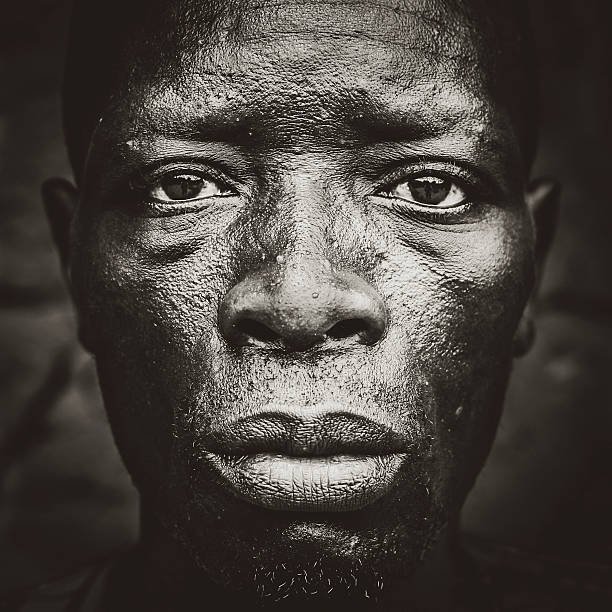
African men are not a monolithic group but represent an incredibly diverse spectrum of cultures, traditions, socio-economic backgrounds, and individual experiences across 54 distinct nations. While generalizations about African men are challenging and often lead to harmful stereotypes, many share core values such as strong family ties, community responsibility, resilience, and respect for tradition, often navigating modern influences while upholding ancestral customs. This article aims to explore the multifaceted identities, common characteristics, and societal roles of African men, emphasizing the vast diversity that defines them.
Understanding the Immense Diversity of African Men
To truly understand African men, one must first acknowledge the continent's unparalleled diversity. Africa is home to over 1.3 billion people, speaking more than 2,000 languages, and encompassing a multitude of ethnic groups, religions, and socio-economic systems. This rich tapestry means that the experience of a man in Cairo, Egypt, will be vastly different from that of a man in Lagos, Nigeria, or Johannesburg, South Africa.
Regional Variations in African Male Identity
The continent can be broadly divided into several regions, each with its unique cultural nuances that shape the lives and identities of African men:
- North Africa: Predominantly Arab and Berber cultures, influenced by Islamic traditions. Men often play strong patriarchal roles within family structures, with an emphasis on honor, hospitality, and religious observance.
- West Africa: Known for its vibrant ethnic groups, complex traditional systems, and a blend of indigenous beliefs, Islam, and Christianity. Men are often key figures in community leadership, trade, and cultural preservation.
- Central Africa: Characterized by diverse forest-dwelling communities and a mix of traditional and colonial influences. Men’s roles may vary from hunter-gatherer to urban professionals, often maintaining strong communal bonds.
- East Africa: Home to pastoralist communities like the Maasai, coastal Swahili cultures, and rapidly developing urban centers. East African men navigate a landscape of ancient traditions alongside modern aspirations, often demonstrating great resilience.
- Southern Africa: Marked by a history of colonialism, apartheid, and industrialization, leading to complex social structures. Men here face unique challenges and opportunities, often balancing traditional Xhosa, Zulu, or other ethnic identities with modern professional lives.
Ethnic and Cultural Tapestry
Beyond geographical regions, thousands of distinct ethnic groups contribute to the complexity of African male identity. Each group, from the Yoruba and Igbo in Nigeria to the Amhara and Oromo in Ethiopia, the Zulu in South Africa, and the Luo in Kenya, possesses its own language, customs, social hierarchies, and rites of passage that define manhood. These traditions profoundly influence expectations of men, from marriage customs to community responsibilities.
Religious Influences on African Men
Religion plays a significant role in shaping the moral fabric and daily lives of many African men. Islam and Christianity are the dominant religions, often blending with indigenous belief systems. These faiths provide frameworks for morality, family life, community engagement, and personal conduct. For instance, Islamic teachings often emphasize a man's role as a provider and protector, while Christian values may stress leadership and service within the family and church. Traditional African religions, which often involve ancestral worship and a deep connection to nature, also continue to influence many men, especially in rural areas.
Socio-Economic Factors and the Lives of African Men
Economic conditions significantly impact the lives and roles of African men. In rural areas, men are often farmers, herders, or engaged in artisanal trades, with their livelihoods directly tied to the land. In urban centers, African men are increasingly part of the formal economy, pursuing careers in technology, business, education, and healthcare. However, challenges such as unemployment, limited access to education, and income inequality remain pressing issues for many across the continent, shaping their aspirations and struggles.
Common Characteristics and Values Often Associated with African Men
Despite the immense diversity, certain overarching values and characteristics are frequently observed across various African cultures, contributing to a broader understanding of African male identity. These are not universal but represent common threads.
Strong Emphasis on Family and Community
For many African men, family is the cornerstone of existence. The concept of an extended family is deeply ingrained, extending beyond the nuclear unit to include grandparents, aunts, uncles, cousins, and even distant relatives. Men often bear significant responsibility for the well-being and protection of their families, including financially, emotionally, and socially. Filial piety and respect for elders are paramount, and the community often acts as a collective support system and a source of identity.
Resilience and Adaptability
Throughout history, African men have demonstrated extraordinary resilience in the face of various challenges, including colonial rule, conflict, economic hardship, and environmental changes. This resilience is a deeply embedded characteristic, fostering a strong spirit of endurance and an ability to adapt to adverse circumstances. Many men are resourceful, finding innovative ways to overcome obstacles and provide for their families, often with limited resources.
Respect for Elders and Tradition
In many African societies, age is synonymous with wisdom, and respect for elders is a fundamental cultural value. African men are often taught from a young age to honor their parents, grandparents, and community leaders. This respect extends to traditional customs, ceremonies, and rites of passage, which often mark significant milestones in a man's life and reinforce his connection to his heritage and community. Upholding traditions is seen as crucial for maintaining cultural continuity.
Hospitality and Generosity
A widespread characteristic across the African continent is the spirit of hospitality. African men, like their female counterparts, are often known for their warmth, generosity, and welcoming nature towards strangers and visitors. Sharing food, shelter, and companionship is a deeply ingrained cultural practice, reflecting a communal spirit and a belief in mutual support. This generosity is often expressed even when resources are scarce.
Spirituality and Faith
Spirituality is an integral part of life for many African men. Whether through adherence to Christianity, Islam, or indigenous belief systems, faith often provides guidance, comfort, and a moral compass. Many men actively participate in religious ceremonies, community prayers, and spiritual practices, seeking wisdom and strength from their faith. This deep connection to the spiritual realm influences their worldview, decision-making, and interactions with others.
Roles and Responsibilities of African Men in Society
The roles of African men in society are multifaceted and have evolved significantly over time, adapting to changing socio-economic landscapes while often retaining traditional underpinnings.
Providers and Protectors
Traditionally, and still largely today, African men are expected to be the primary providers and protectors of their families. This responsibility often involves securing food, shelter, and financial stability. In rural areas, this might mean farming the land or tending livestock; in urban settings, it translates to pursuing formal employment or entrepreneurship. The role of protector extends to safeguarding the family's honor, physical safety, and well-being within the community.
Leadership and Mentorship
Throughout African history, men have played crucial roles in leadership, whether as village chiefs, community elders, spiritual leaders, or political figures. This leadership often involves mediating disputes, making communal decisions, and guiding younger generations. Many African men embody a mentorship role, passing down knowledge, skills, and ethical values to their sons, nephews, and other young men, preparing them for their responsibilities within society.
Cultural Custodians
African men are often central to the preservation and transmission of cultural heritage. They participate in traditional ceremonies, storytelling, music, dance, and art forms that embody the collective memory and identity of their communities. Through these activities, they ensure that ancestral customs, historical narratives, and indigenous knowledge are passed down from one generation to the next, maintaining the unique cultural identity of their people.
Evolving Roles in Modern Africa
Modernization, urbanization, increased access to education, and changing gender dynamics are transforming the roles of African men. While traditional responsibilities persist, many men are increasingly involved in domestic life, co-parenting, and advocating for gender equality. Economic pressures and global influences have led to new forms of employment and social interaction, pushing men to redefine their masculinity and embrace new opportunities.
Exploring Modern African Masculinity
Modern African masculinity is a dynamic concept, continually being shaped by global influences, economic changes, and internal societal shifts. It represents a fascinating blend of traditional values and contemporary aspirations.
Education and Professional Aspirations
Access to education has dramatically expanded across Africa, empowering a new generation of African men to pursue higher education and professional careers. There is a growing emphasis on academic achievement and skill development as pathways to economic mobility and societal contribution. Many young men aspire to careers in STEM fields, business, medicine, and other professions, driving innovation and development across the continent.
Entrepreneurship and Innovation
Africa is a continent of immense entrepreneurial spirit, and African men are often at the forefront of this innovation. From small-scale vendors to tech startup founders, men are actively creating economic opportunities for themselves and their communities. This drive for entrepreneurship is a testament to their resilience, resourcefulness, and determination to overcome economic challenges and contribute to their nations' growth.
Navigating Tradition and Modernity
One of the defining aspects of modern African masculinity is the ongoing negotiation between traditional expectations and modern global influences. Men often strive to honor their cultural heritage and familial duties while also embracing contemporary lifestyles, technologies, and individual freedoms. This balance can be challenging but also leads to unique expressions of identity that blend the old with the new.
Health and Well-being Considerations for African Men
The health and well-being of African men are crucial for the development of the continent. Historically, men's health issues have sometimes been overlooked, but there is a growing recognition of the need for better access to healthcare services, mental health support, and awareness campaigns for issues prevalent among men. Factors like diet, lifestyle, and access to preventative care significantly impact their overall quality of life.
Challenges and Opportunities Facing African Men
While the continent offers immense opportunities, African men also navigate a landscape of significant challenges that impact their lives and aspirations.
Economic Disparities and Unemployment
Unemployment, particularly among youth, remains a critical challenge across many African nations. Many African men struggle to find stable, well-paying jobs, leading to economic insecurity, migration, and social frustrations. Despite economic growth in some regions, disparities persist, affecting men's ability to fulfill their traditional roles as providers and build a secure future for their families.
Health Crises and Their Impact
Public health issues, including HIV/AIDS, malaria, tuberculosis, and increasingly, non-communicable diseases like diabetes and hypertension, disproportionately affect many communities, including African men. Access to adequate healthcare, preventative measures, and health education are vital for improving life expectancy and quality of life for men across Africa.
Impact of Conflict and Migration
Conflict, political instability, and forced migration in various parts of Africa have profound impacts on men. Many become soldiers, refugees, or economic migrants, facing trauma, displacement, and loss of livelihood. These experiences often challenge traditional notions of masculinity and can lead to complex psychological and social issues, affecting entire communities.
Opportunities in a Growing Continent
Despite the challenges, Africa is a continent of immense opportunity. The growing youth population, increasing access to technology, and burgeoning economies present new avenues for African men. Opportunities exist in burgeoning sectors like renewable energy, digital technology, agribusiness, and infrastructure development. Education, skills training, and entrepreneurial support are key to harnessing this potential and empowering men to drive positive change.
Conclusion
In conclusion, describing "how African men are" is a journey through a kaleidoscope of human experience, defined by profound diversity rather than simplistic generalizations. From the bustling metropolises to serene rural villages, African men embody a vast array of cultures, traditions, and individual stories. While common threads of family loyalty, resilience, hospitality, and respect for heritage often emerge, these are always filtered through unique regional, ethnic, and socio-economic lenses.
Understanding African men requires appreciating their dynamic identities, their enduring strengths, and the complex challenges they navigate in a rapidly changing world. Moving beyond stereotypes and recognizing the richness of their individual and collective contributions is essential for a true appreciation of African masculinity in all its forms.
Enjoyed this read?
Share it with your friends and colleagues.