Did Africans Migrate To Puerto Rico

BSC Insights Admin
October 27, 2026
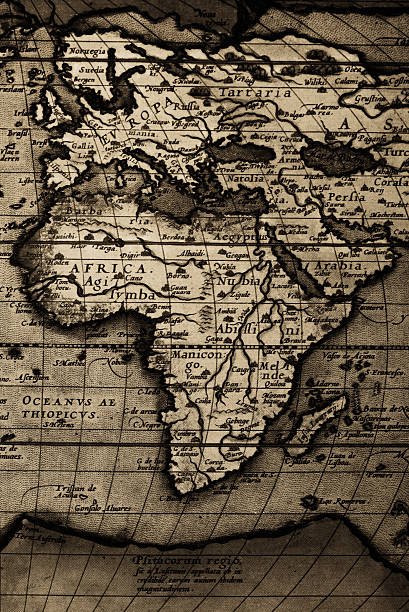
Yes, Africans did significantly migrate to Puerto Rico, primarily through the forced displacement of the transatlantic slave trade. This migration profoundly shaped the island's demographics, culture, language, and historical trajectory, leaving an indelible mark that continues to define Puerto Rican identity today. The arrival of Africans, beginning in the early 16th century, was a foundational event in the island's colonial history, establishing a rich and complex African heritage that is celebrated and studied by generations.
The Historical Context: European Arrival and Indigenous Labor
Before the arrival of Europeans, Puerto Rico was inhabited by the Taíno people, an indigenous Arawak group. Christopher Columbus claimed the island for Spain in 1493, initiating a period of intense colonization. The Spanish soon began to exploit the island's natural resources, particularly gold, and established agricultural enterprises. Initially, they relied on Taíno labor, but the indigenous population suffered catastrophic declines due to disease, forced labor, and violence. This demographic collapse created an urgent demand for a new labor force, paving the way for the introduction of enslaved Africans.
The Transatlantic Slave Trade and Forced African Migration to Puerto Rico
The first enslaved Africans arrived in Puerto Rico around 1509-1511, accompanying Spanish colonists. By 1513, the Spanish Crown officially authorized the direct importation of enslaved people from Africa to the Americas. This marked the beginning of centuries of forced African migration to Puerto Rico as part of the brutal transatlantic slave trade. Africans were forcibly taken from various regions of West and Central Africa, including present-day Nigeria, Ghana, Congo, Angola, and Senegal. They were subjected to horrific conditions during the Middle Passage and upon arrival were sold into chattel slavery.
Purposes of Enslaved African Labor in Puerto Rico
- Mining: Early on, enslaved Africans were put to work in gold mines, which were crucial for Spanish imperial wealth.
- Agriculture: As gold reserves dwindled, Puerto Rico's economy shifted to agriculture. Enslaved labor became indispensable for cultivating sugarcane, tobacco, coffee, and ginger, which were lucrative cash crops. Sugarcane plantations, in particular, were labor-intensive and relied heavily on African forced labor.
- Construction and Infrastructure: Africans also built fortifications, roads, and other essential infrastructure throughout the island, including parts of El Morro and La Fortaleza in San Juan.
- Domestic Service: Many enslaved Africans worked as domestic servants in the homes of Spanish colonists.
The peak period for the importation of enslaved Africans into Puerto Rico occurred during the 17th and 18th centuries, with significant numbers continuing through the early 19th century despite international efforts to abolish the slave trade. While the exact number of Africans brought to Puerto Rico is difficult to ascertain due to incomplete records and illicit trade, estimates suggest tens of thousands arrived, with their descendants forming a substantial part of the island's population.
Beyond Slavery: Resistance and Limited Free Migration
Despite the atrocities of slavery, Africans in Puerto Rico continually resisted their bondage. Acts of resistance ranged from subtle sabotage and cultural preservation to outright rebellion and escape. Runaway enslaved people, known as cimarrones or maroons, formed independent communities in remote parts of the island, preserving African customs and resisting Spanish authority. While the vast majority of African presence in Puerto Rico came through forced migration, there were also limited instances of free African immigrants, primarily after the abolition of slavery. These individuals, often from neighboring Caribbean islands or Latin American countries, contributed to the diverse tapestry of the African diaspora in Puerto Rico, though their numbers were significantly smaller compared to those brought through enslavement.
The Profound Cultural Impact of African Migration
The contributions of Africans and their descendants to Puerto Rican culture are immeasurable, enriching every aspect of island life. Their legacy is deeply embedded in the music, dance, cuisine, language, and spiritual practices of Puerto Rico.
Music and Dance: The Heartbeat of African Heritage
Perhaps the most celebrated expressions of Puerto Rican African heritage are the musical genres of bomba y plena. These vibrant forms of music and dance are direct descendants of African traditions brought by enslaved people:
- Bomba: Originating in the plantations, bomba is a call-and-response form of music played on barrel drums (barriles) and maracas. It features an improvisational dance where the dancer communicates with the lead drummer, whose rhythms follow the dancer's movements. Bomba is a powerful expression of resistance, community, and identity.
- Plena: Emerging in the early 20th century in working-class neighborhoods, plena is known as the "sung newspaper." It uses handheld frame drums (panderetas) and often narrates stories of daily life, social commentary, and historical events, blending African rhythmic patterns with Spanish melodies.
Other musical influences include the use of percussion instruments, rhythmic complexities, and vocal styles found across various Latin American genres, many of which have roots in African musical traditions.
Cuisine: A Fusion of Flavors
African influences are evident in many staples of Puerto Rican cuisine. Ingredients and cooking techniques brought by Africans shaped the island's diet:
- Root Vegetables: Foods like plantains, yams (ñame), taro (yautía), and cassava (yuca), which are central to African diets, became fundamental in Puerto Rican cooking.
- Stews and Fritters: The art of slow-cooked stews (like sancocho) and the creation of fried doughs (like bacalaítos and alcapurrias) show clear parallels with West African culinary practices.
- Spices and Seasonings: The use of strong, aromatic spices and the development of sofrito (a flavor base) reflect a fusion of indigenous, Spanish, and African tastes.
Language and Oral Traditions
While Spanish is the official language, the Puerto Rican dialect has absorbed numerous words of African origin, known as Africanisms. These words often relate to food, music, and everyday life. Furthermore, African oral traditions, including storytelling, proverbs, and riddles, have contributed to the island's rich folklore and narrative heritage.
Religion and Spirituality
Despite the forceful imposition of Catholicism, enslaved Africans often practiced their traditional religions in secret or blended them with Christian beliefs, leading to syncretic practices. While not as overt as in Cuba or Brazil, elements of African spiritual traditions persist in folk Catholicism and other spiritual practices in Puerto Rico, demonstrating the resilience of these beliefs.
Demographic and Genetic Legacy of African Migration
The forced migration of Africans had a profound and lasting impact on the genetic makeup and demographics of Puerto Rico. Today, the vast majority of Puerto Ricans possess some degree of African ancestry, alongside European and Taíno heritage. Genetic studies consistently reveal a significant African genetic contribution to the modern Puerto Rican population, reflecting centuries of racial mixing (mestizaje) that occurred under colonial rule.
Afro-Puerto Ricans and Self-Identification
While official census data on race can be complex due to historical classifications, a substantial portion of the population identifies as Afro-Puerto Rican or of African descent. Communities like Loíza are particularly known for their strong African cultural retention and high percentage of residents identifying as Black or mulatto. Recognizing and celebrating this identity is a vital part of understanding the island's social fabric.
The table below illustrates the approximate genetic contributions to the Puerto Rican population:
| Ancestry Component | Approximate Percentage |
|---|---|
| European | 50-65% |
| African | 15-30% |
| Indigenous (Taíno) | 10-20% |
Note: These percentages are averages and can vary significantly among individuals and regions within Puerto Rico.
Socio-Economic Challenges and Resilience
The legacy of slavery and subsequent systemic discrimination has presented ongoing socio-economic challenges for Afro-Puerto Ricans. Historically, those of darker skin tones have faced greater prejudice and limited access to resources and opportunities. However, the resilience of African descendants in Puerto Rico is undeniable. They have continuously fought for recognition, equality, and the preservation of their cultural heritage, contributing significantly to social justice movements on the island.
Celebrating African Heritage in Modern Puerto Rico
In contemporary Puerto Rico, there is a growing recognition and celebration of the island's African roots. Festivals like the Loíza Festival of Santiago Apóstol highlight bomba and plena, traditional African-influenced costumes, and religious syncretism. Educational initiatives are working to ensure that the history of slavery in Puerto Rico and the immense cultural impact of Africans on Puerto Rico are accurately taught and understood.
- Cultural Centers: Organizations and centers dedicated to African heritage promote bomba and plena classes, lectures, and cultural events.
- Academic Research: Scholars continue to delve into the depths of African contributions to Puerto Rico, unearthing new information and promoting a more comprehensive understanding of the island's past.
- Art and Literature: Contemporary artists, musicians, and writers frequently explore themes of African identity and history in their work, contributing to a vibrant cultural dialogue.
Conclusion
The answer to "Did Africans Migrate To Puerto Rico" is an unequivocal yes, marking one of the most significant chapters in the island's history. This forced migration, primarily through the transatlantic slave trade, was a foundational element in the creation of modern Puerto Rico. From the vibrant rhythms of bomba and plena to the flavors of its cuisine, and from the genetic makeup of its people to the resilience of its spirit, the African legacy is an inseparable and invaluable part of Puerto Rican identity. Recognizing and celebrating this rich, complex heritage is essential for a complete understanding of Puerto Rico's past, present, and future.
Enjoyed this read?
Share it with your friends and colleagues.