Is There An African Ocean

BSC Insights Admin
October 01, 2026
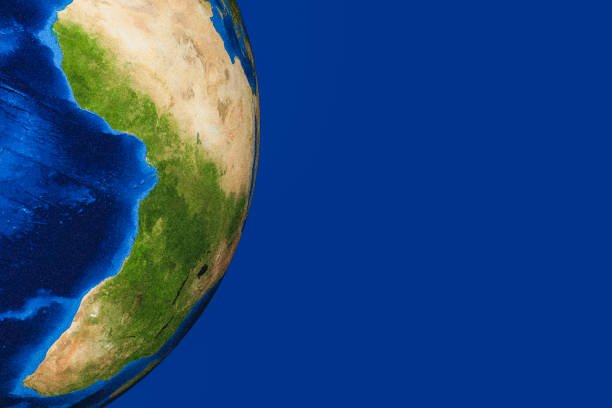
When discussing global geography, a common question that arises is: is there an African Ocean? The straightforward answer is no, there is no single, officially recognized ocean named specifically the "African Ocean." Instead, the vast continent of Africa is bordered by three major global oceans: the Atlantic Ocean to its west, the Indian Ocean to its east, and the Southern Ocean to its south. This article delves into the geographical realities, clarifying why the concept of a singular African Ocean is a misconception and exploring the rich characteristics and significance of the true oceans that embrace Africa’s diverse coastlines.
Understanding the World's Major Oceans
To fully grasp why there isn't an African Ocean, it's essential to understand the recognized divisions of our planet's interconnected body of saltwater. Traditionally, the world’s oceans have been divided into four, and more recently, five major oceanic divisions. These divisions are based on geographical boundaries, ocean currents, and historical naming conventions.
- Pacific Ocean: The largest and deepest of Earth's oceanic divisions, separating Asia and Australia from the Americas.
- Atlantic Ocean: The second-largest, separating Europe and Africa from the Americas.
- Indian Ocean: The third-largest, situated between Africa, Asia, and Australia.
- Southern Ocean (or Antarctic Ocean): The newest official recognition, encircling Antarctica and extending north to 60 degrees south latitude.
- Arctic Ocean: The smallest and shallowest, surrounding the North Pole.
Each of these oceans possesses unique characteristics, marine ecosystems, and significant roles in global climate regulation and human activities. The idea of an African Ocean often stems from a misconception that every continent has its own named ocean, mirroring the way continents are distinct landmasses.
The Oceans Embracing Africa: Atlantic, Indian, and Southern
Africa's extensive coastline, stretching over 30,000 kilometers (approximately 18,641 miles), is strategically positioned at the crossroads of some of the world's most vital maritime routes. This unique geographical placement means it is influenced by and directly borders not one, but three distinct global oceans, each contributing immensely to its climate, biodiversity, and economy.
The Atlantic Ocean: Africa's Western Embrace
To Africa's west lies the magnificent Atlantic Ocean, a body of water that has played a pivotal role in global exploration, trade, and cultural exchange for centuries. Stretching from the Arctic in the north to the Southern Ocean in the south, the Atlantic forms a natural boundary with West and North Africa. Its vastness and dynamic currents significantly impact the coastal regions of countries like Morocco, Senegal, Ghana, Nigeria, and Angola.
- Key Characteristics: The Atlantic is known for its mid-ocean ridge, diverse marine life, and powerful currents such as the Canary Current and the Benguela Current, which influence regional climates and marine productivity.
- Economic Significance: Major shipping lanes traverse the Atlantic, connecting Africa to the Americas and Europe. Fisheries, offshore oil and gas exploration, and coastal tourism are vital economic activities for many West African nations. Countries like Angola and Nigeria are significant oil producers with offshore reserves in the Atlantic.
- Cultural Impact: The Atlantic has historically been a conduit for migration, trade, and unfortunately, the transatlantic slave trade, deeply shaping the cultural fabric of many African coastal communities.
The interaction between the African continent and the Atlantic Ocean Africa is a story of rich ecological diversity and historical interconnectedness.
The Indian Ocean: Africa's Eastern Gateway
On Africa's eastern flank, the Indian Ocean extends, offering a gateway to Asia and Australia. This ocean is unique for its prominent monsoon weather system, which profoundly affects the climate and agricultural patterns of East Africa. Countries such as South Africa, Mozambique, Tanzania, Kenya, and Somalia share extensive coastlines with this warm ocean.
- Key Characteristics: The Indian Ocean is the warmest of the world's oceans, supporting vibrant coral reefs, particularly along the East African coast. Its strong seasonal monsoon winds dictate sailing patterns and ocean currents.
- Biodiversity Hotspot: The East African coastline is a biodiversity hotspot, famous for its rich marine life, including diverse fish species, sea turtles, and large marine mammals. The coral reefs provide critical habitats and support lucrative fisheries.
- Economic and Strategic Importance: The Indian Ocean is a crucial artery for global trade, particularly for oil shipments from the Middle East. Major ports like Mombasa (Kenya) and Dar es Salaam (Tanzania) are vital economic hubs. Tourism, especially around islands like Zanzibar and the Seychelles, is a significant industry.
The relationship between the African landmass and the Indian Ocean Africa is characterized by a long history of maritime trade, cultural fusion, and ecological wealth.
The Southern Ocean: Africa's Antarctic Frontier
While often seen as an extension of the Atlantic and Indian Oceans, the Southern Ocean is now recognized as a distinct oceanic body encircling Antarctica. For Africa, this means its southernmost tip, particularly around the Cape of Good Hope, is where the waters of the Atlantic and Indian Oceans meet and merge with the cold, powerful currents of the Southern Ocean.
- Defining Characteristics: The Southern Ocean is defined by the Antarctic Circumpolar Current (ACC), the world's largest ocean current, which flows eastward around Antarctica. Its waters are exceptionally cold, nutrient-rich, and home to unique polar marine life, including krill, whales, and seals.
- Influence on African Climate: The cold currents from the Southern Ocean, like the Benguela Current, significantly influence the climate of southwestern Africa, contributing to the arid conditions of the Namib Desert.
- Ecological Importance: Despite its remoteness, the Southern Ocean plays a critical role in global ocean circulation and climate regulation. It is a vital feeding ground for many migratory species that also frequent the coasts of Southern Africa.
The demarcation of the Southern Ocean Africa boundary highlights the continent's connection to the planet's most pristine and least explored marine environments.
Why No Singular "African Ocean"? Addressing the Misconception
The absence of a singular "African Ocean" is primarily a matter of geographical convention and the physical reality of Earth's oceanic divisions. Unlike some continents that are largely surrounded by a single vast body of water (e.g., Australia is often informally associated with the "Australasian" or "Oceanic" regions, but its immediate waters are part of the Pacific and Indian Oceans), Africa's shores clearly delineate sections of the Atlantic and Indian Oceans.
The concept of an African Ocean would imply a distinct basin unique to Africa, separated from other major oceans. However, the continent's coastlines seamlessly merge into the Atlantic to the west and the Indian Ocean to the east, with their southern reaches blending into the Southern Ocean. There are no geological or oceanographic features that would justify an independent designation for a singular "African Ocean."
Instead, the term "African waters" or "oceans bordering Africa" more accurately describes the marine environments surrounding the continent. These terms acknowledge the influence and presence of the globally recognized oceans.
Geographical Significance of Africa's Oceanic Boundaries
The confluence of these major oceans around Africa creates unique geographical and ecological zones. The continent's shape and location dictate its interactions with these vast water bodies.
- Cape of Good Hope: Located at the southwestern tip of Africa, this iconic landmark is traditionally known as the meeting point of the Atlantic and Indian Oceans. While oceanographers define the boundary differently (often further south or east), it remains a symbolic point of convergence.
- Strait of Gibraltar: To the north, Africa is separated from Europe by the narrow Strait of Gibraltar, connecting the Atlantic Ocean to the Mediterranean Sea. This strait is a crucial shipping choke point.
- Suez Canal and Red Sea: To the northeast, the Suez Canal (via the Red Sea) connects the Indian Ocean (through the Gulf of Aden) to the Mediterranean Sea, creating an artificial maritime link that bypasses the long voyage around Africa.
- Horn of Africa: This easternmost projection of Africa juts into the Arabian Sea, a northwestern arm of the Indian Ocean, making it a critical strategic location for maritime trade and security.
These geographical features underscore the strategic importance of Africa's oceanic boundaries and their role in global navigation and trade routes.
Biodiversity and Marine Life in African Waters
The diverse ocean environments surrounding Africa host an extraordinary array of marine life, making them some of the richest biodiversity hotspots on the planet. From the cold, nutrient-rich upwellings of the Atlantic to the warm, coral-filled waters of the Indian Ocean, Africa's marine ecosystems are incredibly varied.
- Atlantic Coast: The Atlantic off West Africa is renowned for its productive fisheries, supporting large populations of sardine, mackerel, and tuna. The cold Benguela Current off Southwest Africa creates one of the world's most productive upwelling systems, supporting abundant plankton and fish, which in turn feed seabirds, seals, and whales.
- Indian Ocean Coast: The warm waters of the East African coast are home to extensive coral reefs, seagrass beds, and mangrove forests, which are critical nurseries for countless marine species. These ecosystems support vibrant populations of reef fish, sharks, rays, sea turtles, and dugongs. The annual sardine run off the coast of South Africa and Mozambique is a spectacular migration attracting predators and tourists alike.
- Deep-Sea Environments: Beyond the coastal shelves, the deep ocean basins off Africa harbor unique species adapted to extreme pressures and lack of light, many of which are yet to be fully discovered and understood.
Preserving this incredible marine life Africa is crucial, given the increasing pressures from human activities.
Economic Importance and Human Impact on Africa's Oceans
The oceans bordering Africa are indispensable to the continent's economic development and the livelihoods of millions. They facilitate trade, provide food, and offer resources that fuel national economies.
Key Economic Sectors:
- Maritime Trade and Shipping: Africa's coastlines are dotted with major ports that serve as crucial nodes in global supply chains. The passage of millions of tons of cargo, including oil, minerals, and manufactured goods, makes maritime trade routes Africa incredibly important.
- Fisheries: Both artisanal and industrial fishing fleets operate extensively in African waters, providing a significant source of protein and employment. Sustainable management of these vital resources is a growing challenge.
- Oil and Gas: Extensive offshore oil and natural gas reserves are found in the Atlantic (e.g., Nigeria, Angola, Equatorial Guinea) and increasingly in the Indian Ocean (e.g., Mozambique, Tanzania). These resources are major contributors to national GDPs.
- Tourism: Coastal and island tourism (e.g., Egypt, Morocco, Kenya, South Africa, Zanzibar, Seychelles, Mauritius) is a significant foreign exchange earner, attracting visitors to pristine beaches, coral reefs, and vibrant coastal cultures.
Environmental Challenges and Conservation:
Despite their immense value, Africa's oceans face numerous threats:
- Overfishing: Unsustainable fishing practices and illegal, unreported, and unregulated (IUU) fishing deplete fish stocks and harm marine ecosystems.
- Pollution: Plastic pollution, industrial waste, and sewage runoff degrade coastal habitats and endanger marine life.
- Climate Change: Rising sea temperatures, ocean acidification, and sea-level rise threaten coral reefs, coastal communities, and marine biodiversity.
- Habitat Destruction: Coastal development, destructive fishing methods, and pollution lead to the loss of critical habitats like mangroves and coral reefs.
Addressing these challenges requires concerted efforts in African marine conservation, promoting sustainable blue economy initiatives, and strengthening regional cooperation.
The Future of Africa's Oceans: Conservation and "Blue Economy"
Recognizing the critical role of its marine resources, African nations are increasingly focusing on sustainable ocean management and the development of a "blue economy." This concept emphasizes economic growth, improved livelihoods, and ocean ecosystem health.
- Sustainable Fisheries Management: Implementing quotas, combating IUU fishing, and promoting responsible aquaculture are key to ensuring long-term food security and livelihoods.
- Marine Protected Areas (MPAs): Establishing and effectively managing MPAs helps conserve critical habitats and allows marine populations to recover.
- Combating Marine Pollution: Initiatives to reduce plastic waste, improve waste management, and control industrial pollution are vital for healthier oceans.
- Climate Resilience: Investing in coastal protection, mangrove restoration, and climate-resilient infrastructure helps communities adapt to the impacts of climate change.
- Ocean Governance: Strengthening legal frameworks, promoting regional cooperation, and investing in scientific research and oceanography Africa are essential for effective ocean governance.
The continent's future prosperity is intrinsically linked to the health and sustainable management of the oceans surrounding Africa.
Conclusion
In summary, while the question "is there an African Ocean" is a natural one, the geographical reality is that no single body of water bears that name. Africa is magnificently bordered by three of the world's great oceans: the vast Atlantic Ocean to its west, the historically significant Indian Ocean to its east, and the powerful Southern Ocean to its south. These oceans are not merely geographical boundaries; they are vibrant ecosystems, critical economic arteries, and essential components of global climate systems. Understanding these distinct oceanic influences is key to appreciating Africa's diverse geography, rich marine biodiversity, and its pivotal role in the global maritime landscape. The continent's future health and prosperity will undoubtedly depend on the wise and sustainable stewardship of these invaluable marine resources.
Enjoyed this read?
Share it with your friends and colleagues.