How Many African Qualify For World Cup

BSC Insights Admin
October 07, 2026
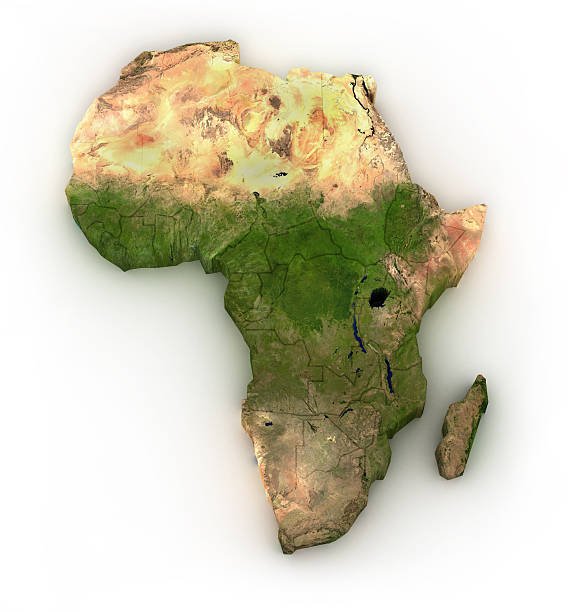
The question of how many African teams qualify for the World Cup has seen a significant evolution, reflecting the continent's growing influence in global football. Historically, the Confederation of African Football (CAF) has been allocated 5 qualification spots for the FIFA World Cup. However, with the expansion of the tournament to 48 teams starting from the 2026 edition, Africa's guaranteed representation will dramatically increase to 9 teams, with a potential 10th spot available through an inter-confederation play-off tournament. This substantial increase underscores a new era for African football on the world stage, promising more visibility and opportunities for African nations to showcase their talent.
Africa's Path to the World Cup: An Evolving Landscape
For decades, the journey for African nations to reach the FIFA World Cup has been one of intense competition, passion, and often, heartbreak. The limited number of qualification spots meant that many talented teams missed out, making the CAF World Cup qualification process arguably one of the most brutal in international football. Understanding Africa's representation in World Cup history helps contextualize the excitement around the upcoming changes.
The **number of African teams World Cup** participation has always been a point of discussion among football enthusiasts and administrators. For many years, the continent felt underrepresented given its vastness and the global popularity of football within its borders. The historical allocation of 5 spots meant that only a select few of Africa's 54 national teams could ever make it to the biggest stage in football.
The Current Qualification Landscape: A Detailed Look
Historical Qualification (Pre-2026)
Prior to the expansion of the FIFA World Cup, the African World Cup slots were consistently set at five. This quota was first implemented for the 1994 World Cup and remained constant through to the 2022 tournament in Qatar. The CAF qualification format typically involved several grueling stages designed to whittle down the large number of participating nations.
For example, in the qualifiers leading up to the 2022 World Cup, 54 African nations entered, competing for just five coveted places. The format involved preliminary rounds, followed by group stages, and then a final play-off round where ten group winners battled it out in home-and-away ties for the five tickets to Qatar. This system ensured that only the strongest and most resilient teams emerged.
The Expanded FIFA World Cup 2026 and Africa's New Allocation
The decision by FIFA to expand the World Cup to 48 teams starting from the 2026 edition has profoundly impacted **how many African qualify for World Cup**. This expansion has led to a significant increase in spots for all confederations, and CAF has been a major beneficiary. Africa's guaranteed representation has nearly doubled, a testament to the continent's growing influence in world football and its consistent performance on the global stage.
For the 2026 World Cup, CAF will receive 9 direct qualification spots. In addition to these nine guaranteed places, there is an opportunity for a potential 10th spot. This will be determined through a new six-team inter-confederation play-off tournament, featuring one team from each confederation (except UEFA) and an additional team from the confederation of the host country. Two of these six teams will ultimately secure the final two spots in the 48-team tournament. This means African teams have more avenues than ever before to reach the pinnacle of international football.
Here's a quick comparison of the World Cup qualification allocations:
| Confederation | Spots (Pre-2026) | Spots (2026 Onwards) |
|---|---|---|
| AFC (Asia) | 4 or 5 | 8 + 1 Play-off |
| CAF (Africa) | 5 | 9 + 1 Play-off |
| CONCACAF (North/Central America & Caribbean) | 3 or 4 | 6 + 1 Play-off |
| CONMEBOL (South America) | 4 or 5 | 6 + 1 Play-off |
| OFC (Oceania) | 0 or 1 | 1 + 1 Play-off |
| UEFA (Europe) | 13 | 16 |
| Total | 32 | 48 |
The CAF World Cup Qualification Process
The **CAF World Cup qualification process** is renowned for its arduous nature, reflecting the vast number of strong footballing nations within the continent. With 54 member associations, the road to the World Cup is a marathon of matches, often played across challenging conditions.
Overview of the Format for 2026 Qualifiers
While the exact format can vary slightly between cycles, the general structure for the 2026 qualifiers in Africa involves an expanded group stage:
- Group Stage: All 54 CAF member associations are divided into nine groups of six teams each. Teams play home-and-away against all other teams in their group, resulting in 10 matches per team.
- Direct Qualifiers: The nine group winners will automatically qualify for the FIFA World Cup 2026. This is a direct consequence of the increased **African World Cup slots**.
- Play-off for the Inter-Confederation Spot: The four best group runners-up from across the nine groups will compete in a CAF play-off tournament. The winner of this play-off tournament will then represent CAF in the inter-confederation play-off for a chance to secure the potential 10th World Cup spot for Africa.
This revised format aims to provide more competitive matches and ensure that the qualifying teams are truly the best on the continent, having endured a rigorous campaign.
Challenges and Dynamics of African Qualifiers
The **African football confederation (CAF)** faces unique challenges in organizing and executing its qualification tournaments. These include:
- Vast Geography and Travel: Teams often endure long and complex travel arrangements across the continent, impacting player fatigue and preparation.
- Infrastructure: While improving, infrastructure disparities (stadium quality, training facilities, transportation) can still affect match conditions and fairness.
- Logistics and Scheduling: Coordinating fixtures across numerous countries, often with varying domestic league calendars, is a complex task.
- Competitive Landscape: The talent pool in Africa is incredibly deep, meaning there are no 'easy' groups. Traditional powerhouses often face stiff competition from rising nations. This makes every match crucial in the race for **CAF qualifying rounds** success.
The Impact of Increased Representation for African Football
The significant increase in **how many African qualify for World Cup** is expected to have a transformative impact on football across the continent. This is not just about more teams participating; it's about the ripple effect on development, investment, and global standing.
Boosting Development and Exposure
- Increased Funding and Investment: More World Cup spots mean increased prize money for participating nations and greater incentives for national federations to invest in youth academies, coaching, and infrastructure.
- Enhanced Player Development: The prospect of playing in a World Cup offers a powerful motivation for young footballers. More spots mean more opportunities for players to gain international experience and exposure to scouts from top leagues worldwide.
- Global Recognition: With more teams on the world stage, Africa's diverse footballing cultures and styles will receive greater global attention, potentially leading to more commercial opportunities and partnerships.
- National Pride and Unity: A nation's participation in the World Cup can be a powerful source of national pride, fostering unity and inspiring future generations.
Enhancing Competitiveness on the Global Stage
For a long time, the argument has been that if more African teams qualified, the chances of one making a deeper run in the tournament would increase. The increased allocation for **African nations in World Cup** tournaments is expected to:
- Distribute Talent: Instead of a few dominant nations, more teams will have a legitimate shot at qualifying, potentially leading to a wider distribution of top-tier talent and experience across the continent.
- Foster Growth: Nations that previously struggled to break through the five-spot ceiling now have renewed hope, encouraging greater investment and strategic planning in their football programs.
- Challenge Stereotypes: With more teams, there are more chances for African sides to demonstrate their tactical maturity, physical prowess, and technical skill, challenging any lingering stereotypes about African football's capabilities.
Notable African Performances and Milestones
Despite the limited spots, African teams have consistently made their mark on the World Cup, producing memorable moments and showcasing incredible talent. These performances highlight the potential that the increased **World Cup expansion** could unlock.
Trailblazers and Quarter-Finalists
African nations first participated in the FIFA World Cup in 1934 with Egypt. However, it was not until the late 20th century that they truly began to make a significant impact:
- Cameroon (1990): The Indomitable Lions captivated the world by reaching the quarter-finals, defeating reigning champions Argentina in the opening match. This performance significantly boosted the call for more African spots.
- Senegal (2002): In their debut World Cup, Senegal mirrored Cameroon's feat by reaching the quarter-finals, famously beating defending champions France in the opening game. Their exciting brand of football won many admirers.
- Ghana (2010): As the first African nation to host the World Cup in South Africa, Ghana came agonizingly close to becoming the first African semi-finalist, only to be denied by a penalty shootout in the quarter-finals against Uruguay.
- Morocco (2022): The Atlas Lions made history in Qatar by becoming the first African and Arab nation to reach the semi-finals of a FIFA World Cup. Their incredible run, characterized by solid defense and passionate play, demonstrated the tactical and technical evolution of African football.
These achievements prove that African teams possess the quality to compete at the highest level. The question is no longer if an African team can reach the latter stages, but rather when they will lift the coveted trophy.
The Dream of a World Cup Title
The ultimate goal for any footballing nation is to win the World Cup. For Africa, this dream is becoming increasingly tangible. With 9 or potentially 10 teams representing the continent, there will be more opportunities for diverse tactical approaches, greater squad depth, and ultimately, a higher chance of a team making a deep run and perhaps even challenging for the title. The journey of **African World Cup qualification** is not just about participation; it's about making a profound impact on the tournament's outcome.
The Road Ahead: What to Expect for African Teams
The Future of African Football and the World Cup
The future looks bright for African football. The increased allocation for the World Cup is likely to be a catalyst for further growth and development. We can expect to see:
- Stronger Domestic Leagues: As national teams gain more prominence, there will be a greater focus on strengthening domestic leagues to nurture local talent.
- Improved Coaching and Technical Expertise: More international exposure and funding can lead to better coaching education and the adoption of modern tactical approaches.
- Youth Development: With a clear pathway to the World Cup, investment in grassroots football and youth development programs will intensify, ensuring a continuous supply of talent.
- Greater Sponsorship and Commercial Deals: The increased visibility of African teams on the global stage will attract more sponsors, bringing much-needed financial resources into the sport.
The Significance of the Expanded Tournament
The expanded World Cup is not merely an increase in numbers; it represents a more inclusive and diverse global football festival. For Africa, it means:
- More nations experiencing the unique thrill and challenge of World Cup football.
- A greater array of playing styles and narratives enriching the tournament.
- Increased potential for upsets and surprising runs, adding to the excitement.
- A stronger platform for African players to showcase their skills and compete at the pinnacle of the sport.
Conclusion: A Bright Future for African World Cup Participation
In conclusion, the answer to how many African qualify for World Cup has changed dramatically, signaling a new and exciting chapter for African football. From a historical allocation of 5 spots, the continent will now enjoy a guaranteed 9 places, with a realistic chance of securing a 10th spot through the inter-confederation play-off for the 2026 FIFA World Cup and beyond. This expansion acknowledges Africa's significant contribution to global football and promises increased opportunities, development, and exposure for its talented players and nations. The challenging CAF qualification process will continue to produce resilient and competitive teams ready to make their mark on the world stage, further solidifying Africa's position as a powerhouse in the beautiful game.
Enjoyed this read?
Share it with your friends and colleagues.