How Did African Slavery Start

BSC Insights Admin
October 01, 2026
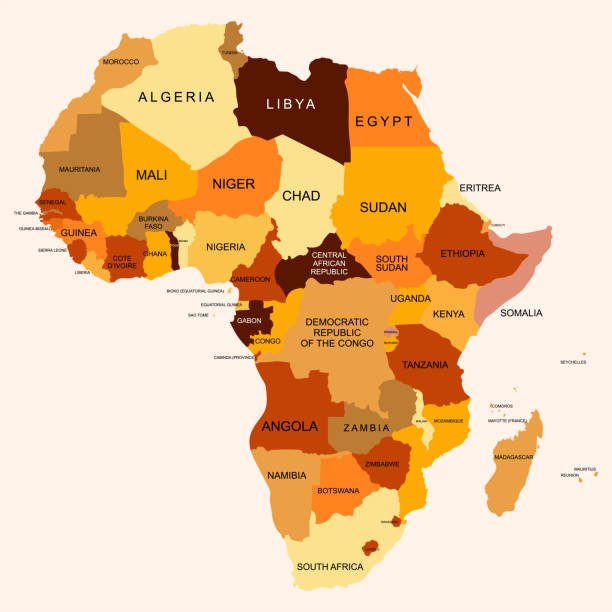
The question of how African slavery started is complex, as it involves a history far more nuanced than a single event or origin point. Historically, various forms of servitude existed within African societies long before European arrival, differing significantly from the chattel slavery that characterized the transatlantic trade. These indigenous systems were primarily based on debt, judicial punishment, or warfare, often allowing for social mobility and integration within communities. However, the systematic and large-scale enslavement of Africans for commercial export began with the expansion of external trade networks, notably the trans-Saharan and Indian Ocean routes, which were later dwarfed by the devastating demand for labor in the Americas during the transatlantic slave trade.
Understanding Early Forms of Servitude in Africa
Before any significant external influence, many African societies practiced various forms of servitude that are distinct from the racialized, hereditary, and dehumanizing system of chattel slavery. These pre-existing practices were often integrated into the social and economic fabric of communities and typically involved different paths to enslavement and different conditions for those in bondage.
Key Characteristics of Indigenous African Servitude:
- Debt Bondage: Individuals or families might enter servitude to repay debts, often for a specified period, with the possibility of working off their obligation.
- War Captives: People captured during inter-tribal warfare were often assimilated into the victor's society, sometimes as dependents or laborers. Their status was not necessarily permanent or hereditary.
- Judicial Punishment: Committing serious crimes could result in enslavement as a form of punishment, though this was often not a life sentence and could be reversed.
- Pawning: Individuals could be offered as collateral for loans, serving the creditor until the debt was repaid. This was a temporary arrangement.
- Integration and Mobility: Many forms of servitude allowed for a degree of social mobility. Enslaved individuals could marry into the host family, achieve positions of trust, or even gain their freedom and become full members of the community over generations. Their offspring were not always born into servitude.
- No Concept of Racial Slavery: The idea of enslaving people based on their race was largely absent. Enslavement was typically based on circumstance, not inherent inferiority.
These systems were fundamentally different from the later European-driven chattel slavery, which defined enslaved individuals as property, denied them rights, and passed their enslaved status through generations, irrespective of individual circumstances.
The Trans-Saharan Slave Trade: An Early External Influence
One of the earliest extensive external demands for African labor came with the expansion of Arab trade networks across the Sahara Desert, establishing the trans-Saharan slave trade. Beginning around the 7th century, following the Arab conquest of North Africa, this trade route connected sub-Saharan Africa with North Africa, the Middle East, and parts of Europe.
Dynamics of the Trans-Saharan Trade:
- Demand: Enslaved Africans were sought primarily for domestic service, concubinage, and military roles in North Africa and the Middle East. Some were also employed in agriculture or mining.
- Routes and Regions: Caravans traversed the Sahara, departing from regions such as the Sahel (e.g., Ghana, Mali, Songhai empires) and reaching major markets in Morocco, Algeria, Tunisia, Libya, and Egypt.
- Scale: Estimates suggest that between 6.5 and 10 million Africans were transported across the Sahara over a period of 1,200 years. While significant, it did not reach the scale or intensity of the later transatlantic trade.
- Nature of Servitude: While still brutal and involuntary, the nature of servitude often allowed for some integration and religious conversion, particularly for males who could become soldiers or administrators. Women were highly valued for domestic and reproductive roles.
This trade predates European involvement in the large-scale export of Africans and established precedents for the commodification and long-distance transport of enslaved people from the African continent.
The Indian Ocean Slave Trade: East African Connections
Simultaneously with the trans-Saharan routes, another significant slave trade route developed along Africa's eastern coast, known as the Indian Ocean slave trade. This ancient network connected East Africa with the Arabian Peninsula, Persia, India, and even further east.
Key Aspects of the Indian Ocean Trade:
- Ancient Roots: Evidence suggests this trade has roots dating back to antiquity, intensifying with the rise of Islamic empires and maritime trade across the Indian Ocean.
- Major Ports: Swahili city-states like Kilwa, Zanzibar, and Mombasa became crucial hubs for the trade, facilitating the export of enslaved people from the interior.
- Destinations: Enslaved Africans were transported to serve as domestic servants, pearl divers, sailors, soldiers, and laborers in plantations (e.g., sugar plantations in Mesopotamia during the Abbasid Caliphate).
- Scale: Historians estimate that millions of Africans were transported via this route over many centuries, though precise figures are challenging to ascertain due to fragmented records.
Both the trans-Saharan and Indian Ocean trades highlight that African societies had long been involved in regional and intercontinental trade networks that included human beings as a commodity before the advent of the transatlantic system.
The Genesis of the Transatlantic Slave Trade: European Demand
The most devastating and historically impactful chapter of African slavery began with the arrival of Europeans and the subsequent demand for labor in the newly colonized Americas, leading to the transatlantic slave trade. This system fundamentally transformed the nature and scale of slavery.
European Involvement and Escalation:
-
Early Portuguese Exploration (15th Century): Portuguese navigators, initially seeking a sea route to Asia and gold, made contact with West African kingdoms. Their first encounters involved trade for gold, ivory, and spices. However, they soon began raiding coastal communities for captives to serve as domestic slaves in Europe and on Atlantic islands like Madeira and the Canary Islands.
-
Colonial Expansion in the Americas (16th Century Onwards): The colonization of the Americas by European powers (Spain, Portugal, England, France, Netherlands) created an immense demand for labor. Indigenous populations, decimated by disease and harsh treatment, were insufficient. Attempts to use indentured European labor also proved inadequate or too expensive.
-
Plantation Economies: The development of vast plantation economies, particularly for sugar, tobacco, cotton, and coffee, in the Caribbean, Brazil, and the southern North American colonies, required a massive, cheap, and controllable workforce. Africans were deemed ideal due to their perceived resistance to tropical diseases and familiarity with certain agricultural techniques, though these were often myths used to justify their enslavement.
-
Shift from Raiding to Trade: Early European attempts at direct raiding were often met with strong resistance from African states. Europeans soon discovered it was more effective and less costly to trade for enslaved people with African rulers and merchants who already had access to captives from warfare, judicial processes, or internal markets. This established a brutal partnership, albeit an unequal one, where African intermediaries supplied the demand created by European powers.
Mechanisms of Enslavement for the Transatlantic Trade
The ways in which Africans became enslaved for the transatlantic trade were varied and often brutal, leveraging existing societal structures but escalating them to unprecedented levels.
Primary Methods of Enslavement:
- Warfare: Inter-state or inter-ethnic conflicts were a primary source. European traders often supplied weapons to rival African groups, exacerbating conflicts and ensuring a steady supply of war captives.
- Raids and Kidnapping: Direct raids by both European traders and their African allies on villages were common, especially in areas where centralized states were weaker.
- Judicial Processes: Individuals convicted of crimes, both major and minor, could be condemned to enslavement. The demand for slaves sometimes led to the expansion of offenses punishable by enslavement.
- Debt and Famine: In times of economic hardship or famine, individuals or families might sell themselves or their relatives into servitude as a desperate means of survival.
- Political Expediency: Some powerful African rulers used the slave trade to eliminate political rivals, unwanted elements, or to consolidate power by selling off their opponents.
African rulers and merchants who participated in the trade often did so for economic gain, to acquire European manufactured goods (textiles, alcohol, tools, guns), and to maintain or expand their power. However, it is crucial to recognize that they were operating within a system largely driven and dominated by external European demand and naval power.
The Commodification and Dehumanization of African People
The defining characteristic of the transatlantic slave trade was the complete commodification of human beings. Unlike many traditional African forms of servitude, this system transformed enslaved individuals into chattel—movable property to be bought, sold, and inherited. This radical dehumanization was essential for the brutal scale and nature of the trade.
Features of Chattel Slavery:
- Hereditary Status: Children born to enslaved mothers were automatically considered enslaved, creating generations of bondage.
- Legal Status as Property: Enslaved people had no legal rights, could not own property, and their families could be arbitrarily separated.
- Racialized System: The transatlantic slave trade explicitly linked slavery to race, creating a racial hierarchy that justified the perpetual enslavement of people of African descent.
- Economic Engine: The slave trade and the labor of enslaved Africans became the engine of colonial economies, fueling European wealth and industrialization.
The journey from capture in Africa to forced labor in the Americas, known as the Middle Passage, was horrific, with millions dying from disease, starvation, and violence during the brutal sea voyage.
The Lasting Impact and Legacy
The transatlantic slave trade, lasting from the 16th to the 19th centuries, forcibly transported an estimated 10 to 12 million Africans across the Atlantic, irrevocably altering the demographics, social structures, and economic development of Africa, the Americas, and Europe.
Consequences for Africa:
- Demographic Drain: The loss of millions of able-bodied individuals, particularly young men and women, severely hindered population growth and economic development in many regions.
- Political Instability: The trade fueled warfare and political fragmentation, as the demand for captives incentivized conflicts and destabilized existing power structures.
- Economic Distortion: African economies became distorted, prioritizing the capture and sale of human beings over other forms of production and trade.
- Underdevelopment: The long-term effects contributed to persistent underdevelopment and socio-economic challenges in many parts of the continent.
Global Ramifications:
- Development of Racial Ideologies: The need to justify the enslavement of Africans led to the proliferation of racist ideologies that persist to this day.
- Economic Development of the West: The wealth generated by enslaved labor in the Americas played a significant role in the industrialization and economic growth of European nations.
- Creation of the African Diaspora: The forced migration created vast African diaspora communities across the Americas, whose cultures and contributions have profoundly shaped these societies.
| Trade Route | Estimated Duration | Estimated Number of Enslaved Africans |
|---|---|---|
| Trans-Saharan | 7th - 20th Century | 6.5 - 10 million |
| Indian Ocean | 1st Century - 20th Century | 2 - 5 million |
| Transatlantic | 16th - 19th Century | 10 - 12 million |
Conclusion
The origins of African slavery are not singular but multifaceted, evolving from diverse indigenous practices of servitude to a complex, brutal, and economically driven system. While various forms of labor exploitation existed within African societies for centuries, they fundamentally differed from the large-scale, commercialized chattel slavery that began with the trans-Saharan and Indian Ocean trades and escalated dramatically with European demand for labor in the Americas. The transatlantic slave trade, fueled by racial ideology and economic imperatives, transformed human beings into commodities, resulting in unparalleled demographic devastation for Africa and shaping the course of global history. Understanding this complex history is crucial to comprehending the enduring legacies of slavery on contemporary societies worldwide.
Enjoyed this read?
Share it with your friends and colleagues.