Did African Tribes Sell Slaves To Europeans

BSC Insights Admin
September 30, 2026
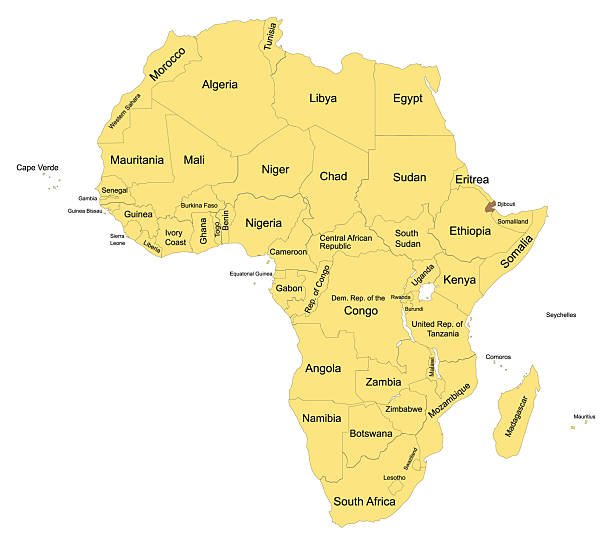
Did African Tribes Sell Slaves To Europeans? Understanding a Complex History
Yes, it is a historically verified fact that some African polities, kingdoms, and individual merchants participated in the sale of captives to Europeans during the transatlantic slave trade. However, understanding this complex history requires acknowledging the distinct pre-existing forms of servitude in Africa, the immense European demand for labor, and the devastating impact this trade had on the continent. The narrative is not one of simple culpability but of intricate motivations, power dynamics, and a tragic confluence of circumstances that fueled one of humanity's darkest chapters.
Understanding Pre-Colonial Slavery in Africa
Before the arrival of Europeans, various forms of servitude and captivity existed across the African continent. This pre-existing system, often referred to as indigenous African slavery, differed significantly from the chattel slavery that defined the transatlantic trade.
Characteristics of Traditional African Servitude:
- Debt Bondage: Individuals or families could enter servitude to pay off debts, often with the possibility of eventual freedom or their labor being a temporary loan.
- War Captives: People captured during inter-tribal conflicts were frequently enslaved, but their status could vary. They might be integrated into the captor’s society, marry into families, or serve specific roles.
- Criminal Punishment: Enslavement could be a consequence for certain crimes, serving as a form of justice or rehabilitation within the community.
- Pledging of Persons: Families might pledge a child or relative as security for a loan, with the expectation of their return upon repayment. This was often a temporary arrangement.
- Absence of Racial Basis: Importantly, traditional African slavery was rarely based on race or ethnicity. Enslavement often occurred between people of the same broad ethnic group or neighboring groups, and the enslaved could eventually achieve upward mobility or freedom.
- Rights and Integration: In many societies, enslaved individuals retained some rights, could own property, marry freepersons, and their children were not always born into slavery. Integration into the master’s family or community was a common pathway to assimilation over generations, offering a stark contrast to the permanent, dehumanizing nature of transatlantic slavery.
These varied forms of servitude were integral to the social, economic, and political structures of many African societies, fulfilling roles from agricultural labor to military service. However, they lacked the brutal, hereditary, and dehumanizing characteristics that would become synonymous with the transatlantic slave trade.
The Dawn of the Transatlantic Slave Trade: European Demand and African Supply
The 15th century marked a pivotal shift with the arrival of Portuguese explorers on the West African coast, initially seeking gold, spices, and new trade routes. However, as European colonization of the Americas expanded, particularly with the establishment of vast sugar, tobacco, and cotton plantations, an insatiable demand for labor emerged. Indigenous populations in the Americas were decimated by disease and harsh labor conditions, leading Europeans to look towards Africa as a source of resilient and easily identifiable forced labor. This burgeoning demand created a lucrative, albeit morally reprehensible, market for human beings.
How European Traders Engaged with African Societies:
- Coastal Forts and Trading Posts: European powers (Portuguese, British, French, Dutch, Danish, Spanish) established forts and trading posts along the West and Central African coasts. These forts, like Elmina Castle or Cape Coast Castle, served as hubs for trade and holding pens for captives before their perilous journey across the Atlantic.
- Barter System: Europeans traded manufactured goods such as textiles, firearms, gunpowder, iron bars, alcohol (rum, brandy), and cowrie shells for enslaved people. These goods were highly prized by African rulers and merchants, offering a perceived advantage in local power struggles or simply fulfilling a desire for exotic goods.
- Lack of Inland Penetration: Crucially, European traders rarely ventured deep into the African interior due to the harsh climate, unfamiliar terrain, and strong resistance from African states. Instead, they relied on African intermediaries to capture and transport individuals to the coastal forts, establishing a complex network of internal trade routes.
African Involvement: Motivations and Methods
It is undeniable that some African rulers, merchants, and military leaders played a significant, albeit complex, role in facilitating the transatlantic slave trade. This involvement was not uniform across the continent and was driven by a confluence of economic, political, and social factors. It's important to stress that African societies were not monolithic; the decision to participate varied widely.
Key Motivations for African Rulers and Merchants:
- Economic Gain: The allure of European goods was a primary driver. Firearms, in particular, offered a substantial military advantage, while textiles, metals, and luxury items provided prestige and wealth to powerful elites. These goods enabled powerful kingdoms to consolidate power and expand their territories.
- Political and Military Power: Access to European firearms allowed certain African states to gain dominance over their neighbors. Captives from defeated rivals or smaller, weaker communities were then exchanged for more weapons, creating a vicious cycle of warfare and enslavement. Kingdoms like Dahomey and Oyo, for instance, became formidable military powers partly due to their engagement in the slave trade.
- Existing Systems of Warfare and Captivity: As noted, forms of captivity existed in Africa prior to European arrival. The transatlantic trade provided an external market for war captives, criminals, and social outcasts who might otherwise have been integrated into local societies or, in some cases, put to death. This external market transformed the nature and scale of pre-existing practices.
- Strategic Alliances: Some African leaders formed alliances with European traders to gain political leverage or protection against rival African states, leveraging the trade as a tool in regional politics.
- Demand and Coercion: While African agency was present, it's also important to acknowledge the immense pressure exerted by European demand. The escalating desire for enslaved labor meant that European traders were often aggressive in their demands, sometimes exploiting existing conflicts or instigating new ones. African states that resisted could find themselves at a severe disadvantage against those armed with European weapons.
Methods of Acquiring Captives by African Intermediaries:
- Warfare and Raids: The most common method involved organized warfare between African states or deliberate raids on weaker communities. The primary objective often shifted from territorial conquest to the capture of individuals for sale, leading to significant disruption and violence.
- Tribute Systems: Conquered peoples or vassal states were sometimes required to pay tribute in the form of enslaved individuals to more powerful kingdoms, reinforcing a hierarchical power structure.
- Judicial Processes: Individuals convicted of certain crimes, witchcraft, or social transgressions could be condemned to enslavement and sold. This system was sometimes manipulated to increase the supply of captives.
- Kidnapping: While larger-scale acquisition was typically through warfare, opportunistic kidnapping by individuals or small groups also occurred, contributing to widespread fear and insecurity in many communities.
The Devastating Impact on African Societies
The transatlantic slave trade had catastrophic and long-lasting consequences for the African continent, far beyond the direct loss of its people. Its legacy continues to shape the social, economic, and political landscape of many African nations.
Major Impacts Include:
- Demographic Drain: Estimates suggest that between 10 to 12 million Africans were forcibly removed from the continent, with countless more dying during capture or the treacherous journey to the coast. This disproportionately affected young, productive individuals, leading to a significant loss of human potential and hindering population growth for centuries.
- Increased Warfare and Instability: The trade fueled constant conflict as states raided each other for captives. This led to widespread insecurity, distrust, and the collapse of existing social and political structures in many regions, preventing stable development.
- Economic Stagnation and Distortion: While some African elites initially prospered, the overall economic development of the continent was severely hampered. Emphasis shifted from productive industries and agricultural development to the capture and sale of human beings. Local economies became dependent on European manufactured goods, stifling indigenous industries and innovation.
- Social and Cultural Disruption: Family structures were shattered, and communities lived in perpetual fear of raids. Traditional social cohesion eroded, leading to deep psychological trauma that has reverberated through generations, affecting kinship ties and communal trust.
- Underdevelopment: The immense human and material resources diverted into the slave trade, coupled with the instability and violence it created, contributed significantly to the long-term underdevelopment of many parts of Africa, a legacy that development economists and historians still analyze today.
Distinguishing African Servitude from Transatlantic Chattel Slavery
It is crucial to understand that while some African societies practiced forms of slavery, the nature and brutality of the transatlantic chattel slavery system were fundamentally different. This distinction is vital for a nuanced historical understanding and to avoid conflating two very different institutions.
| Characteristic | Traditional African Servitude | Transatlantic Chattel Slavery |
|---|---|---|
| Basis | Often due to debt, war capture, crime; not typically racial or hereditary. | Primarily racial (Black Africans targeted); dehumanizing property based on race. |
| Heredity | Not always hereditary; children might be free, integrated, or hold a different status. | Inherited; children born into slavery for life, perpetuating the system. |
| Rights | Often retained some rights (marriage, property, military service, religious freedom). | No legal rights; considered property (chattel) with no human dignity recognized. |
| Integration | Potential for integration into the family/community over time; upward mobility possible. | Systematic dehumanization; social exclusion; perpetual outsider status, rarely integrated. |
| Purpose | Labor, social status, military service, political leverage, kinship expansion. | Mass forced labor for profit on plantations; racial subjugation and economic exploitation. |
| Scale & Brutality | Varied, generally less brutal; opportunity for freedom or changed status. | Massive scale; extreme brutality, violence, torture, and exploitation designed to break the human spirit. |
This table highlights the profound differences, emphasizing that African involvement in selling captives to Europeans, while a historical fact, does not equate to African creation or endorsement of the monstrous system of chattel slavery that Europeans implemented in the Americas.
African Resistance to the Slave Trade
It is a common misconception that all African societies willingly participated in the slave trade. In reality, there were numerous instances of resistance, both against European encroachment and against African intermediaries involved in the trade. These acts demonstrate a continuous struggle against enslavement.
Forms of Resistance:
- Refusal to Trade: Some rulers, like King Alfonso I of Kongo in the early 16th century, protested and attempted to limit or stop the trade when they realized its devastating impact on their kingdom. However, their efforts were often undermined by internal rivals or the overwhelming power of European demand.
- Armed Conflict: Many African communities fought fiercely against slave raiders, whether European or African. Fortified villages, defensive strategies, and organized resistance were common in regions heavily targeted by the trade.
- Escape and Marronage: Enslaved individuals often attempted to escape from their captors or from coastal holding pens. Communities of runaways (known as Maroons in the Americas) also formed in Africa, offering refuge and continuing the fight against enslavement.
- Shifting Trade Routes: Some communities moved away from coastal areas into more defensible inland regions to avoid slave traders, seeking refuge and greater security.
- Diplomatic Opposition: Certain leaders engaged in diplomatic efforts, writing to European monarchs to protest the trade and appeal for its cessation, though often to little avail.
These acts of resistance underscore that the slave trade was a violent and disruptive force, not a universally accepted practice across the continent. Resistance was a consistent feature throughout the era of the transatlantic slave trade.
The Abolition and Lasting Legacy
The transatlantic slave trade began to decline in the early 19th century due to a combination of factors, including the rise of abolitionist movements in Europe and the Americas, economic shifts (such as the decline of sugar plantations in some areas), and increased naval patrols by powers like Britain. However, its legacy continues to shape the world today, influencing global demographics, economies, and social structures.
Lasting Legacy:
- Racial Inequality: The racial ideologies developed to justify chattel slavery have had enduring effects, contributing to systemic racism and discrimination that persist globally, particularly in countries with a history of enslavement.
- Underdevelopment in Africa: The demographic drain, political instability, and economic distortion caused by the trade are significant factors in Africa's historical and ongoing developmental challenges. The disruption of internal social and economic systems created long-term vulnerabilities.
- Diaspora and Identity: Millions of people in the Americas and the Caribbean trace their ancestry to Africa through the slave trade, profoundly influencing their cultures, identities, and struggles for justice and recognition. This diaspora represents a rich cultural heritage alongside a painful history.
- Historical Memory: The transatlantic slave trade remains a critical, often painful, part of global history that necessitates continuous examination, education, and remembrance to understand its origins, mechanisms, and profound consequences. Acknowledging this history is vital for reconciliation and building a more just future.
Conclusion
In answer to the question, Did African tribes sell slaves to Europeans? Yes, various African polities, kingdoms, and individual merchants did engage in the sale of captives to European traders during the transatlantic slave trade era. This historical reality is complex and cannot be reduced to a simple narrative of either absolute African innocence or sole African culpability. The trade was driven by an immense European demand for labor in the Americas, and African participation was motivated by a mixture of economic gain, political power, strategic alliances, and pre-existing forms of indigenous servitude, though significantly different in nature. It's crucial to distinguish between traditional African forms of servitude and the brutal, racialized, and hereditary chattel slavery imposed by Europeans. The devastating impact on African societies—including demographic collapse, endemic warfare, and arrested development—underscores the profound tragedy and long-lasting legacy of this dark chapter in human history. Understanding this complexity requires acknowledging the roles played by all parties and recognizing the distinct yet intertwined historical contexts that facilitated one of humanity's greatest crimes.
Enjoyed this read?
Share it with your friends and colleagues.