How Are African Women

BSC Insights Admin
September 30, 2026
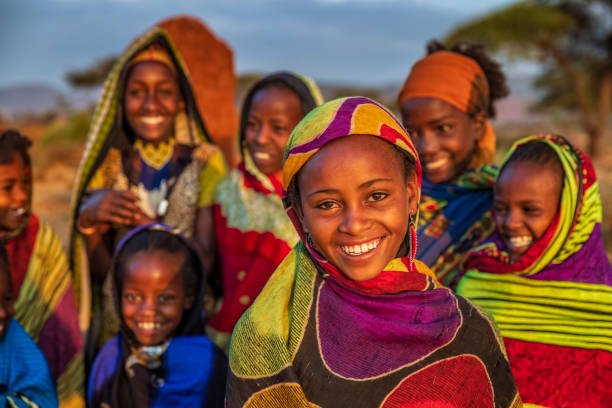
African women are incredibly diverse, resilient, and pivotal figures across the continent, playing multifaceted roles in families, communities, economies, and politics, while navigating unique challenges and celebrating rich cultural heritages. Understanding how African women are requires acknowledging the vast differences in their experiences, influenced by geography, ethnicity, socio-economic status, and urban versus rural settings, collectively shaping their vibrant contributions and ongoing journey toward greater empowerment.
The Rich Tapestry of African Women's Diversity
To speak of African women as a monolithic group would be a grave misrepresentation. Africa is a continent of immense diversity, home to over 1.3 billion people and thousands of distinct ethnic groups, languages, and cultures. This inherent diversity profoundly shapes the lives and experiences of women across its 54 countries. From the bustling metropolises of Lagos and Cairo to the remote rural villages of the Sahel or the serene communities along the Great Lakes, women's realities differ dramatically. Factors such as economic development, political stability, access to resources, and prevailing cultural norms all play a significant role in defining their daily lives and opportunities.
For example, a woman in South Africa might be a corporate executive navigating a modern capitalist economy, while a woman in rural Mali might primarily engage in subsistence farming and traditional community roles. These contrasting realities underscore the importance of understanding the specific contexts when discussing the lives of women in Africa. Despite these differences, common threads of resilience, community spirit, and a deep connection to family often run through the experiences of many African women.
Pillars of the Economy: African Women in Work
African women are indispensable contributors to the continent's economy, often serving as the backbone of both formal and informal sectors. Their economic activities are diverse and critical for household and national prosperity.
- Agriculture: A significant majority of African women work in agriculture, producing up to 80% of the food in some regions. They are primary cultivators, processors, and marketers of crops, often on smallholder farms. Despite their crucial role, they frequently face challenges such as limited access to land ownership, credit, and modern farming technologies.
- Informal Economy: Millions of women thrive in the informal sector, running small businesses, engaging in cross-border trade, or selling goods in local markets. These ventures, though often precarious and lacking formal recognition or protection, are vital for family livelihoods and local economies.
- Formal Employment & Entrepreneurship: Increasing numbers of African women are entering formal employment in professions like education, healthcare, and public service. There is also a growing wave of African women entrepreneurs who are establishing and scaling innovative businesses in technology, manufacturing, and services, driving economic growth and creating jobs.
Their economic engagement not only generates income but also empowers them within their households and communities, contributing to improved living standards and greater autonomy.
Education and Empowerment: A Transformative Journey
Access to education is one of the most powerful catalysts for transforming the lives of African women and their communities. While historical disparities meant fewer girls had opportunities for schooling, significant progress has been made across the continent.
Challenges and Progress in Girls' Education
Despite increased enrollment, challenges persist, particularly in rural areas where factors like poverty, early marriage, cultural norms, and lack of adequate facilities can hinder girls' attendance and retention. However, initiatives focusing on providing scholarships, improving school infrastructure, and sensitizing communities have led to notable improvements. Educated women are more likely to pursue higher education, enter skilled professions, and participate actively in civic life.
Impact of Education
The benefits of educating women in Africa extend far beyond individual achievement:
- Improved Health Outcomes: Educated mothers tend to have healthier children, lower maternal mortality rates, and greater knowledge of hygiene and nutrition.
- Economic Growth: Increased female literacy and skill development boost labor force participation and productivity, contributing to national economic development.
- Reduced Poverty: Educated women are better equipped to secure stable incomes, lifting their families out of poverty.
- Greater Agency: Education empowers women with knowledge, critical thinking skills, and a stronger voice to advocate for their rights and make informed decisions about their lives.
Health and Well-being for African Women
The health status of African women is a critical indicator of societal development, and while progress has been made, significant disparities and challenges remain. Maternal health in Africa has seen improvements, with reductions in maternal mortality rates over the past decades, largely due to increased access to antenatal care, skilled birth attendants, and emergency obstetric services. However, many women still face preventable risks during pregnancy and childbirth.
Key Health Considerations
- Reproductive Health: Access to family planning services, contraception, and comprehensive sexual education is vital for women's autonomy and health.
- HIV/AIDS: Women and girls disproportionately bear the burden of HIV/AIDS in many African countries, necessitating targeted prevention, treatment, and support programs.
- Non-Communicable Diseases: As lifestyles change, non-communicable diseases like hypertension, diabetes, and certain cancers are becoming more prevalent among women.
- Mental Health: The stresses of poverty, gender inequality, conflict, and violence contribute to mental health challenges that often go unaddressed due to stigma and lack of resources.
Ensuring equitable access to quality healthcare services, including preventive care and mental health support, is crucial for the overall well-being of women in Africa.
African Women in Leadership and Governance
The landscape of leadership and governance in Africa is slowly but surely transforming, with African women in leadership roles becoming more visible and influential. While challenges related to patriarchal systems and socio-cultural barriers persist, there has been a notable increase in female representation in politics, business, and civil society.
Breaking Barriers and Shaping Policy
Many African countries have introduced quotas or special measures to boost female representation in parliaments and local governments. This has led to more women participating in legislative processes, advocating for gender-sensitive policies, and bringing diverse perspectives to decision-making tables. Beyond politics, women are increasingly taking on executive roles in corporations, leading non-governmental organizations, and heading academic institutions. Their presence in these spheres is crucial for inspiring future generations and ensuring that the needs and perspectives of women are integrated into national development agendas.
Cultural Resilience and Social Contributions
African women are often the custodians of culture, passing down traditions, oral histories, and indigenous knowledge from one generation to the next. They play central roles in family and community cohesion, often acting as peacekeepers, educators, and organizers of social events. Their contributions to arts, music, dance, and fashion are profound, reflecting the rich diversity and creativity of the continent.
In many societies, women's associations and community groups are powerful forces for social change, mobilizing resources, supporting vulnerable members, and advocating for local development initiatives. These grassroots movements highlight the collective strength and social capital inherent in African women's networks.
Challenges Faced by African Women
Despite their immense contributions and resilience, African women face a myriad of systemic and societal challenges that impede their full potential and well-being. Understanding these obstacles is crucial for crafting effective solutions.
Major Obstacles Include:
- Gender-Based Violence (GBV): This remains a pervasive issue, encompassing domestic violence, sexual assault, female genital mutilation (FGM), and child marriage. GBV not only violates human rights but also has devastating impacts on women's physical and mental health, education, and economic participation.
- Limited Access to Resources: Women often have restricted access to crucial resources such as land ownership, credit, inheritance, and technology, limiting their economic independence and opportunities for growth.
- Harmful Traditional Practices: While culture is rich, some traditional practices can be detrimental to women's health and rights, necessitating careful dialogue and community-led efforts for change.
- Impact of Conflict and Climate Change: Women and children are disproportionately affected by armed conflicts, displacement, and the severe impacts of climate change, including food insecurity and resource scarcity.
- Political Underrepresentation: Despite progress, women are still underrepresented in many political and decision-making bodies, which can result in policies that do not adequately address their specific needs.
Addressing these challenges of African women requires comprehensive, multi-sectoral approaches that combine legal reform, community engagement, education, and economic empowerment.
Pathways to Progress and Empowerment
The journey towards greater empowerment for African women is ongoing, propelled by dedicated individuals, organizations, and supportive policies. Several pathways are proving effective in fostering progress:
- Investing in Education and Skills: Continued investment in quality education, vocational training, and digital literacy for girls and women is paramount. This equips them with the tools needed to access better employment, innovate, and participate fully in the modern economy.
- Promoting Economic Inclusion: Expanding access to financial services, entrepreneurship support, and markets empowers women to build sustainable businesses and gain economic independence. Initiatives that connect women to value chains and provide mentorship are particularly impactful.
- Strengthening Legal Frameworks and Rights: Advocating for and enforcing laws that protect women's rights, including land rights, inheritance rights, and protection against gender-based violence, is fundamental.
- Enhancing Political Participation: Supporting women's entry into political leadership and decision-making roles, through quotas, capacity building, and mentorship, ensures their voices are heard in governance.
- Community-Led Solutions: Engaging local communities in addressing harmful practices and promoting gender equality through education and dialogue creates sustainable change from within.
- Health System Strengthening: Improving access to comprehensive healthcare, including reproductive health services, maternal care, and mental health support, is vital for women's well-being.
By focusing on these interconnected areas, societies can foster environments where African women can thrive, leading to more equitable, prosperous, and peaceful communities across the continent.
Conclusion
In conclusion, the question of how African women are reveals a complex narrative of immense diversity, profound resilience, and vital contributions. From their foundational roles in agriculture and the informal economy to their growing presence in leadership, education, and entrepreneurship, women across Africa are central to the continent's development and cultural richness. While they navigate significant challenges such as gender-based violence and limited access to resources, their unwavering strength and commitment to their families and communities drive progress. Through sustained efforts in education, economic empowerment, health system strengthening, and advocacy for rights, the future for women in Africa is one of continued growth, agency, and increasing influence on the global stage, solidifying their status as powerful agents of change.
Enjoyed this read?
Share it with your friends and colleagues.