Do Africans Like Americans

BSC Insights Admin
October 08, 2026
Understanding Perceptions of Americans in Africa
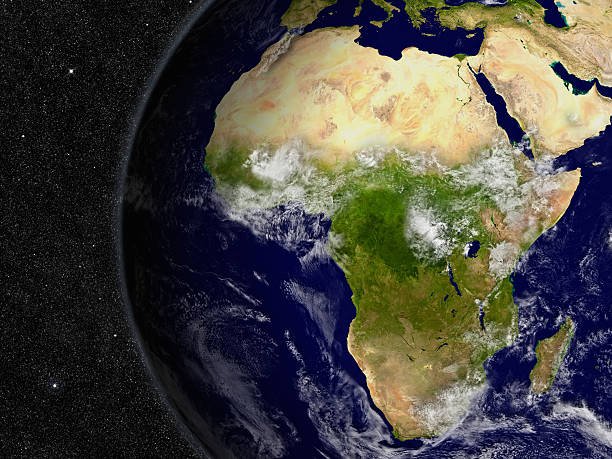
The question, "Do Africans like Americans," is complex and cannot be answered with a simple yes or no. Africa is a vast continent comprising 54 diverse countries, each with unique historical relationships, cultural values, and economic ties to the United States. Therefore, African perceptions of Americans are incredibly varied, ranging from admiration and appreciation for development aid and cultural influence to skepticism and criticism regarding foreign policy and historical legacies.
Generalizing the sentiment of an entire continent toward another population group is impossible. Just as opinions of Americans vary within Europe or Asia, they also differ significantly across the diverse nations, ethnic groups, and socio-economic classes within Africa. This article explores the various factors influencing these perceptions, from historical interactions and economic partnerships to cultural exchange and individual experiences.
The Diversity of Africa
It is crucial to acknowledge Africa's immense diversity. From the Arab-influenced North Africa to the vibrant cultures of West Africa, the historical kingdoms of East Africa, and the post-apartheid realities of Southern Africa, each region and country has its own distinct identity. These differences profoundly shape how various populations engage with and perceive the United States and its citizens.
Historical Context of Relations
The relationship between African nations and the United States is rooted in a rich and often challenging history. From the transatlantic slave trade, which forcibly brought millions of Africans to America, to the post-colonial era, the Cold War, and contemporary global politics, these historical layers continue to influence present-day perceptions. During the Cold War, for instance, African countries often found themselves navigating between Western and Eastern blocs, influencing early diplomatic ties and aid programs.
Factors Influencing African Perceptions of Americans
Several key factors contribute to the varied African views on America and its people. These range from broad geopolitical strategies to intimate personal interactions.
Economic Relations and Development Aid
Economic ties Africa America are a significant driver of sentiment. The United States has been a major partner in trade, investment, and development aid across the continent.
- Trade and Investment: Initiatives like the African Growth and Opportunity Act (AGOA) have fostered trade relationships, allowing many African products duty-free access to the U.S. market. American companies invest in various sectors, from mining and energy to technology and finance, creating jobs and contributing to economic growth in some regions. These investments often generate positive sentiment, especially among business communities and those benefiting directly.
- Humanitarian Aid and Philanthropy: U.S. humanitarian assistance, health programs (such as PEPFAR, addressing HIV/AIDS), and disaster relief efforts have saved countless lives and improved living conditions. These contributions are widely recognized and appreciated, often fostering strong goodwill. For many Africans, America is seen as a benevolent partner in development and a source of hope during crises.
Political Relations and Foreign Policy
US foreign policy Africa plays a pivotal role in shaping governmental and public perceptions.
- Diplomacy and International Cooperation: The U.S. maintains diplomatic relations with nearly all African countries, engaging on issues ranging from security and democracy to climate change and human rights. Cooperation on international platforms often strengthens alliances and mutual respect.
- Security Partnerships: American assistance in counter-terrorism efforts, military training, and regional stability initiatives is viewed differently. While some governments appreciate the support against security threats, others might view military presence or intervention with suspicion, particularly if perceived as infringing on sovereignty or having ulterior motives.
Cultural Exchange and Soft Power
Cultural exchange Africa US is a powerful force in shaping individual perceptions, often creating bridges between peoples.
- American Pop Culture Influence: American music, movies, television shows, and fashion have a global reach, and Africa is no exception. Hip-hop, Hollywood blockbusters, and sports like basketball are popular, creating a sense of familiarity and admiration for certain aspects of American life and innovation. This cultural diffusion can foster a sense of connection and shared experience.
- Educational Opportunities and Exchange Programs: Many African students aspire to study in the U.S., viewing American universities as centers of excellence. Programs like the Young African Leaders Initiative (YALI) and Fulbright scholarships facilitate educational and professional exchanges, building strong personal and professional networks and fostering positive views among future leaders.
- Tourism and Personal Interactions: The growing number of American tourists and expatriates in Africa, as well as Africans visiting the U.S., leads to direct people-to-people interactions. These personal encounters, whether positive or negative, significantly influence individual perceptions.
Social and Human Rights Issues
Views on American domestic issues and values also filter into African perceptions.
- Views on American Democracy and Values: The U.S. often promotes democracy, good governance, and human rights globally. While many Africans resonate with these ideals, perceived inconsistencies, such as racial inequality or political polarization within the U.S., can lead to skepticism and criticism regarding America's moral authority.
- Racial Dynamics and Stereotypes: Historical and ongoing issues of racism in America are often closely watched and discussed in Africa. News of racial injustice can elicit strong empathy and concern, sometimes leading to questioning the true nature of American values. Conversely, positive representations of African Americans, especially in leadership or entertainment, can inspire and foster a sense of pride and connection.
Regional Variations in Sentiment
Given Africa's vastness, it's essential to consider how perceptions might differ by region.
North Africa: Unique Historical Ties
Countries like Egypt, Morocco, and Tunisia often have distinct relationships with the U.S., influenced by Arab identity, proximity to Europe, and specific geopolitical interests in the Middle East. Perceptions here can be shaped by U.S. policy in the broader Middle East and its relationship with specific regimes.
West Africa: Strong Cultural Links
Nations such as Ghana, Nigeria, and Senegal often have strong historical and cultural ties to the U.S., partly due to the historical migration patterns of the transatlantic slave trade and subsequent diaspora connections. There is often a significant appreciation for American culture, education, and economic opportunities, though criticisms of foreign policy are also present.
East Africa: Development Focus
Countries like Kenya, Ethiopia, and Tanzania often have a strong focus on development partnerships with the U.S., particularly in health (HIV/AIDS, malaria), infrastructure, and poverty reduction. While these efforts are largely appreciated, some may express concerns about the dependency created by aid or the implications of security cooperation.
Southern Africa: Complex Political History
In countries like South Africa, the U.S. played a role in the anti-apartheid movement, yet historical memory is also complex. There can be a blend of admiration for democratic ideals and skepticism stemming from past Cold War interventions or current economic policies. Economic ties, particularly with South Africa, are significant.
Impact of American Media and Stereotypes
Media plays a crucial role in shaping cross-continental perceptions.
Misconceptions about Africa in American Media
For a long time, American media has been criticized for portraying Africa primarily through a lens of poverty, conflict, and disease, often ignoring its vibrancy, innovation, and diversity. This can lead to a sense of frustration among Africans, who feel their continent is misunderstood or unfairly stereotyped.
African Perspectives on American Life
Similarly, Africans' perceptions of American life are often influenced by Hollywood, news cycles, and social media. While some images depict wealth and opportunity, others highlight social problems, crime, or political divisions. This creates a nuanced, often contradictory, image of America in the minds of many Africans.
Personal Experiences and Anecdotes
Individual encounters are often the most powerful shapers of opinion.
Positive Encounters
Many Africans have overwhelmingly positive experiences with Americans, whether through educational exchanges, business partnerships, or tourist interactions. Stories of kindness, generosity, and mutual respect are common, fostering strong personal bonds and positive generalized views toward Americans.
Challenges and Misunderstandings
Conversely, misunderstandings can arise from cultural differences, language barriers, or preconceived notions. Instances of perceived arrogance, cultural insensitivity, or lack of knowledge about Africa can lead to negative impressions, particularly when amplified by media or social discourse.
Moving Forward: Fostering Stronger Relationships
To cultivate more positive and equitable relationships between Africa and America, several approaches can be taken.
- Promoting Mutual Understanding: Investing in educational and cultural exchange programs that encourage direct interaction and learning about each other's cultures can break down stereotypes and build empathy.
- Investing in Equitable Partnerships: Shifting from a donor-recipient mentality to one of genuine partnership, focusing on mutual benefit in trade, investment, and development, can build trust and respect. This includes empowering local African initiatives and voices.
- Addressing Historical Legacies: Acknowledging and engaging with the complex historical relationship, including the transatlantic slave trade and past interventions, can foster healing and lay a foundation for more honest engagement.
- Supporting African Agency: Recognizing and supporting African nations' sovereignty and their right to determine their own development paths and foreign policies is crucial for building respectful relationships.
Conclusion: A Tapestry of Views
In conclusion, the question "Do Africans like Americans" elicits a multifaceted response. There is no single African view of Americans; instead, there is a rich tapestry of opinions shaped by a complex interplay of historical events, economic relations, political dynamics, and profound cultural exchanges. While aspects of American culture, aid, and educational opportunities are often admired, concerns regarding foreign policy, historical legacies, and domestic issues within the U.S. also contribute to a nuanced perception. Ultimately, fostering mutual understanding, respect, and equitable partnerships will continue to be key in shaping the evolving and dynamic relationship between the peoples of Africa and America.
Enjoyed this read?
Share it with your friends and colleagues.