Did Africans Have Boats

BSC Insights Admin
October 01, 2026
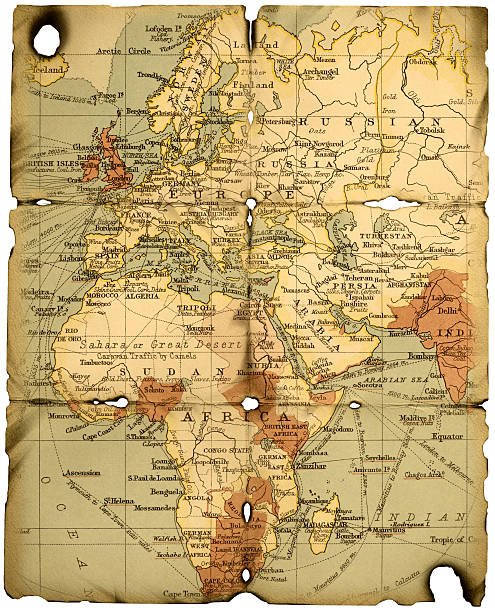
Yes, Africans absolutely had boats, and indeed possessed a rich and diverse tradition of shipbuilding, navigation, and seafaring that spans millennia. Far from being isolated from maritime pursuits, various African societies developed sophisticated watercraft and complex navigational skills, utilizing rivers, lakes, and oceans for trade, transport, fishing, and exploration. This extensive history demonstrates a profound understanding of engineering, hydrodynamics, and resourcefulness, challenging misconceptions about Africa's historical engagement with aquatic environments.
The Ancient Roots of African Maritime Traditions
The history of African boats is as old as civilization itself, with evidence pointing to early watercraft dating back to prehistoric times. These initial forays into boat building laid the groundwork for advanced maritime cultures across the continent.
Prehistoric Watercraft and Early Evidence
- Archaeological Finds: The oldest known boat in Africa, and one of the oldest in the world, is the Dufuna canoe, discovered in Nigeria, dating back over 8,000 years. This dugout canoe demonstrates early sophisticated woodworking techniques.
- Rock Art: Throughout the Sahara, rock art depicts boats and maritime scenes from periods when the region was much wetter, indicating a long-standing relationship with water travel.
- Reed Boats: Early watercraft likely included simple rafts and reed boats, using readily available materials like papyrus, as seen in later periods in Egypt and other regions.
Ancient Egypt: A Naval Powerhouse on the Nile and Beyond
Ancient Egypt stands as a prime example of a highly advanced African civilization with extraordinary maritime capabilities. Their command of shipbuilding was crucial for their survival, economy, and expansion.
Nile River Navigation and Shipbuilding Innovations
The Nile River was the lifeblood of ancient Egypt, and boats were indispensable for transportation, trade, and communication. The Egyptians developed a wide range of vessels adapted for various purposes.
- Papyrus Boats: Initially, boats were constructed from bundles of papyrus reeds, providing lightweight and maneuverable craft for local transport and fishing.
- Wooden Vessels: As the Old Kingdom progressed, Egyptians mastered wooden shipbuilding. They imported timber, primarily cedar from Lebanon, to construct larger and more robust vessels. These ships featured advanced joinery, often using mortise and tenon joints, and were propelled by both oars and sails.
- Shipyard and Technology: Detailed tomb paintings and archaeological discoveries, such as the Khufu ship buried near the Great Pyramid of Giza, reveal sophisticated boat building techniques. These vessels were capable of carrying heavy cargo, including massive stone blocks for pyramid construction.
Trade, Exploration, and Seafaring Expeditions
Beyond the Nile, ancient Egyptians undertook ambitious maritime expeditions, showcasing their proficiency in African navigation and long-distance seafaring.
- Expeditions to Punt: Pharaohs like Hatshepsut sent large fleets to the mysterious Land of Punt (believed to be located in modern-day Eritrea, Djibouti, or Somalia) to acquire valuable commodities such as frankincense, myrrh, gold, and exotic animals. These voyages required significant shipbuilding, navigation skills, and the ability to withstand open-sea conditions.
- Mediterranean Trade: Egyptian ships regularly sailed the eastern Mediterranean, engaging in trade with civilizations in the Levant and Aegean, further cementing their role as a significant maritime power in the ancient world.
West Africa: Rivers, Coasts, and Powerful Canoes
The vast network of rivers in West Africa, coupled with its extensive coastline, fostered vibrant maritime cultures that developed unique forms of traditional African watercraft.
The Ubiquitous Dugout Canoe
The dugout canoe is a quintessential symbol of West African maritime ingenuity. Carved from a single tree trunk, these vessels varied greatly in size and design, adapted to specific waterways and uses.
- Material and Construction: Often made from hardwoods like iroko or mahogany, these canoes were laboriously crafted using fire and adzes. Their construction required considerable skill and knowledge of wood properties.
- Riverine Empires: Empires like Mali and Songhai heavily relied on large dugout canoes for transport along the Niger River. These vessels facilitated trade, military movements, and the administration of vast territories.
- Coastal Trade and Fishing: Along the Atlantic coast, the Yoruba, Edo (Benin Empire), and other groups used canoes for fishing, coastal trade, and even naval warfare. Some coastal canoes were robust enough for short sea voyages, allowing for inter-regional commerce.
Trans-Saharan and Riverine Connections
While often associated with camel caravans, West African trade routes also included significant riverine components, where canoes played a critical role in connecting different regions and economies.
Table: Examples of West African Maritime Usage
| Region/Empire | Primary Waterway | Type of Watercraft | Key Use |
|---|---|---|---|
| Mali Empire | Niger River | Large Dugout Canoes | Trade, military, administration |
| Songhai Empire | Niger River | War Canoes, Transport Canoes | Military, commerce, fishing |
| Benin Kingdom | Benin River, Atlantic Coast | Coastal Canoes | Trade, fishing, coastal defense |
East Africa: Dhows and the Indian Ocean Trade Network
East Africa's millennia-long engagement with the Indian Ocean created a vibrant maritime culture centered around the legendary dhow. This region was a crucial hub in a vast global trade network.
The Swahili Coast and Maritime Networks
The Swahili civilization, stretching from Somalia to Mozambique, was intrinsically linked to the sea. Their cities, such as Kilwa, Mombasa, and Zanzibar, thrived as powerful trading states thanks to their mastery of seafaring.
- Indian Ocean Monsoon Winds: Swahili mariners expertly utilized the seasonal monsoon winds, which allowed for predictable and efficient travel between East Africa, the Arabian Peninsula, Persia, and India. This knowledge was fundamental to their success in African navigation.
- Cultural Synthesis: The Swahili culture itself is a testament to this maritime interaction, blending African, Arab, and Indian influences in language, architecture, and, of course, shipbuilding.
Dhow Construction and Design
The dhow is an iconic sailing vessel, known for its distinctive triangular (lateen) sail. While not exclusively African, its development and extensive use along the East African coast are integral to the region's African maritime history.
- Variety of Dhows: Various types of dhows existed, including the baggala, sambuk, and mtepe. The mtepe, unique to East Africa, was particularly notable for its construction using coir (coconut fiber) to sew planks together, a practice demonstrating local innovation and resourcefulness.
- Role in Trade: These vessels transported a vast array of goods: gold, ivory, timber, spices, textiles, and enslaved people. The prosperity of the Swahili city-states was directly tied to their ability to build, maintain, and navigate these sophisticated sailing craft across vast distances.
Central and Southern Africa: Inland Waterways and Lake-Faring Communities
Beyond the coasts, numerous African communities developed sophisticated watercraft for navigating vast inland river systems and large lakes.
Great Lakes Region: Sustenance and Connectivity
The Great Lakes of East-Central Africa—such as Lake Victoria, Lake Tanganyika, and Lake Malawi—are immense bodies of water that have historically supported significant populations. Boats were essential for survival and interaction.
- Fishing and Transport: Communities around these lakes relied on specialized boats for fishing, which was a primary source of protein. They also used them for transporting goods and people between different lakeside settlements.
- Warfare and Diplomacy: Larger canoes were sometimes used for military purposes or for diplomatic missions between rival kingdoms situated along the lakeshores.
River Systems: The Congo and Zambezi
Africa's major river systems, like the Congo and Zambezi, are navigable for considerable stretches, and the peoples living along their banks developed corresponding maritime technologies.
- Congo River Basin: The Congo River, with its extensive network of tributaries, supported a vibrant trade and transport system powered by dugout canoes. Some of these canoes were exceptionally large, capable of carrying dozens of people and significant cargo.
- Zambezi River: Along the Zambezi, various forms of traditional African watercraft, including canoes and rafts, were used for fishing, hunting (especially hippos), and localized trade.
Beyond Transportation: Cultural and Spiritual Significance of African Boats
African boats were not merely utilitarian objects; they often held deep cultural, spiritual, and symbolic meanings within various societies.
- Ceremonial Vessels: In many cultures, specific boats were reserved for chiefs, kings, or religious ceremonies. These might be elaborately decorated or constructed for special occasions.
- Burial Practices: In ancient Egypt, the inclusion of boats (or models of them) in tombs, such as the solar barque of Khufu, symbolized the deceased's journey to the afterlife, highlighting the profound spiritual role of watercraft.
- Art and Symbolism: Images of boats frequently appear in African art, indicating their importance in cosmology, mythology, and everyday life.
Impact and Legacy of African Maritime Heritage
The extensive history of African boat building and seafaring had a profound and lasting impact on the continent's development, culture, and connection to the wider world.
Economic Development and Cultural Exchange
African maritime activities directly fueled economic growth through trade, enabled the exchange of goods, ideas, technologies, and even populations, contributing to the rich tapestry of African cultures. The movement of people via boats also played a role in the spread of languages, agricultural practices, and social structures.
Technological Innovation and Resourcefulness
The diversity of African environments necessitated innovative approaches to boat design and construction. From the lightweight papyrus boats of the Nile to the robust wooden dhows of the Indian Ocean and the expertly carved dugouts of West Africa, African societies consistently demonstrated remarkable engineering prowess and adaptability using locally available resources.
Challenging Misconceptions
The verifiable history of ancient African boats and advanced seafaring traditions directly challenges historical narratives that sometimes portray African societies as lacking complex technology or extensive external engagement. It firmly establishes Africa's significant contributions to global maritime history.
Conclusion
In conclusion, the question of 'Did Africans have boats?' is met with an emphatic yes, supported by a wealth of archaeological, historical, and ethnographic evidence. From the ancient Egyptians navigating the Nile and the Red Sea, to the Swahili mariners mastering the Indian Ocean with their dhows, and the vast riverine empires of West and Central Africa sustained by their ingenious canoes, Africans have a long, proud, and sophisticated history of developing, building, and utilizing watercraft. This rich legacy of African maritime history is a testament to their ingenuity, adaptability, and deep connection to the aquatic environments that shaped their civilizations, underscoring their crucial role in global maritime heritage.
Enjoyed this read?
Share it with your friends and colleagues.