Did Africans Use Bow And Arrow

BSC Insights Admin
October 07, 2026
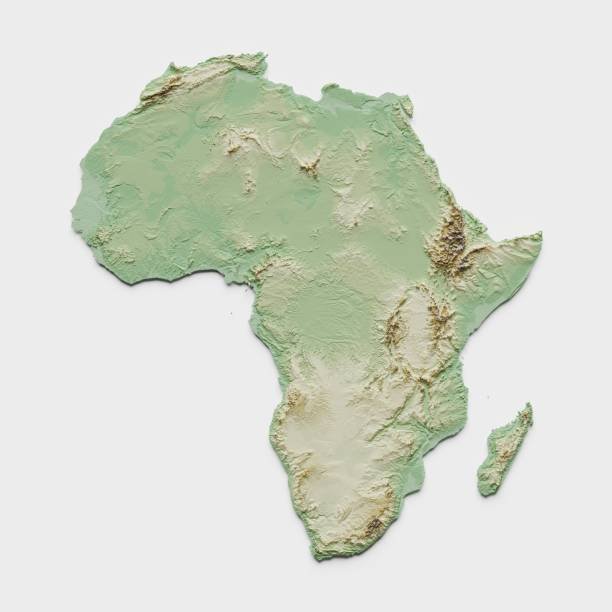
Did Africans Use Bow And Arrow? An Extensive History of Archery Across the Continent
Yes, Africans extensively used the bow and arrow, not only as a primary tool for hunting and warfare but also as a significant element in cultural practices and social structures across the continent for millennia. From the arid deserts of North Africa to the lush rainforests of the Congo and the savannas of the East and South, the bow and arrow was an indispensable part of life, evolving in design and application to suit diverse environments and needs. This enduring legacy highlights the ingenuity and adaptability of African societies in developing sophisticated archery traditions.
The history of African archery is deeply rooted in antiquity, with archaeological evidence pointing to its presence from the Stone Age. This ancient weapon was not merely a simple tool but a sophisticated piece of technology that played a critical role in the survival, defense, and cultural identity of numerous African communities. Understanding the widespread use and evolution of the bow and arrow in Africa provides invaluable insight into the continent's rich past and its contributions to human technological advancement.
The Deep Historical Roots and Archaeological Footprint of African Archery
The use of the bow and arrow in Africa can be traced back tens of thousands of years, making it one of the earliest and most persistent forms of projectile technology. Archaeological discoveries across the continent provide compelling evidence of its long and continuous presence.
Earliest Evidence and Stone Age Innovations
- North Africa: Sites in North Africa, such as those associated with the Aterian culture (dating back over 40,000 years), have yielded evidence of specialized stone projectile points that are widely believed to be arrowheads. This suggests that the technology was present much earlier than previously thought in many other parts of the world.
- East Africa: In regions like Kenya and Tanzania, archaeological excavations have uncovered microlithic tools that fit the description of arrow components, associated with early modern humans. These finds often date to the Late Stone Age, demonstrating the consistent development of archery.
- Rock Art: Perhaps the most vivid historical record comes from the abundant rock art found across Africa, particularly in the Sahara (Tassili n'Ajjer), Southern Africa (San rock art), and parts of East Africa. These ancient paintings and engravings frequently depict hunters, warriors, and even mythical figures wielding bows and arrows, offering visual testimony to their ubiquitous presence and importance.
The development of the bow and arrow was a technological leap, allowing hunters to target game from a safe distance, increasing both efficiency and safety. This innovation dramatically improved subsistence strategies and likely contributed to the expansion of human populations.
The Bow and Arrow in African Hunting Practices
For countless generations, the bow and arrow was the primary hunting tool for a vast array of African societies. Its effectiveness was critical for obtaining food, skins, and other resources essential for survival.
Diverse Bow Designs and Arrow Types
African bows varied significantly in design, reflecting regional materials and specific hunting needs:
- Simple Bows: Many bows were simple staves of wood, often made from flexible and resilient trees like acacia or palm, strung with animal sinew or plant fibers. Their designs were optimized for stealth and quick shooting.
- Composite and Recurve Bows: While less common than in some parts of Asia, certain regions developed more complex bows, sometimes incorporating multiple materials to enhance power and range.
- Crossbows: In some parts of Central Africa, particularly among groups like the Ngbandi, crossbows were also utilized, offering a distinct alternative to the traditional longbow.
Arrows were equally diverse, with various heads tailored for different types of game:
- Barbed Wooden Arrows: Used for smaller game, these arrows inflicted wounds that caused rapid incapacitation.
- Stone, Bone, and Iron Arrowheads: For larger animals, more robust heads were crafted. The advent of ironworking allowed for incredibly sharp and durable arrowheads that could penetrate thick hides.
- Poisoned Arrows: One of the most distinctive and effective aspects of African archery was the widespread use of poisons. Hunters would apply potent plant-based or animal-derived venoms (e.g., from certain trees, insect larvae, or snake venom) to their arrowheads. This allowed even a small bow to take down large game such as elephants, buffalo, or antelopes, making the hunting process more efficient and less dangerous. Groups like the San (Bushmen) of Southern Africa and the Hadza of Tanzania are renowned for their intricate knowledge of arrow poisons and their expert tracking skills.
Hunting Strategies and Expertise
Hunters developed sophisticated strategies, often working in groups, to stalk, ambush, and dispatch game. The bow and arrow required significant skill, precision, and a deep understanding of animal behavior. This expertise was passed down through generations, forming a core part of many communities' traditional knowledge.
The Bow and Arrow in African Warfare and Defense
Beyond hunting, the bow and arrow was a formidable weapon in inter-group conflicts, tribal skirmishes, and large-scale warfare throughout African history. Its range and accuracy made it a crucial element in both offensive and defensive strategies.
Archery in Ancient Civilizations
- Ancient Egypt: The Egyptians were expert archers, using composite bows from early dynastic periods. Their armies featured dedicated archer corps, as depicted in numerous reliefs and frescoes. Archery was a key skill for pharaohs and soldiers alike, vital for both hunting and conquest.
- Nubian Archers: South of Egypt, the ancient kingdoms of Nubia (Kush) were particularly famous for their archers, often referred to as the 'land of the bow'. Nubian archers were highly valued mercenaries in Egyptian armies and were formidable opponents themselves, with their distinctive bows and precise shooting.
- Other Empires: Many powerful empires and kingdoms across West, Central, and East Africa, such as the Mali Empire, the Songhai Empire, and various forest kingdoms, incorporated archers as a significant component of their military forces before the widespread adoption of firearms.
Tactics and Formations
Archery formations allowed armies to unleash volleys of arrows, creating a lethal rain of projectiles that could decimate enemy ranks before close-quarters combat. The use of poisoned arrows in warfare could induce panic and severe casualties, even if the initial wound was not immediately fatal. This strategic advantage was a powerful deterrent and a means of securing dominance.
Defense Against Invaders
Local populations frequently used bows and arrows to defend their territories against encroaching forces, including European colonial powers in the early stages of contact. The effectiveness of traditional archery often surprised technologically superior forces, demonstrating the skill and tactical prowess of African warriors.
Cultural Significance and Symbolism of the Bow and Arrow
The bow and arrow in Africa was far more than a practical tool; it was deeply interwoven with cultural identity, spirituality, and social rites. It held significant symbolic meaning in many societies.
Rites of Passage and Identity
- Initiation Rites: For many young men, mastering the bow was a critical rite of passage, signifying their transition from boyhood to manhood and their readiness to contribute to the community as a hunter or warrior.
- Status Symbols: Elaborately decorated bows and quivers could signify status, leadership, or specialized skill within a community. They were often passed down through generations as heirlooms.
- Gender Roles: While predominantly a male tool, in some societies, women also used smaller bows for hunting small game or for defense.
Artistic Representation and Oral Traditions
Beyond rock art, the bow and arrow appears frequently in African sculpture, carvings, and storytelling. Oral traditions and epic poems often feature heroes and deities wielding bows, underscoring the weapon's mythical and historical importance. These narratives serve to transmit cultural values, historical knowledge, and the significance of ancestral skills.
Ritual and Spirituality
In some cultures, bows and arrows were used in rituals or ceremonial dances, representing power, protection, or the connection to the spirit world. The act of making a bow or crafting arrows could be imbued with spiritual significance, involving prayers and specific rituals to ensure success in hunting or battle.
Regional Variations and Craftsmanship
The vast geography and diverse cultures of Africa led to a remarkable array of bow and arrow designs, each optimized for local conditions and available materials.
- Forest Bows: Often shorter and more robust, suited for dense vegetation where long-range shots are rare. Woods like ironwood or ebony were favored for their strength.
- Savanna Bows: Tended to be longer, allowing for greater range and power to hunt large game in open grasslands. Flexibler woods and composite constructions were common.
- Desert Archery: Groups in arid regions, like the Tuareg, developed bows that were portable and effective, often utilizing materials that could withstand extreme temperatures and dryness.
The craftsmanship involved in creating these weapons was often highly specialized. Bowyers (bow makers) and fletchers (arrow makers) were respected artisans, possessing deep knowledge of wood properties, tension mechanics, and aerodynamics. Arrow fletching, often made from bird feathers, varied significantly in style and attachment methods, each contributing to the arrow's flight stability and accuracy.
The Decline and Enduring Legacy
The widespread use of the bow and arrow began to decline with the increasing availability of firearms, particularly during the colonial era and the 19th and 20th centuries. Firearms offered superior range, stopping power, and ease of use, leading to a gradual shift in military and hunting practices.
However, the bow and arrow did not disappear entirely. In many remote areas, traditional hunting methods persist, and the skills of archery are still taught and practiced. For indigenous groups like the San or Hadza, the bow and arrow remains a vital part of their cultural identity and subsistence lifestyle, serving as a powerful link to their ancestral heritage. Efforts are also being made by cultural preservationists and enthusiasts to document and revive traditional African archery techniques and craftsmanship, ensuring that this significant aspect of African history is not lost.
Conclusion: The Enduring Importance of African Archery
In conclusion, the question, Did Africans use bow and arrow, is resoundingly answered with a definitive yes. The bow and arrow was an integral and sophisticated tool that shaped African history, culture, and survival for tens of thousands of years. It was a testament to African ingenuity, adaptability, and mastery of their environment. From early Stone Age hunters to the renowned archers of ancient Egypt and Nubia, and the skilled warriors and hunters of countless other societies, African archery traditions were rich, diverse, and highly effective. Its role transcended mere utility, embodying cultural values, symbolizing rites of passage, and serving as a crucial element in both sustenance and defense. Though its prominence has waned with technological advancements, the legacy of the bow and arrow endures as a powerful symbol of African heritage and a reminder of the profound impact of this ancient technology on human civilization.
Enjoyed this read?
Share it with your friends and colleagues.