Did Africans Bring Slaves To America

BSC Insights Admin
September 30, 2026
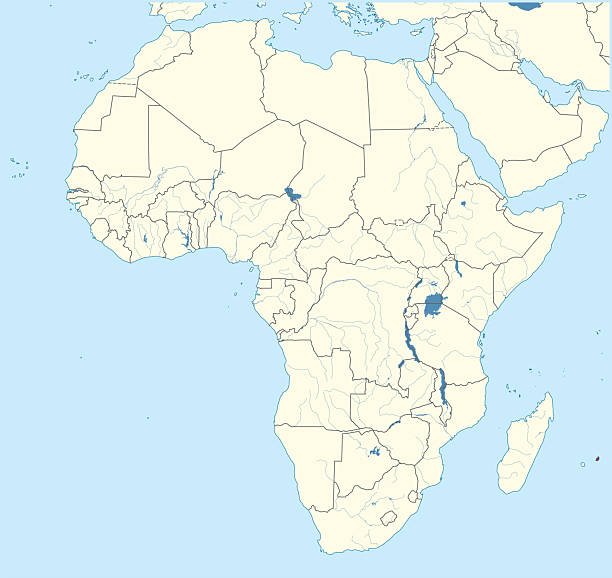
No, Africans did not bring slaves to America. The transatlantic slave trade, which forcibly brought an estimated 10 to 12 million Africans to the Americas, was an enterprise overwhelmingly initiated, organized, and driven by European colonial powers seeking vast labor forces for their burgeoning plantations and mines. While some African rulers and traders participated in the capture and sale of individuals to Europeans, this involvement occurred within an already established and powerful European-controlled system, and the nature of servitude in pre-colonial Africa was fundamentally different from the brutal, racialized chattel slavery imposed in the Americas.
Understanding the Origins of the Transatlantic Slave Trade
The transatlantic slave trade, spanning from the early 16th to the mid-19th century, constitutes one of the largest forced migrations and most horrific periods in human history. It was a complex system of economic exploitation and human trafficking that profoundly shaped the modern world, laying foundations for racial inequalities and economic disparities that persist today.
The Insatiable European Demand for Labor
The primary catalyst for the transatlantic slave trade was the escalating demand for labor in the newly established European colonies across the Americas. Following the 'discovery' of the New World, European nations such as Portugal, Spain, Britain, France, and the Netherlands embarked on ambitious colonization projects. These included the establishment of immense agricultural enterprises, particularly sugar cane plantations in the Caribbean and Brazil, tobacco farms in North America, and later cotton plantations in the southern United States, alongside lucrative gold and silver mines. These ventures promised immense wealth but required a massive, consistent, and cheap workforce.
- Decimation of Indigenous Populations: European diseases and brutal exploitation rapidly decimated the indigenous populations of the Americas, rendering them insufficient for the labor demands.
- Economic Imperative: The European mercantilist economic system prioritized wealth accumulation through colonial production, making cheap labor an absolute necessity for profitability.
- African Resilience: Africans were perceived (erroneously) by Europeans as more resilient to tropical diseases common in the Americas, and their lack of familiarity with the new continent made escape difficult.
These factors converged to create an overwhelming European demand for enslaved African labor, setting in motion the machinery of the transatlantic slave trade.
African Involvement: A Complex and Coerced Participation
It is historically accurate to state that certain African individuals, rulers, and kingdoms participated in the capture and sale of people to European traders. However, it is a gross misrepresentation to equate this participation with the primary instigation or control of the transatlantic slave trade itself. African involvement was multifaceted, often driven by complex political, economic, and defensive realities, frequently under significant European pressure.
Key aspects distinguishing African involvement from European instigation:
- Pre-Existing Forms of Servitude: Before European arrival, various forms of servitude existed across different African societies. These were generally distinct from chattel slavery, often involving debt bondage, punishment for crimes, or capture during inter-ethnic warfare. Critically, these systems typically allowed for integration into society, possibilities of freedom, and were rarely hereditary or racially based.
- European Trading Infrastructure: European powers established formidable coastal forts and trading posts (such as Elmina Castle and Cape Coast Castle in modern-day Ghana, or Gorée Island off Senegal). These served as centers for commerce, holding pens for captives, and military bases from which Europeans projected power and influenced local politics.
- Arms for Captives Exchange: European traders often offered highly sought-after goods like firearms, gunpowder, textiles, alcohol, and manufactured goods in exchange for captives. African kingdoms found themselves in a difficult position: participation could mean access to weapons vital for defense against increasingly armed rivals or European aggression. Non-participation could mean vulnerability and destruction.
- Power Dynamics and Coercion: The overall power dynamic heavily favored the Europeans, who controlled the ships, the long-distance trade routes, and possessed superior military technology. While African rulers negotiated, they did so within a system largely dictated by European demand and terms. European slave raiding also occurred, bypassing African intermediaries entirely.
- Not the Originators: African rulers and traders did not initiate the concept of transporting people across the Atlantic to be enslaved in a racialized, perpetual system of chattel slavery. They were supplying a demand created and enforced by Europeans.
Therefore, while acknowledging African agency in some transactions, it is crucial to understand this within the broader context of European economic imperialism and the immense power imbalance that characterized the era.
The Fundamental Difference: African Servitude vs. Transatlantic Chattel Slavery
One of the most critical aspects of this historical discussion is understanding the profound differences between pre-existing forms of labor and social hierarchy in Africa and the unique, brutal system of chattel slavery developed for the Americas.
Forms of Servitude in Pre-Colonial Africa
African societies, prior to the systematic transatlantic trade, had diverse and complex social structures that sometimes included forms of unfree labor. These were highly varied but generally shared common characteristics that set them apart from what would become transatlantic chattel slavery:
- Integration and Rights: Individuals in servitude often retained some rights, could marry, own property, and even achieve positions of influence. Their status was frequently tied to family or community, rather than being mere property.
- Pathways to Freedom: Many systems allowed for eventual manumission (freedom), either through service, payment, or assimilation into the owner's family or clan. Children born to enslaved parents were not always automatically enslaved, and their status could improve.
- Non-Racial: Servitude was not based on race or ethnicity but on factors like debt, judicial punishment, or capture in warfare between different African groups.
- Focus on Kinship and Labor: Servitude was often about integrating individuals into a lineage or family structure to augment labor and population, not primarily about commercial exploitation for distant markets.
These systems were internal to African societies and were not designed to support a massive, external, profit-driven human trafficking network.
The Unprecedented Brutality of Transatlantic Chattel Slavery
The system of slavery implemented in the Americas by European powers was fundamentally different and far more dehumanizing:
| Characteristic | Pre-Colonial African Servitude | Transatlantic Chattel Slavery (Americas) |
|---|---|---|
| Status | Often retain some rights, can integrate, potential for freedom. | Defined as chattel (movable property), no rights, completely dehumanized. |
| Hereditary | Not always hereditary; children might be free or have improved status. | Inherited status for life; children born to enslaved mothers were automatically enslaved. |
| Basis | Debt, warfare, crime; not racial. | Explicitly racial; targeting people of African descent. |
| Purpose | Labor augmentation, social integration within communities. | Mass commercial exploitation for plantation profits. |
| Geography | Internal to African societies. | Transcontinental, involving forced migration across the Atlantic. |
Racialization was a core feature: The transatlantic system explicitly targeted people of African descent, creating a racial hierarchy that justified their perpetual bondage. This racial element was virtually absent in pre-colonial African forms of servitude.
The **Middle Passage** itself, the horrific journey across the Atlantic, stands as a stark symbol of this distinct brutality. Millions perished from disease, starvation, and violence, packed into the holds of European and American ships. This stage of the trade was entirely under the control and execution of European and American merchants and sailors, not African intermediaries.
The Devastating Impact on African Societies
The transatlantic slave trade had catastrophic and long-lasting consequences for African societies, far beyond the immediate suffering of those captured and transported.
- Massive Depopulation: An estimated 10 to 12 million people were forcibly removed from Africa, primarily young, able-bodied men and women, representing a profound demographic catastrophe. This loss severely hampered future growth and development.
- Economic Stagnation and Distortion: Traditional African economies, based on agriculture, crafts, and internal trade, were severely disrupted. The focus shifted to acquiring European goods (often luxury items or weapons) in exchange for human beings, hindering genuine economic development and self-sufficiency.
- Political Destabilization and Warfare: The demand for captives fueled incessant warfare and raiding between African kingdoms and communities. The introduction of firearms by Europeans exacerbated conflicts, creating a cycle of violence and instability that undermined established political structures.
- Social and Cultural Fragmentation: Communities were torn apart, families destroyed, and trust eroded. The fear of capture permeated daily life in many regions, hindering social cohesion and cultural continuity.
- Loss of Human Capital: The removal of millions of skilled laborers, farmers, artisans, and thinkers meant a profound loss of human capital, which could have otherwise contributed to the continent's own advancement and innovation.
The ripple effects of this profound trauma continue to be felt across the African continent in various forms of underdevelopment, political instability, and social challenges.
Dispelling Misconceptions and Affirming Historical Accuracy
The assertion that "Africans brought slaves to America" is a harmful oversimplification that risks distorting history and absolving the primary architects and beneficiaries of the transatlantic slave trade of their responsibility. While the historical record is complex and acknowledges African involvement in supplying captives, it is imperative to contextualize this involvement within the overarching framework of European initiation, control, and demand.
- Who Initiated and Drove the Trade? European powers, driven by colonial expansion and economic greed, were the architects and primary beneficiaries of the transatlantic slave trade. They created the demand for racialized chattel labor.
- Who Controlled the Means of Transport? European and later American shipping companies and sailors controlled the ships and the horrific Middle Passage, the critical link in bringing enslaved Africans to the Americas.
- Who Defined and Enforced Chattel Slavery? European colonizers and their descendants in the Americas created the legal and social framework for perpetual, hereditary, racial chattel slavery.
- Who Profited Most? European nations and their colonial enterprises amassed immense wealth from the unpaid labor of enslaved Africans, funding industrialization and building vast empires.
To truly understand the history of slavery in the Americas, one must acknowledge the overwhelming responsibility of European powers in conceiving, establishing, and brutally perpetuating a system designed for their economic gain, fundamentally altering African societies in the process.
Conclusion: The True Narrative of Transatlantic Slavery
In conclusion, the direct answer to the question, "Did Africans bring slaves to America?" is unequivocally no. While some African leaders and traders became entangled in the brutal economics of the transatlantic slave trade by selling captives to Europeans, they did not originate, organize, or control the transcontinental system of racial chattel slavery that was established in the Americas. This devastating trade was a European-driven enterprise, fueled by colonial ambitions and a relentless demand for labor to generate immense wealth. Understanding the distinctions between pre-colonial African forms of servitude and the uniquely brutal, racialized, and hereditary system of slavery in the Americas is crucial. This historical accuracy underscores the primary culpability of European powers and their colonial offshoots in perpetrating one of humanity's greatest crimes, whose profound and lasting legacies continue to shape societies across continents today.
Enjoyed this read?
Share it with your friends and colleagues.