Did Africans Build Castles

BSC Insights Admin
October 07, 2026
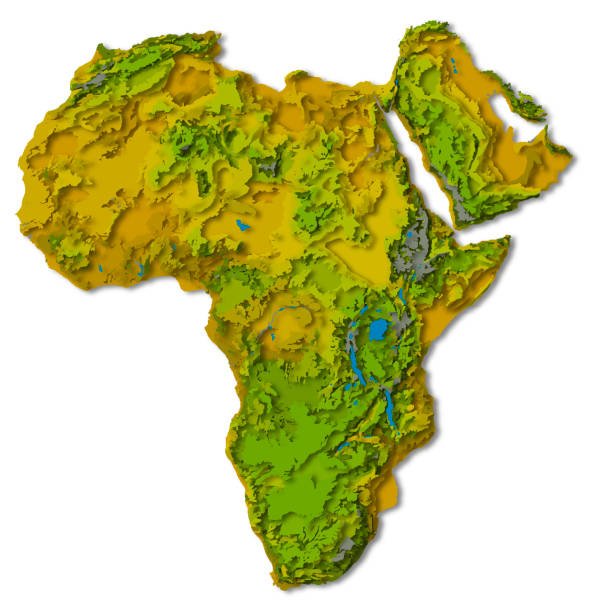
The question, Did Africans build castles? often stems from a Eurocentric understanding of architecture, but the resounding answer is an emphatic yes. While not always mirroring European feudal structures, numerous ancient African civilizations constructed breathtakingly sophisticated and fortified architectural marvels that served as royal residences, defensive strongholds, and centers of power. These structures, often referred to as palaces, citadels, or walled cities, performed the same functions as castles, demonstrating advanced engineering, societal complexity, and artistic ingenuity across the continent.
For centuries, misconceptions have obscured the rich architectural history of Africa, often due to colonial narratives that downplayed indigenous achievements. However, archaeological discoveries and historical research continually reveal a vibrant tapestry of construction, from the stone cities of Great Zimbabwe to the mud-brick fortresses of the Sahel and the elaborate royal enclosures of Ethiopia. Understanding these structures requires broadening our definition of a “castle” to encompass any large, fortified building or complex that served as a residence for royalty or nobility, a defensive stronghold, or an administrative center for a powerful state, which Africa certainly possessed in abundance.
Defining “Castles” in the African Context
When considering whether Africans built castles, it is crucial to move beyond a rigid European template of stone keeps and moats. African civilizations developed unique architectural styles and construction methods tailored to their environments, available resources, and cultural needs. These “castles” include a diverse range of structures:
- Fortified Cities: Entire urban centers enclosed by massive walls for defense.
- Royal Enclosures: Complexes of buildings serving as royal palaces, administrative hubs, and spiritual centers, often heavily fortified.
- Citadels and Fortresses: Structures primarily designed for military defense and control over strategic locations.
The materials varied widely, from the dry-stone masonry of Southern Africa to the coral and lime of the Swahili coast, and the monumental mud-brick (banco or adobe) architecture prevalent in West Africa. These structures were not mere huts but testaments to highly organized societies with skilled artisans and complex political systems, providing crucial insight into ancient African architecture.
Great Zimbabwe: A Majestic Stone Kingdom
Perhaps one of the most iconic answers to the question, Did Africans build castles? lies in the breathtaking ruins of Great Zimbabwe. Located in Southern Africa, this UNESCO World Heritage site served as the capital of a powerful kingdom between the 11th and 15th centuries. It is an extraordinary example of indigenous stone architecture, built entirely without mortar, showcasing incredible precision and engineering prowess.
The Architecture of Great Zimbabwe
The complex is divided into three main areas:
- The Hill Ruin: Perched atop a steep hill, this was likely the royal residence or spiritual center, featuring impressive dry-stone walls, narrow passages, and granite outcrops integrated into the architecture.
- The Great Enclosure: The most famous structure, it boasts massive curving walls, reaching up to 11 meters high and 5 meters thick, enclosing a large conical tower and numerous smaller structures. Its purpose is debated but likely served as a royal palace and ceremonial space.
- The Valley Ruins: A collection of smaller enclosures and dwellings spread across the valley floor.
The scale, sophistication, and sheer defensive capability of Great Zimbabwe firmly establish it as a prime example of an African fortress or royal citadel. It housed an estimated 18,000 people at its peak and controlled a vast trading network extending to the East African coast, making it a pivotal center of medieval Africa.
The Castles of Ethiopia: Gondar’s Royal Enclosure
Moving to East Africa, the city of Gondar in Ethiopia offers another compelling answer to the query, Did Africans build castles? The Fasil Ghebbi, or Royal Enclosure, of Gondar, is a magnificent walled complex built by Emperor Fasilides in the 17th century and expanded by successive emperors. This site, also a UNESCO World Heritage site, is a testament to the powerful Ethiopian Empire and its distinctive architectural heritage.
Fasil Ghebbi: A Fusion of Styles
The structures within Fasil Ghebbi are often explicitly referred to as Gondar castles. They showcase a fascinating blend of local Ethiopian design, Indian influences (brought by Jesuit missionaries), and later European Baroque styles. Key buildings include:
- Fasilides’ Castle: A grand two-story stone building with large towers and parapets, dominating the enclosure.
- Iyasu I’s Palace: Known for its ornate decorations and impressive scale.
- Bakaffa’s Banqueting Hall: An elegant structure used for royal feasts and ceremonies.
These stone castles, complete with defensive walls, watchtowers, and moats (like Fasilides’ Bathing Pool, which served a defensive role in addition to its religious function), are unmistakable examples of African fortresses and royal residences constructed with durability and grandeur. They reflect the wealth, power, and political stability of the Ethiopian Empire.
Fortified Settlements of the Swahili Coast
Along the East African coast, sophisticated Swahili city-states flourished through extensive maritime trade networks from the 10th to the 19th centuries. While perhaps not “castles” in the European sense, many of these cities were heavily fortified, featuring massive coral stone walls, watchtowers, and elaborate defensive systems that protected their urban centers and wealthy populations. They represent a unique form of historical African structures.
Gedi and Other Swahili Ruins
- Gedi Ruins (Kenya): An abandoned Swahili town believed to have been founded in the 13th century, Gedi features impressive town walls, a palace, several mosques, and residential houses, all constructed from coral stone and lime mortar. The outer walls and sophisticated urban layout indicate a concern for defense and organization.
- Kilwa Kisiwani (Tanzania): Once the most powerful Swahili city, Kilwa boasts the ruins of the Great Mosque, the Husuni Kubwa palace complex (a large fortified residence with over 100 rooms, swimming pools, and sophisticated sanitation), and defensive walls that protected the island.
These coastal cities were not just trading posts; they were vibrant, independent entities that developed distinct architectural styles, combining African, Islamic, and Indian influences. Their defensive structures were crucial for safeguarding their wealth and sovereignty against rivals and external threats, showcasing advanced ancient African architecture.
West African Defensive Architecture and Royal Palaces
West Africa also boasts a rich tradition of grand, fortified structures, though often utilizing earth and mud-brick rather than stone. These edifices served as royal palaces, administrative centers, and crucial defensive strongholds for powerful African empires.
Sahelian Architecture: Mud-Brick Marvels
- Walls of Kano (Nigeria): The ancient city of Kano was encircled by massive mud-brick walls, some reaching up to 15 meters high and 12 meters thick at their base, with 13 gates. These walls, built as early as the 11th century, protected the thriving commercial and political center of the Hausa kingdom for centuries. They represent one of the most extensive defensive systems in Africa.
- Royal Palaces of the Benin Kingdom (Nigeria): The capital of the powerful Benin Kingdom, Benin City, was renowned for its intricate network of walls and moats, creating one of the largest earthworks in the world. The royal palace complex itself was a vast, sprawling ensemble of courtyards, halls, and residential quarters, enclosed and fortified. While largely destroyed by British forces in 1897, historical accounts and archaeological findings describe a sophisticated urban design and a palace complex that was truly magnificent.
- Timbuktu (Mali): While famous for its mosques and universities, Timbuktu and other cities in the Mali and Songhai Empires featured large, multi-story mud-brick residences and palaces that incorporated defensive elements. The distinct Sahelian architecture style, characterized by its towering mud structures and use of wooden scaffolding, made these buildings formidable as well as beautiful.
These examples underscore that Sub-Saharan castles and fortified cities were integral to the political and social fabric of numerous West African kingdoms, demonstrating an advanced understanding of urban planning and defense.
Beyond the Famous: Other African Architectural Wonders
While the structures mentioned above are prominent, they represent only a fraction of Africa’s diverse architectural heritage:
- Lalibela (Ethiopia): While not “castles” in the traditional sense, the rock-hewn churches of Lalibela (12th-13th century) are an engineering marvel, carved out of solid rock, creating intricate, fortress-like religious complexes that demonstrate unparalleled skill and dedication.
- Kongo Kingdom Royal Enclosures (Central Africa): Historical records describe sophisticated royal residences and fortified centers within the Kongo Kingdom, though many were made of less durable materials and have not survived archaeologically to the same extent as stone structures.
- Ancient Nubia (Sudan): The kingdoms of Kush and Meroë built impressive temples, palaces, and fortifications along the Nile, including the pyramids of Meroë and the city of Kerma, which featured massive mud-brick defensive walls.
These sites collectively affirm the presence of advanced, often fortified, architecture throughout African history, dispelling the myth of a continent devoid of grand, pre-colonial building traditions. They are invaluable for understanding African architectural marvels.
Materials and Construction Techniques
The construction of these African “castles” involved innovative use of local materials and sophisticated techniques:
- Dry-Stone Masonry: Exemplified by Great Zimbabwe, where stones were meticulously cut and fitted without mortar to create stable, enduring structures.
- Mud-Brick (Adobe/Banco): Widely used across the Sahel and West Africa, this technique involved sun-dried earth bricks, often reinforced with wood, to build towering structures capable of supporting multiple stories and withstanding the elements. Regular replastering was a crucial maintenance aspect.
- Coral Stone: Utilized along the Swahili coast, coral was quarried, cut into blocks, and bonded with lime mortar to construct durable buildings, including palaces and defensive walls.
- Wood and Thatch: While less durable for large “castles” in the long term, these materials were essential for numerous building types and often integrated into larger fortified complexes, particularly in forested regions.
The ingenuity in adapting to diverse geographical conditions and maximizing available resources is a hallmark of indigenous African construction, allowing for the creation of vast and complex building projects.
Why the Misconception Persists
The persistent question, Did Africans build castles? is not just about architectural knowledge but also about historical narratives. Several factors contribute to this misconception:
- Colonial Suppression: European colonial powers often deliberately downplayed or denied the advanced nature of African civilizations to justify their rule, leading to the destruction of records and suppression of indigenous histories.
- Eurocentric Definitions: A narrow, Eurocentric definition of “castle” often excludes the diverse forms of fortified architecture found across Africa, which were equally functional and impressive.
- Material Bias: The perception that only stone structures are “permanent” or “significant” overlooks the longevity and grandeur of mud-brick architecture, which requires continuous maintenance to endure.
- Limited Global Education: African history and achievements are often marginalized in global educational curricula, leading to a lack of awareness about the continent’s rich past.
Challenging these biases is essential for a more accurate and inclusive understanding of world history and pre-colonial African buildings.
Reclaiming the Narrative: The Importance of Studying African Architecture
Acknowledging that Africans built castles and other sophisticated architectural forms is vital for several reasons:
- Correcting Historical Injustices: It helps to dismantle false narratives that portrayed Africa as historically undeveloped or lacking complex societies.
- Celebrating Innovation: It highlights the extraordinary ingenuity and engineering prowess of African peoples, who developed unique solutions to their environmental and defensive challenges.
- Understanding Political Complexity: Grand architecture is often a reflection of complex political structures, organized labor, and significant wealth, indicating the presence of powerful and sophisticated states and African empires.
- Cultural Pride: For people of African descent, knowledge of this rich architectural heritage instills pride and a stronger connection to their ancestral past.
Studying these African architectural marvels provides invaluable insights into the social, economic, and political dynamics of past civilizations, enriching our collective human history.
Conclusion
The question, Did Africans build castles? deserves more than a simple yes; it calls for an exploration of the incredible diversity and sophistication of ancient African architecture. From the monumental dry-stone walls of Great Zimbabwe to the grand stone fortresses of Gondar and the vast mud-brick fortifications of West African cities, the continent is rich with structures that served as centers of power, royal residences, and defensive strongholds. These “castles” are not mere imitations of European counterparts but unique and equally impressive architectural achievements born from distinct cultural, environmental, and technological contexts. Recognizing and celebrating this heritage is crucial for a complete and accurate understanding of human history, firmly establishing Africa’s profound contributions to global architectural innovation and societal development.
Enjoyed this read?
Share it with your friends and colleagues.