Did Africans Build Ships

BSC Insights Admin
October 07, 2026
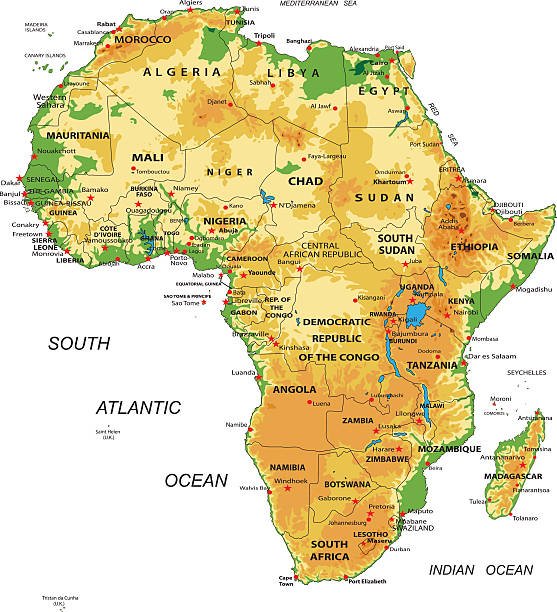
Yes, Africans absolutely built ships and possessed a profound and diverse tradition of maritime technology and seafaring throughout history, predating European contact by millennia. From the ancient riverine vessels of the Nile to the sophisticated ocean-faring dhows of the Swahili Coast, African maritime history is rich with innovation, exploration, and extensive trade networks. This legacy challenges many common misconceptions about the continent's historical engagement with the sea, showcasing advanced shipbuilding techniques and navigational expertise.
A Legacy Forged in Water: Ancient Egypt and Nubia
The earliest and most well-documented examples of African shipbuilding emerge from the Nile Valley, where the river served as the lifeblood of civilization. Both Ancient Egypt and Nubia developed sophisticated methods for constructing vessels adapted to their needs, ranging from simple reed boats to large wooden ships capable of sea voyages.
The Nile's Navigators: Ancient Egyptian Shipbuilding
Ancient Egyptian boats were integral to their society, used for transport, trade, warfare, and ceremonial purposes. Initially, they mastered the art of building vessels from bundles of papyrus reeds, waterproofed with bitumen. These early craft, depicted in numerous tomb paintings, were surprisingly robust and suitable for riverine travel and even short coastal trips.
The Rise of Wooden Vessels: From Trade to Exploration
As their technological capabilities advanced, Egyptians transitioned to building larger, more durable wooden ships. While local timber was scarce, they imported cedar from Lebanon and utilized indigenous acacia for their hulls. These ships featured mortise and tenon joints, a sophisticated method of construction that made them remarkably strong. This innovation allowed for the creation of vessels capable of carrying significant cargo and traversing more challenging waters.
Notable Expeditions: Punt and Mediterranean Voyages
Egyptian maritime prowess is exemplified by historical accounts of ambitious expeditions. Queen Hatshepsut's famous expedition to the land of Punt (likely modern-day Eritrea or Somalia) around 1477 BCE involved a fleet of large wooden ships designed for deep-sea travel. These voyages facilitated the exchange of goods like frankincense, myrrh, gold, and exotic animals, highlighting Egypt's capability for long-distance African exploration and trade across the Red Sea. They also engaged in active trade routes across the Mediterranean.
Nubia's Riverine Mastery and Beyond
South of Egypt, the ancient kingdom of Nubia also flourished along the Nile, developing its own distinct Nubian seafaring traditions. Like their northern neighbors, Nubians relied heavily on river transport for trade and communication. Their vessels, often made from wood, were crucial for connecting the vast stretches of their empire and facilitating trade with central Africa and Egypt.
Connecting Cultures Along the Nile
Nubian boats were essential for navigating the Nile's cataracts and rapids, serving as vital links in ancient trade networks. They transported goods such as gold, ivory, timber, and slaves, playing a pivotal role in the economic and cultural exchange of the region. This continuous riverine traffic demonstrates a consistent and enduring tradition of African maritime technology.
Maritime Links to the Red Sea
While primarily riverine, archaeological evidence suggests that Nubian cultures also had access to the Red Sea, engaging in coastal trade and potentially influencing or being influenced by maritime practices of other Red Sea cultures. This broader engagement highlights a more expansive view of pre-colonial African navigation.
West Africa's Riverine and Coastal Traditions
On the western side of the continent, distinct traditions of African shipbuilding evolved, primarily centered around vast river systems like the Niger, Senegal, and Congo, as well as the Atlantic coast. Here, the dugout canoe became the most prevalent and adaptable form of vessel.
Dugout Canoes: The Lifeline of West African Waters
West African canoes, crafted by hollowing out massive tree trunks, varied greatly in size and design, tailored for specific uses. Smaller canoes were used for fishing and local transport, while larger versions, sometimes over 80 feet long, could carry dozens of people and substantial cargo. These larger canoes were fundamental for long-distance riverine trade, connecting inland communities to coastal markets and fostering complex economic systems.
Atlantic Coastal Trade and Fishing
Along the Atlantic coastline, particularly in regions like modern-day Ghana, Benin, and Nigeria, coastal communities developed advanced paddling and sailing techniques for their canoes. These vessels were used for extensive fishing, engaging in local coastal trade routes, and even for naval purposes during conflicts between coastal kingdoms. Their ability to navigate the often-turbulent Atlantic waters near the shore demonstrates considerable skill and knowledge of local currents and weather patterns.
Possible Transatlantic Connections
While a subject of ongoing debate, some historical accounts and archaeological findings suggest the possibility of pre-Columbian transatlantic voyages originating from West Africa. For instance, the Mandinka king Abu Bakr II is said to have launched expeditions across the Atlantic in the early 14th century, though definitive proof remains elusive. Nonetheless, the sheer scale and navigational expertise demonstrated by some West African societies indicate a capacity for ambitious maritime undertakings.
East Africa and the Indian Ocean: A Crossroads of Maritime Innovation
Perhaps one of the most vibrant and internationally significant chapters in African maritime history unfolds along the East African coast, where the Swahili civilization emerged as a powerful trading force thanks to its mastery of the Indian Ocean trade winds and the iconic dhow.
The Swahili Coast: Masters of the Dhow
The Swahili people, a blend of indigenous African and Arab influences, became adept shipbuilders and sailors, harnessing the monsoon winds to establish an extensive Indian Ocean trade network. Their principal vessel was the Swahili dhow, a graceful wooden sailing ship characterized by its distinctive triangular (lateen) sail and sturdy construction. These vessels were not merely local craft; they were the backbone of an economic system that connected East Africa to Arabia, Persia, India, and even as far as China.
Building the Dhow: A Testament to African Ingenuity
The construction of dhows showcased remarkable shipbuilding expertise. Traditionally, dhows were often built without nails, using coir (coconut fiber) rope to stitch the planks together. This method, while seemingly primitive, allowed the hull to flex, making the vessels incredibly resilient against the stresses of ocean waves and reducing damage upon impact with coral reefs. The primary timber used was usually mangrove, abundant along the East African coast, known for its durability and resistance to rot. This unique construction is a prime example of ingenious African nautical innovations.
Extensive Trade Networks: Connecting Continents
For centuries, dhows facilitated the exchange of goods like gold, ivory, timber, spices, textiles, and pottery. Cities such as Kilwa, Mombasa, and Zanzibar became bustling maritime hubs, testament to the success of Swahili navigators and their vessels. The annual cycle of the monsoon winds allowed for predictable voyages, enabling a sophisticated schedule of trade and cultural exchange that enriched the entire region and beyond. This demonstrates significant capabilities in African seafaring.
The Lamu Archipelago: A Living Heritage
Even today, the Lamu Archipelago in Kenya remains a vibrant center for dhow building and sailing, preserving centuries-old traditions. Skilled artisans continue to construct dhows using methods passed down through generations, offering a living connection to the profound African maritime history and sustained shipbuilding in Africa.
Materials and Techniques: African Shipbuilding Expertise
The ingenuity of African shipbuilding lay in its adaptability and resourcefulness. Shipbuilders across the continent utilized locally available materials and developed sophisticated techniques that were well-suited to their environment and needs.
From Reed to Timber: Adapting to Resources
Materials varied significantly by region. In the Nile Valley, reeds and acacia wood were primary. Along the West African rivers and coast, large hardwood trees were perfect for dugout canoes. The East African coast relied heavily on mangrove timber for dhow construction. This intelligent use of resources highlights a deep understanding of material properties and sustainable practices. Each material presented unique challenges and opportunities, which African craftsmen expertly navigated.
Tools and Craftsmanship
African shipbuilders employed a range of tools, from stone implements in earlier periods to iron axes, adzes, and chisels as metallurgy advanced. The precision required for fitting planks, shaping hulls, and stitching segments together speaks to a high level of craftsmanship and technical skill. The oral transmission of these skills, often within families or guilds, ensured the continuity and evolution of maritime technology Africa.
Navigation and Seafaring Skills
Beyond building ships, African navigation was equally advanced. Sailors relied on a combination of celestial navigation (stars), observation of currents, wave patterns, and wind directions, as well as a deep understanding of coastal landmarks. For instance, Indian Ocean sailors mastered the monsoons, allowing for precise seasonal voyages. This navigational expertise enabled long-distance travel and successful trade.
Beyond Utility: Ships as Symbols of Power and Culture
African vessels were not just tools for transport or trade; they also held significant cultural, spiritual, and political importance. Their design and use often reflected societal structures, spiritual beliefs, and the power of rulers.
Royal Barges and Ceremonial Vessels
In Ancient Egypt, elaborate barges were constructed for pharaohs, used in religious ceremonies and as symbols of their divine authority. The solar bark of Khufu, discovered near the Great Pyramid, is a stunning example of such a vessel, built to transport the pharaoh in the afterlife. Similarly, in some West African kingdoms, large, decorated canoes served as royal barges, underscoring the prestige and wealth of their rulers.
Artistic Depictions of African Seafaring
Throughout African history, art has often depicted ships and seafaring activities. From tomb paintings in Egypt showing fleets of ships to rock art in the Sahara depicting ancient lake-dwelling cultures with their boats, these artistic representations provide invaluable insights into the types of vessels used, the activities they facilitated, and their cultural significance. They stand as enduring testaments to the long and varied African maritime history.
Debunking Myths: The Global Impact of African Maritime History
The pervasive myth that Africans were largely isolated from the sea or lacked sophisticated maritime capabilities has been thoroughly debunked by historical and archaeological evidence. This misconception often stems from Eurocentric historical narratives that prioritize European exploration and technological achievements.
Challenging Eurocentric Narratives
Acknowledging the extensive history of African shipbuilding and seafaring is crucial for a more accurate and inclusive understanding of global history. African societies were not passive recipients of external influences but active participants and innovators in maritime trade, exploration, and cultural exchange. Their contributions shaped economies, fostered new cultures, and connected diverse populations long before the arrival of European colonial powers.
Acknowledging African Contributions to Global Exploration and Trade
From the ancient Egyptians navigating the Red Sea and Mediterranean to the Swahili mariners linking East Africa with Asia, African exploration by sea and their robust trade networks were vital components of the global economy for millennia. Understanding this rich heritage helps to restore Africa's rightful place in the broader narrative of maritime achievement and innovation, showcasing that Africans were indeed master shipbuilders and fearless sailors.
Conclusion
In conclusion, the answer to the question, "Did Africans build ships?" is an emphatic yes. Africa's diverse peoples developed remarkable maritime technologies and traditions over thousands of years. From the sophisticated wooden vessels of Ancient Egypt and Nubia that plied the Nile and Red Sea, to the sturdy dugout canoes of West Africa that navigated rivers and coastal waters, and the iconic dhows of the Swahili Coast that dominated the Indian Ocean trade, African shipbuilding and seafaring were integral to the continent's development and its connections to the wider world. This rich and often overlooked history demonstrates a profound expertise in maritime technology Africa, proving Africans were formidable architects of the seas, shaping global trade and culture long before many other civilizations.
Enjoyed this read?
Share it with your friends and colleagues.