Did Africans Burn Sage

BSC Insights Admin
October 07, 2026
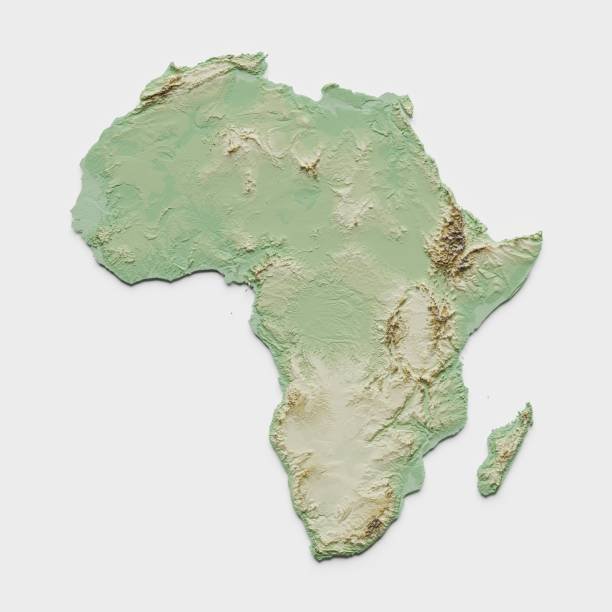
Did Africans burn sage? While the specific white sage (Salvia apiana) commonly associated with "smudging" in Native American traditions is not indigenous to Africa, various African cultures have a profound and ancient history of burning aromatic plants, resins, and woods for spiritual, medicinal, and ceremonial purposes. This practice, often referred to as smoke cleansing or censing, is a cornerstone of many indigenous African traditions, distinct in its botanical sources and cultural contexts but sharing a universal human connection to purifying and connecting through fragrant smoke.
The Deep Roots of Smoke Rituals in Africa
The practice of burning aromatic substances for various purposes is not exclusive to any single continent but is a global phenomenon with deep historical roots. In Africa, archaeological evidence suggests the use of aromatic plants and resins dates back thousands of years. From ancient Egypt to the bustling markets of Zanzibar, fragrant smoke has played an indispensable role in daily life, religious ceremonies, and healing practices. These African smoke rituals are intricately woven into the fabric of society, serving spiritual, social, and medicinal functions.
Historical Evidence and Ancient Practices
- Ancient Egypt: The Egyptians were prolific users of incense, particularly frankincense and myrrh, which were burned during religious rites, embalming processes, and as offerings to deities. Texts and tomb paintings depict the elaborate ceremonies involving fragrant smoke.
- Nubian Kingdoms: Following in the footsteps of Egypt, the Nubians also embraced the burning of aromatics for similar spiritual and ceremonial purposes, connecting across regions through trade routes that facilitated the exchange of these valuable commodities.
- Sahara and Sahel Regions: Historical accounts and ethnographic studies indicate the long-standing tradition of burning specific local woods and resins for protection against evil spirits, to purify homes, and during social gatherings.
These historical precedents underscore that the concept of smoke cleansing and using fragrant botanicals for spiritual purposes is deeply embedded in the historical narrative of the African continent.
The Multifaceted Role of Aromatic Plants in African Spirituality and Healing
The burning of indigenous African aromatic plants and resins extends far beyond mere fragrance; it embodies a holistic approach to well-being that integrates the spiritual, physical, and communal. These traditions are not uniform but incredibly diverse, reflecting the myriad cultures and ecosystems across the continent.
Spiritual Cleansing and Protection
One of the primary functions of burning aromatics in African spiritual practices is for purification and protection. Just as smoke rises and dissipates, it is believed to carry away negative energies, evil spirits, and ill intentions. This makes herbal smoke cleansing Africa a vital ritual:
- Purifying Spaces: Homes, sacred sites, and ritual spaces are often censed to clear stagnant or negative energies before ceremonies or to welcome new beginnings.
- Personal Cleansing: Individuals might pass through smoke to cleanse their aura, remove spiritual blockages, or prepare for important life events.
- Warding Off Evil: Certain plants are burned specifically for their protective qualities, creating a barrier against malevolent forces or misfortune.
Communication with Ancestors and Spirits
For many indigenous African traditions, smoke serves as a sacred medium, a bridge between the physical and spiritual realms. The rising smoke is seen as a pathway for prayers, offerings, and messages to reach ancestors and deities. This connection is fundamental to many traditional African rituals:
- Ancestral Offerings: Smoke from specific plants might accompany prayers to ancestors, seeking guidance, blessings, or appeasement.
- Divination: In some cultures, diviners might use smoke in their rituals to gain insight, interpret signs, or facilitate communication with the spirit world.
- Blessings and Consecration: New tools, objects, or individuals can be consecrated or blessed through smoke to imbue them with spiritual power.
Healing and Medicinal Applications
Beyond the spiritual, many African plant use traditions involve burning herbs for their medicinal properties. The inhalation of smoke can deliver therapeutic compounds to the respiratory system or act as an antiseptic for the environment:
- Respiratory Ailments: Smoke from certain herbs is inhaled to relieve coughs, colds, asthma, and other breathing difficulties.
- Insect Repellent: The smoke from particular plants helps to deter mosquitoes and other disease-carrying insects, especially in rural settings.
- Disinfection: Burning herbs with antimicrobial properties can help to cleanse the air and surfaces in sick rooms.
This holistic approach highlights the inherent understanding within Traditional African medicine that health is not merely the absence of disease but a balance between the physical, spiritual, and communal.
Prominent African Aromatic Plants and Resins
While sage as known in North America is absent, Africa boasts a rich tapestry of indigenous flora used for smoke rituals. The specific plants and resins vary significantly by region and culture, reflecting the continent's immense biodiversity.
Frankincense and Myrrh: The Treasures of the Horn of Africa
Perhaps the most globally recognized fragrant resins Africa has to offer are frankincense (from Boswellia species) and myrrh (from Commiphora species). These have been traded and used extensively for millennia, particularly in Northeast Africa (Ethiopia, Somalia, Eritrea, Sudan):
- Frankincense Africa: Known as 'Luban' or 'Etor,' it is revered for its deeply meditative and purifying scent. It's burned in churches, mosques, and homes for prayers, ceremonies, and general well-being. Its use is central to many traditional coffee ceremonies in Ethiopia and Eritrea.
- Myrrh Africa: Often used in conjunction with frankincense, myrrh has a more bitter, earthy aroma and is valued for its healing and protective qualities. It has historically been used in embalming and as a medicinal incense.
These resins underscore Africa's ancient contributions to global aromatic practices and highlight the specific botanical treasures that are genuinely African.
African Wormwood (Artemisia afra) and Impepho (Helichrysum species)
In Southern Africa, other indigenous plants hold immense cultural and medicinal significance, playing roles similar to those of purifying herbs in other parts of the world:
- African Wormwood (Artemisia afra): Known as 'Lengana' in Sesotho or 'Umhlonyane' in Xhosa/Zulu, this ubiquitous plant is a staple in Traditional African medicine. It is commonly burned to cleanse spaces, ward off illness, and is sometimes used by traditional healers (sangomas) during consultation and healing rituals. The smoke is believed to clear negative energy and promote spiritual clarity.
- Impepho (Helichrysum species): Used predominantly by traditional healers and spiritual practitioners in Southern Africa, especially among the Zulu and Xhosa, impepho is considered a sacred herb. It is burned to invoke ancestors, facilitate communication with the spiritual realm, and for deep spiritual cleansing Africa. Its distinctive, earthy aroma is immediately recognizable within these contexts.
These examples demonstrate that while the specific species differ, the purpose of burning indigenous plants for spiritual and healing purposes is a strong parallel to what some might associate with "sage burning."
Other Regional African Aromatic Plants
Across the vast continent, countless other local plants are used:
- West African Incense: Various woods, barks, and leaves (e.g., from trees like Daniellia oliveri or specific types of gum Arabic) are burned in West African cultures for rituals, blessings, and to create pleasant atmospheres.
- East African Aromatics: Beyond frankincense and myrrh, various local herbs and woodchips are used for their unique fragrances and spiritual properties, often tied to specific tribal customs.
- North African Traditions: While influenced by Mediterranean and Middle Eastern practices, local herbs and resins are still used in practices related to warding off the evil eye and blessing homes.
The diversity of African plant use highlights the deep connection between people, land, and spiritual practice.
Distinguishing African Smoke Rituals from North American Smudging
It is crucial to differentiate between the distinct cultural origins and practices surrounding the burning of aromatic plants. The term "smudging" specifically refers to a ceremonial practice of several Indigenous North American peoples, traditionally involving plants like white sage (Salvia apiana), cedar, sweetgrass, and tobacco.
While both traditions involve the use of smoke for purification and spiritual connection, they are ethnobotanically and culturally distinct:
- Botanical Differences: The plants used in African smoke rituals are indigenous to Africa (e.g., Boswellia, Commiphora, Artemisia afra, Helichrysum species), whereas white sage is native to specific regions of North America.
- Cultural Origins: African practices evolved independently within diverse African societies, carrying their own unique cosmologies, languages, and ritual frameworks. They are not derivative of North American Indigenous practices.
- Terminology: Using terms like "African smudging" can be misleading and lead to cultural appropriation. It's more accurate to refer to these as African smoke rituals, smoke cleansing Africa, or censing practices, respecting their specific cultural contexts.
Understanding this distinction is vital for respecting the integrity of both African and North American Indigenous traditions and avoiding the pitfalls of cultural appropriation, particularly concerning the overharvesting and commercialization of sacred plants like white sage.
The Enduring Legacy and Modern Relevance
Today, traditional African rituals involving aromatic smoke continue to thrive across the continent and within the diaspora. They are living traditions, passed down through generations, adapting while retaining their core spiritual and communal significance. From daily household practices to elaborate community ceremonies, the burning of indigenous African aromatic plants remains a powerful tool for connection, healing, and cultural identity.
As interest in natural wellness and spiritual practices grows globally, there is a renewed appreciation for these ancient methods. However, it's essential that this appreciation comes with respect for the cultural origins and the sustainable sourcing of these precious botanicals. Supporting communities that traditionally cultivate and use these plants is paramount to preserving both the practices and the ecosystems.
Conclusion
In conclusion, while the answer to "Did Africans burn sage?" is generally no, in the specific sense of North American white sage, the broader answer is a resounding yes to the practice of herbal smoke cleansing Africa. African cultures have a rich, diverse, and ancient heritage of burning a wide array of indigenous aromatic plants, resins like frankincense and myrrh, and herbs such as African wormwood and impepho. These practices are integral to African spiritual practices, serving vital roles in purification, protection, communication with ancestors, and healing. They represent a distinct and powerful set of traditions, deeply rooted in the continent's unique history, biodiversity, and spiritual wisdom, deserving of recognition and respect in their own right.
Enjoyed this read?
Share it with your friends and colleagues.