Did Africans Celebrate Christmas

BSC Insights Admin
October 01, 2026
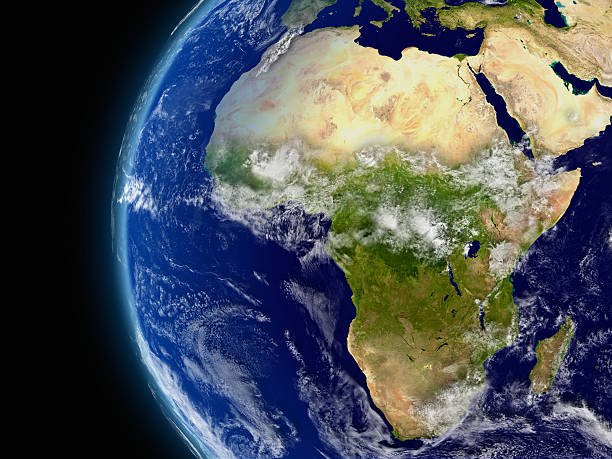
Yes, Africans do celebrate Christmas, and have done so for centuries, though the celebration manifests in incredibly diverse and culturally rich ways across the vast continent. Christianity has deep, ancient roots in Africa, long predating European colonialism in many regions, leading to a complex tapestry of traditions that blend indigenous customs with Christian observances. These celebrations vary significantly by country, denomination, and local culture, making each African Christmas experience distinct and vibrant.
The Enduring Roots of Christianity and Christmas in Africa
To understand African Christmas celebrations, it's crucial to acknowledge the continent's profound and ancient connection to Christianity. Unlike common misconceptions, Christianity was not solely introduced by European missionaries during the colonial era. Indeed, some of the earliest Christian communities outside the Middle East were established in Africa.
Ancient Christian Strongholds: Egypt and Ethiopia
- Egypt: Christianity arrived in Egypt in the 1st century AD, leading to the formation of the Coptic Orthodox Church. Coptic Christians celebrate Christmas on January 7th, following the Julian calendar. Their observance includes a strict fast (paramoun) leading up to Christmas Eve, followed by midnight church services and a celebratory feast (fatta) with family and friends.
- Ethiopia: Ethiopia holds one of the oldest continuous Christian traditions globally, with Christianity becoming the state religion in the 4th century. The Ethiopian Orthodox Tewahedo Church also celebrates Christmas, known as Genna (or Ledet), on January 7th. Genna is marked by a day of fasting, followed by elaborate church services, often beginning at dawn. Pilgrimages to sacred sites like Lalibela are common. People dress in white traditional attire (shamma), enjoy traditional games, and share a festive meal, often featuring ‘doro wat’ (chicken stew) and ‘injera’ (sourdough flatbread).
These ancient traditions highlight that Christmas in Africa is not a recent import but a deeply ingrained spiritual and cultural phenomenon in many parts of the continent, showcasing a history as old as Christianity itself.
The Influence of European Missionaries and Colonialism
While ancient Christian communities thrived, the 19th and 20th centuries saw a significant expansion of Christianity across sub-Saharan Africa due to European missionary efforts and colonialism. This period introduced different Christian denominations (Protestantism, Catholicism) and, consequently, new ways of observing Christmas, often aligning with Western traditions.
However, African communities didn't simply adopt these traditions wholesale. Instead, they ingeniously integrated them with existing indigenous practices, creating unique syncretic forms of worship and celebration. This blending is a hallmark of African Christmas traditions, where foreign elements are reinterpreted through an African lens.
Key Aspects of Post-Colonial Christmas Adaptations:
- Adaptation of Carols: Western Christmas carols were translated into local languages and often set to African rhythms, creating vibrant and energetic musical performances.
- Community Focus: While gift-giving might be present, the emphasis often remains strongly on community, family, and religious observance rather than commercialism.
- Blending Rituals: Traditional African elements, such as storytelling, communal dancing, and specific food preparation, found their way into Christmas festivities.
Diverse Christmas Celebrations Across the African Continent
The vastness and diversity of Africa mean there isn't a single way to celebrate Christmas in Africa. Instead, it's a kaleidoscope of regional and local customs.
East Africa: Kenya, Tanzania, Uganda
In countries like Kenya, Tanzania, and Uganda, Christmas is a major holiday, celebrated on December 25th. Families typically travel to their rural homes to be with extended relatives. Key aspects include:
- Church Services: Attending midnight or morning church services is central, often featuring choirs and joyful processions.
- Feasting: A lavish meal is prepared, often featuring roasted goat, chicken, rice, chapati, and local vegetables. Sharing food is a significant part of the celebration.
- New Clothes: Many people wear new, often brightly colored, clothes for Christmas day.
- Community Gatherings: Neighbors and friends visit each other, exchanging greetings and sharing food and drinks.
West Africa: Nigeria, Ghana, Ivory Coast
West African nations, home to large Christian populations, celebrate Christmas with immense enthusiasm and communal spirit.
- Nigeria: One of Africa's most populous nations, Nigeria sees elaborate Christmas celebrations. Streets are decorated, carols are sung, and churches hold special services. A central element is the ‘Christmas visit,’ where families visit elders and relatives, often bringing gifts. Food, especially jollof rice, fried rice, and various stews, is plentiful. Children often light firecrackers and enjoy sparklers.
- Ghana: Christmas in Ghana is marked by church services, family reunions, and parades. Many Christian families decorate their homes with palm branches and colorful lights. Special meals featuring chicken, goat, fish, and local staples are common. Music and dance are integral, with church choirs performing and local bands playing.
Southern Africa: South Africa, Zimbabwe
Celebrating Christmas in the southern hemisphere brings a unique twist: it's summertime! This influences the nature of festivities.
- South Africa: Christmas Day in South Africa is often spent outdoors. Many families enjoy ‘braais’ (barbecues) in their gardens or at beaches and parks. Traditional Christmas puddings and mince pies are often served alongside local dishes. Attending church services is still important for many. The Boxing Day (December 26th) often extends the holiday, with further family gatherings or sporting events.
- Zimbabwe: Christmas in Zimbabwe is a time for family gatherings, often involving travel to rural areas. Church services, feasting on roast chicken or beef, and the exchange of small gifts are common. Children particularly enjoy the festivities, often receiving new clothes and treats.
Central Africa: Democratic Republic of Congo, Cameroon
In Central Africa, Christmas is also a deeply religious and communal affair.
- Democratic Republic of Congo (DRC): Christmas Eve is often marked by elaborate nativity plays performed by children and special church services. Christmas Day is a joyous occasion for family meals, visiting friends, and expressing goodwill. Music and dance are prominent in both religious services and secular celebrations.
This regional overview demonstrates that Christmas traditions in Africa are incredibly varied, reflecting the continent's rich tapestry of cultures, climates, and historical influences.
Unique African Christmas Traditions and Adaptations
Beyond the regional variations, several common threads and unique adaptations characterize Christmas celebrations in African countries:
- Music and Dance: African gospel music, rhythmic drumming, and joyous dancing are central to many Christmas church services and secular festivities. Carols are often sung in local languages, infused with distinct African musical styles.
- Food and Feasting: While special European dishes might appear, indigenous staples and celebratory meals are paramount. This includes dishes like ‘jollof rice’ (West Africa), ‘injera’ (Ethiopia), ‘ugali’ (East Africa), and various meat stews. The act of sharing food is a powerful symbol of community and generosity.
- Attire: Many Africans wear their finest clothes, often new and brightly colored, for Christmas Day church services and family visits. Traditional garments are frequently chosen for their celebratory appeal.
- Focus on Community and Family: The commercialism often associated with Western Christmas is generally less pronounced. The emphasis is heavily on gathering with extended family, reconnecting with community members, and reaffirming social bonds. Gift-giving, when it occurs, is often modest, focusing on practical items or small tokens, especially for children.
- Nativity Plays and Processions: In many areas, children actively participate in elaborate nativity plays and parades, reenacting the story of Christ's birth, adding a vibrant and educational dimension to the holiday.
These elements underscore how Africans celebrate Christmas by embedding it deeply within their cultural framework, making it uniquely their own.
The Cultural Significance and Evolution of Christmas in Africa
Christmas in Africa is more than just a religious holiday; it's a significant cultural event that reinforces family ties, community spirit, and cultural identity. It provides an opportunity for:
| Aspect | Significance |
|---|---|
| Religious Observance | A profound expression of faith, attending church, reflecting on the birth of Jesus. |
| Family Reunion | A critical time for extended families to gather, often traveling long distances to do so. |
| Community Bonding | Sharing food, visiting neighbors, participating in communal festivities strengthens social cohesion. |
| Cultural Expression | A platform for showcasing traditional music, dance, attire, and culinary arts. |
| Generosity | Sharing resources, offering hospitality, and sometimes providing aid to less fortunate community members. |
The celebration continues to evolve. With increased urbanization and global connectivity, some Western commercial aspects, such as Christmas trees and Santa Claus figures, are becoming more common in larger cities. However, these are often integrated without overshadowing the core African values of community, faith, and family. The underlying spirit of Christmas in Africa remains firmly rooted in its local context.
Challenges and Nuances in African Christmas Celebrations
While Christmas is widely celebrated, it's essential to acknowledge the nuances:
- Religious Diversity: Africa is home to a significant Muslim population and various indigenous belief systems. Christmas celebrations are primarily observed by Christian communities.
- Economic Disparities: The scale of celebration can be influenced by economic factors. While the spirit of community remains, lavish feasts or gift-giving might be constrained by financial realities for some.
- Regional Conflicts: In areas affected by conflict, celebrations may be subdued or focused on prayers for peace.
Despite these challenges, the resilience and adaptability of African communities ensure that the essence of Christmas – hope, faith, and togetherness – shines through.
Conclusion
In conclusion, the question, Did Africans Celebrate Christmas, is unequivocally answered with a resounding yes. From the ancient Coptic and Ethiopian traditions dating back millennia to the vibrant and diverse celebrations in sub-Saharan Africa, Christmas is a deeply cherished and widely observed holiday across the continent. It is a testament to Africa's rich Christian heritage, its cultural dynamism, and its ability to embrace and transform global traditions into something uniquely African. The diverse ways in which Christmas is celebrated in Africa highlight a beautiful blend of deep faith, strong community bonds, festive cultural expression, and unwavering family unity, making it a profound and joyous time for millions.
Enjoyed this read?
Share it with your friends and colleagues.