How Did Africans Change The Americas

BSC Insights Admin
October 01, 2026
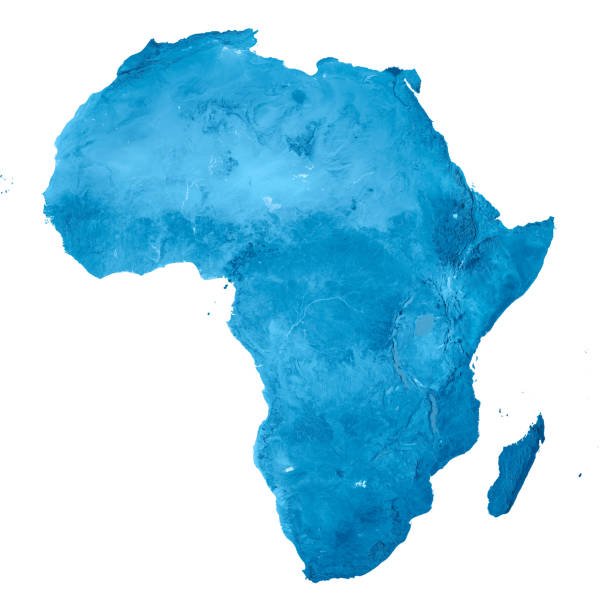
Africans profoundly transformed the Americas through their invaluable labor, diverse cultures, and unwavering resilience, fundamentally shaping its demography, economy, and societal fabric in lasting ways. From the foundational economic structures built on their forced labor to the vibrant cultural expressions that define entire regions, the African influence on Americas is an indelible mark on the continent's identity, making the Americas a hybrid civilization enriched by countless contributions from the African diaspora.
The arrival of Africans in the Americas, primarily through the brutal Transatlantic Slave Trade, initiated a complex and often tragic chapter in global history. Yet, it also catalyzed an extraordinary fusion of cultures, technologies, and perspectives. This article delves into the multifaceted ways Africans changed the Americas, examining their impact on agriculture, cuisine, music, language, religion, social structures, and the enduring fight for freedom and equality.
The Economic Backbone: Labor and Agricultural Revolution
The most immediate and devastating impact of Africans in the Americas was their forced labor, which became the cornerstone of colonial economies. Enslaved Africans were instrumental in developing lucrative plantation systems that fueled European empires. Without their immense effort, the vast wealth generated from cash crops like sugar, tobacco, cotton, and indigo would have been unattainable, dramatically altering global trade routes and economic power dynamics.
Agricultural Expertise and Innovation
Many Africans brought with them extensive knowledge of agriculture, horticulture, and animal husbandry from diverse regions across the continent. This expertise was particularly vital in the cultivation of crops well-suited to tropical and subtropical climates, which were often unfamiliar to European colonizers. For example, West African farmers had sophisticated techniques for rice cultivation, which they introduced and adapted to the challenging swampy conditions of regions like the American South and parts of Brazil. Their methods included intricate irrigation systems and knowledge of processing, making rice a staple crop and a major economic driver.
- Rice: African knowledge transformed low-country South Carolina and Georgia into major rice-producing regions.
- Indigo: Essential for dyes, African expertise in its processing was critical for the plant's economic viability.
- Cotton and Sugar Cane: African laborers possessed the skills and endurance required for intensive cultivation and processing of these highly profitable crops, building vast fortunes for their enslavers.
- Livestock Management: Africans also contributed to the care and management of livestock, bringing knowledge from cattle-herding societies.
Beyond specific crops, Africans introduced sustainable farming practices and tools, shaping the very landscape and agricultural infrastructure of the Americas. Their labor built roads, cleared land, and constructed the physical foundations of colonial expansion, fundamentally laying the groundwork for future development across the continent.
Cultural Fusion: A Tapestry Woven with African Threads
Despite the horrors of enslavement, Africans actively preserved, adapted, and fused their cultural traditions with those of Indigenous peoples and Europeans, creating unique and vibrant cultural expressions that are distinctly American. This cultural hybridity is perhaps the most profound and lasting way Africans influenced the Americas.
Culinary Arts and Foodways
The culinary traditions African Americas are rich with ingredients and techniques brought from Africa. Foods like okra, black-eyed peas, yams, collard greens, and watermelon, along with spices and cooking methods, journeyed across the Atlantic. The traditional stewing techniques, one-pot meals, and the use of hot peppers common in African cuisines deeply influenced Southern American cooking, Caribbean dishes, and Brazilian feijoada. Gumbo, jambalaya, and other iconic dishes are direct descendants of African culinary genius, illustrating a deep and delicious African contribution to American cuisine.
- Okra and Gumbo: The word "gumbo" itself derives from an Angolan word for okra, highlighting its African roots.
- Frying Techniques: Popular in West Africa, frying methods were adopted widely.
- Peanut Cultivation: Peanuts, originally from South America, were re-introduced and popularized in North America by African foodways.
Music and Dance: Rhythms of Resilience
The musical heritage African Americas is one of the continent's most dynamic contributions. African rhythms, scales, instruments (such as various drums, banjos, and stringed instruments), and vocal styles (like call-and-response) formed the bedrock for entirely new musical genres. From spirituals and gospel to blues, jazz, rock and roll, samba, salsa, reggae, and hip-hop, African musical principles are undeniably present. These forms of expression not only provided solace and community but also became powerful tools for resistance and cultural preservation.
Dance, too, carries a strong African imprint. The rhythmic movements, body isolations, and improvisational nature found in many American dance forms, from carnival celebrations to modern street dance, can be traced back to African traditions. This rich legacy demonstrates how African culture shaped American music.
Language and Oral Traditions
While many enslaved Africans were forced to learn European languages, they profoundly influenced these languages, leading to the creation of new creole languages and dialects. The Gullah language spoken in the Sea Islands of South Carolina and Georgia, for instance, is a direct linguistic link to West African languages, preserving syntax and vocabulary. Similarly, Haitian Creole, Jamaican Patois, and Louisiana Creole demonstrate significant African linguistic structures. Beyond formal languages, African storytelling traditions, proverbs, and rhetorical styles infused American oral culture, enriching narratives and communication patterns.
Religious and Spiritual Practices
African spiritual systems, beliefs, and rituals, often practiced secretly, blended with Catholicism and Protestantism to form unique syncretic religions. Vodou in Haiti, Candomblé in Brazil, Santería in Cuba, and various forms of folk Catholicism across the Americas are powerful examples of this spiritual synthesis. These practices offered enslaved people a sense of continuity, community, and spiritual resilience in the face of brutal oppression. Even within mainstream Christian denominations, African influences can be seen in vibrant worship styles, emphasis on emotional expression, and the integration of music.
Social and Political Transformations
The presence of Africans and their descendants fundamentally altered the social and political landscapes of the Americas. The system of racial slavery established rigid hierarchies that continue to impact societies today, but it also spurred monumental struggles for freedom, equality, and human rights.
The Architecture of Race and Class
Slavery created a racial caste system, cementing ideas of white supremacy and establishing a social order based on race that permeated every aspect of life. This system dramatically affected wealth distribution, political power, and social mobility for centuries. The legacy of these racial structures is still evident in contemporary issues of inequality and systemic discrimination across the Americas.
Resistance, Rebellion, and the Fight for Freedom
Africans were not passive victims; their resistance was a constant force for change. From everyday acts of sabotage to organized revolts, runaways (Maroons) establishing independent communities (like Palmares in Brazil or the various Maroon settlements in Jamaica), and pivotal slave rebellions (such as the Haitian Revolution, which led to the establishment of the first free black republic), their fight for liberation was unrelenting. These acts of resistance were crucial in challenging the institution of slavery and inspiring abolitionist movements, ultimately leading to emancipation across the hemisphere.
The ongoing struggle for civil rights and social justice by people of African descent, from the abolitionist movements of the 19th century to the Civil Rights Movement in the United States and similar movements across Latin America and the Caribbean, has been central to expanding democratic ideals and pushing societies towards greater equity and inclusion. This consistent fight for dignity and human rights stands as a powerful testament to the enduring legacy of Africans in Americas.
Architecture, Crafts, and Artistic Expressions
Beyond the performing arts, Africans also contributed significantly to the material culture and built environment of the Americas. Their skills as artisans, blacksmiths, carpenters, and masons were indispensable in constructing the infrastructure of colonial societies.
- Building Techniques: Africans introduced and utilized unique building techniques, especially in hot and humid climates, employing local materials effectively.
- Ironwork and Craftsmanship: Many Africans were skilled ironworkers, bringing sophisticated metallurgical knowledge that was crucial for tool making, construction, and decorative arts.
- Textiles and Basketry: Traditional African weaving and basket-making techniques were adapted and continued, creating distinctive regional crafts that are still celebrated today.
- Visual Arts: African aesthetic principles influenced early American folk art, sculpture, and later, modern art movements, contributing to a diverse visual landscape.
These contributions showcase the broad range of ways African traditions enriched American societies in practical and artistic terms.
The Modern Legacy: Shaping Contemporary Identity
Today, the African diaspora impact continues to reverberate across the Americas. The demographic makeup of many nations, particularly in the Caribbean, Brazil, and the United States, is profoundly influenced by the descendants of Africans. Their cultures have become an intrinsic part of national identities, recognized globally for their vibrancy and historical depth.
The ongoing contributions in literature, sports, politics, and academia further illustrate the dynamic role of people of African descent. From Nobel laureates to groundbreaking athletes, influential politicians, and leading scholars, the legacy of African ingenuity and spirit continues to shape the trajectory of the Americas. Understanding how Africans changed the Americas is not merely an exercise in history; it is an acknowledgment of the foundational elements that constitute modern American societies.
Conclusion
The question of how did Africans change the Americas elicits a complex narrative of exploitation, resistance, and extraordinary cultural genesis. Africans, against unimaginable odds, indelibly imprinted their mark on the continent, transforming its economic landscape, enriching its cultural tapestry, and challenging its social and political norms. Their labor built economies, their culinary arts diversified global palates, their music ignited new genres worldwide, and their persistent fight for freedom laid crucial groundwork for human rights movements. The enduring resilience, creativity, and contributions of Africans and their descendants are not merely a footnote in American history but rather a central, vibrant, and indispensable chapter that continues to evolve, making the Americas the diverse and dynamic continent it is today. The African influence on Americas is a testament to the power of human spirit and the lasting impact of cultural exchange.
Enjoyed this read?
Share it with your friends and colleagues.