How Did Africans Change The Americas

BSC Insights Admin
September 30, 2026
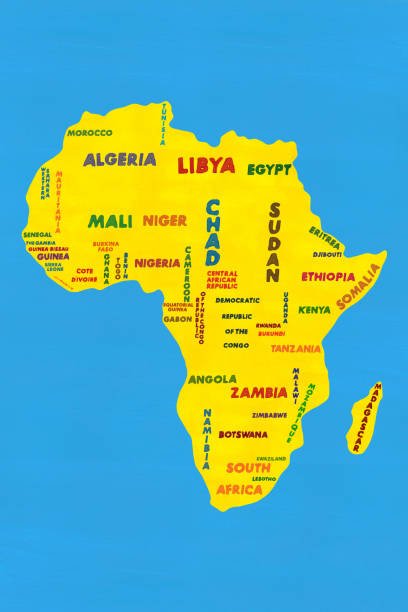
Africans profoundly changed the Americas through their invaluable contributions in virtually every sphere of life, from enriching its cultures, revolutionizing its agriculture, and shaping its culinary traditions to influencing its social structures, languages, and political landscapes. Despite the brutal circumstances of their arrival via the transatlantic slave trade, Africans brought with them a wealth of knowledge, skills, and enduring spirit that irrevocably molded the development and identity of the entire Western Hemisphere, establishing a foundational legacy that continues to resonate today.
The Enduring Legacy of African Expertise and Resilience
The transatlantic slave trade forcibly brought millions of Africans to the Americas, but it could not erase their rich heritage, diverse skills, and indomitable will. These individuals, hailing from various ethnic groups across West, Central, and Southeast Africa, carried with them sophisticated knowledge systems that would prove instrumental in the development of the New World. Their contributions were not merely a matter of labor; they were a transfer of complex expertise that fundamentally altered the economic, social, and cultural fabric of the Americas.
From the moment of their arrival, Africans began to adapt, resist, and create, weaving their traditions into the nascent societies of the Americas. This process, often born out of necessity and survival, laid the groundwork for entirely new cultural expressions that blended African retentions with indigenous and European influences. The resilience displayed by these populations under extreme duress is a testament to the strength and adaptability of African cultures, ensuring their impact would be both deep and lasting.
Agricultural Revolution Fueled by African Knowledge
One of the most significant ways Africans changed the Americas was through their advanced agricultural knowledge. Many enslaved Africans came from societies with highly developed farming practices, particularly in tropical and subtropical crops. This expertise was critical for the economic success of European colonies.
- Rice Cultivation: Africans from West Africa, especially the 'Rice Coast,' possessed unparalleled knowledge of rice cultivation, including irrigation, planting, and harvesting techniques. This expertise was vital for establishing large-scale rice plantations in the Carolinas and Georgia, transforming these regions into incredibly wealthy agricultural powerhouses. Without this specific knowledge, the rice industry in North America would likely not have flourished to the extent it did.
- Other Cash Crops: African knowledge also extended to crops like indigo, cotton, sugar cane, and tobacco. They knew how to process these labor-intensive crops efficiently, ensuring higher yields and greater profits for plantation owners. Their techniques for soil management, crop rotation, and pest control were often superior to those of their European counterparts.
- New Food Staples: Africans introduced new crops to the Americas, such as okra, black-eyed peas, watermelon, and certain varieties of yams. These became staples in the diets of both enslaved and free people, eventually integrating into broader American cuisine.
The economic prosperity of many American colonies and later nations was inextricably linked to the agricultural prowess and forced labor of Africans. Their skills were not simply an added benefit; they were the backbone of agrarian economies, demonstrating a profound African influence on American agriculture.
Cultural Kaleidoscope: Music, Cuisine, Language, and Spirituality
The cultural impact of Africans on the Americas is arguably the most vibrant and pervasive, creating unique forms of expression that have become globally recognized. These contributions demonstrate the incredible creativity and resilience of African peoples.
The Rhythm and Soul of American Music
African musical traditions are the undeniable bedrock of much of American music. The call-and-response patterns, syncopation, complex rhythms, and improvisation inherent in African music directly influenced the development of numerous genres.
- Blues and Jazz: Originating from spirituals, work songs, and field hollers, the blues emerged as a distinctly African American musical form, expressing pain, hope, and everyday life. Jazz, with its improvisational nature and sophisticated rhythmic structures, developed from the blues and ragtime, becoming America's quintessential art form and influencing music worldwide.
- Gospel and Spirituals: African American spirituals, born from the unique experience of slavery, were powerful expressions of faith and longing for freedom. They laid the foundation for gospel music, which continues to be a vibrant and influential genre.
- Latin American and Caribbean Rhythms: In the Caribbean and Latin America, African rhythms fused with European and indigenous elements to create genres like salsa, rumba, samba, reggae, calypso, and merengue. These musical forms are rich with African percussive traditions and rhythmic complexities.
The African musical heritage is not just a part of American music; it often defines it, offering powerful narratives and unparalleled rhythmic diversity.
A Taste of Africa: Shaping American Cuisine
African culinary traditions brought to the Americas significantly shaped regional and national cuisines, particularly in the Southern United States, the Caribbean, and Brazil.
- Soul Food: This cuisine, deeply rooted in African American culture, utilizes ingredients and cooking techniques brought from Africa or adapted in the Americas. Dishes like Gumbo, Jambalaya, Hoppin' John, fried okra, and greens reflect African staples and preparation methods.
- Flavor Profiles: The use of specific spices, cooking oils, and techniques like stewing and deep-frying can be traced back to African cooking. The concept of slow-cooked, flavorful dishes, often featuring one-pot meals, is a strong African culinary tradition.
- Ingredient Introductions: Beyond okra and black-eyed peas, ingredients like sesame seeds (benne seeds) and certain hot peppers also entered American diets through African influence.
The rich, savory flavors of African-influenced dishes have become an integral part of the American gastronomic landscape, showcasing the enduring impact of African contributions to American food.
Language and Oral Traditions
Africans influenced the development of new languages and enriched oral traditions throughout the Americas. While forced to learn European languages, they often infused them with African grammatical structures, vocabulary, and phonetic patterns.
- Creole Languages: The most direct linguistic impact is seen in the emergence of creole languages, such as Haitian Creole, Louisiana Creole, Gullah, and various Caribbean creoles. These languages are vibrant testimonies to African ingenuity, blending African syntax and lexicon with European vocabulary to create entirely new forms of communication.
- African American Vernacular English (AAVE): AAVE, a distinct dialect of English, contains grammatical features and vocabulary that scholars trace to West African language influences.
- Oral Storytelling: African traditions of oral storytelling, proverbs, and folklore influenced American narrative traditions, particularly in the South, contributing to a rich literary heritage.
The diverse ways African languages shaped American speech patterns and created new linguistic systems underscore a profound and often overlooked aspect of their legacy.
Spiritual and Religious Syncretism
African spiritual beliefs and practices profoundly influenced religious landscapes in the Americas, often blending with Catholicism and Protestantism to create unique syncretic faiths.
- Syncretic Religions: In places like Brazil, Cuba, Haiti, and other parts of the Caribbean, African traditional religions (such as Yoruba, Fon, and Kongo spiritual systems) fused with Catholicism to form religions like Candomblé, Santería, and Vodou. These faiths retain significant African theological concepts, rituals, music, and deities (orisha/loa).
- Influence on Christianity: Even within predominantly Christian contexts, African spiritual elements influenced worship styles, including fervent preaching, call-and-response participation, and emotionally expressive hymns, which became hallmarks of African American churches.
The resilience of African spiritual practices in the face of forced conversion demonstrates a deep commitment to cultural and religious identity, leaving an indelible mark on religious diversity in the Americas.
Social Structures and Political Activism
Beyond culture, Africans dramatically influenced the social and political development of the Americas. The institution of slavery fundamentally shaped economic systems, social hierarchies, and the very definition of citizenship.
The Formation of New Societies and Social Hierarchies
The transatlantic slave trade created new, often brutal, social structures based on race. The categorization and subjugation of people of African descent became central to the social order in many American societies, leading to centuries of racial discrimination and inequality. However, this also led to the formation of unique African American and Afro-descendant communities with their own internal social networks, mutual aid societies, and cultural institutions.
Resistance, Rebellion, and the Fight for Freedom
Africans and their descendants consistently resisted enslavement, directly influencing the course of history through various forms of resistance:
- Rebellions and Revolts: Major slave rebellions, such as the Haitian Revolution (which led to the first free black republic in the Americas), Nat Turner's Rebellion, and the countless smaller acts of resistance, demonstrated the fervent desire for freedom and challenged the established order.
- Maroon Communities: Throughout the Americas, particularly in the Caribbean and South America, enslaved Africans escaped and formed independent communities known as Maroons. These communities, like the Seminole Maroons in Florida or the Palmares in Brazil, successfully resisted colonial forces for generations, embodying true self-determination and creating independent African-influenced societies.
- Abolitionist Movements: Free and enslaved Africans were at the forefront of the abolitionist movements, using their voices, writings, and actions to challenge the institution of slavery and advocate for human rights. Figures like Frederick Douglass, Sojourner Truth, and Harriet Tubman were pivotal in shaping public opinion and pushing for emancipation.
- Civil Rights Movement: The struggle for civil rights in the United States and similar movements across the Americas built upon centuries of resistance, demanding equality and justice. The strategies and leadership of African Americans had a profound impact on social justice movements globally.
The enduring fight for liberation and equality by people of African descent has continuously pushed American societies towards greater democracy and human rights, demonstrating African influence on American social justice.
The Gullah Geechee Culture: A Living Legacy
A powerful example of the deep and sustained impact of Africans on the Americas is the Gullah Geechee culture, found along the Lowcountry region of the United States (coastal areas and sea islands of North Carolina, South Carolina, Georgia, and Florida). This unique culture represents one of the most significant retentions of African linguistic and cultural traditions in North America.
- Preservation of Language: The Gullah language is a creole language that has strong grammatical and lexical ties to West African languages, making it largely unintelligible to standard English speakers.
- Cultural Practices: Gullah Geechee communities have maintained distinctive traditions in crafts (such as sweetgrass basket weaving), storytelling, music, foodways, and spiritual practices that clearly reflect their West African origins.
- Historical Significance: The geographical isolation of the Sea Islands allowed for the preservation of these traditions to a remarkable degree, offering a living window into the profound legacy of Africans in the New World.
The continued existence and vibrancy of the Gullah Geechee culture underscores how African culture in the Americas did not merely survive but thrived, adapting and evolving while maintaining its core identity.
Conclusion: A Transformative Force
In conclusion, Africans undeniably transformed the Americas in profound and multifaceted ways. From their indispensable agricultural expertise that built the economic foundations of many nations to their rich cultural expressions that birthed new forms of music, cuisine, language, and spiritual practices, the African contributions to the Americas are woven into the very fabric of the continent. Despite the horrors of forced migration and enslavement, the resilience, ingenuity, and cultural richness of African peoples ensured their enduring legacy. Their struggles for freedom and equality have continuously challenged and shaped the social and political conscience of the Americas, making African contributions not just a part of its history, but a vibrant, living force that continues to define its identity and development.
Enjoyed this read?
Share it with your friends and colleagues.