Did Africans Domesticate Dogs

BSC Insights Admin
October 01, 2026
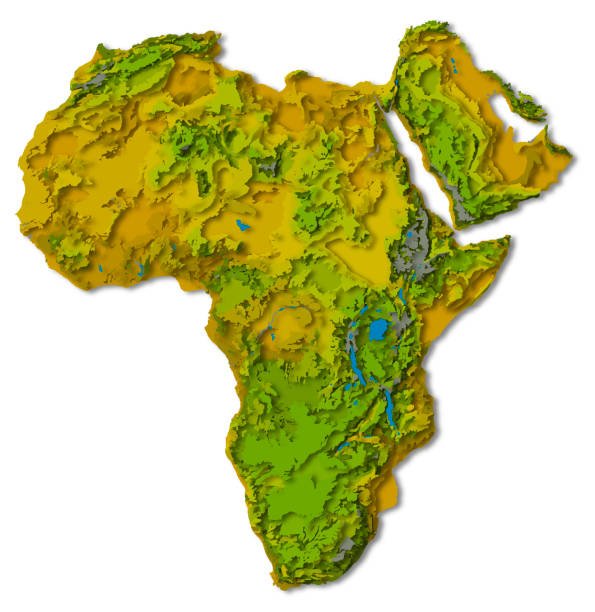
While dogs have been an integral part of African societies for thousands of years, the prevailing scientific consensus indicates that the initial domestication of dogs did not originate in Africa. Instead, archaeological and genetic evidence points to Eurasia as the primary center for this pivotal event in canine history, with dogs arriving on the African continent through subsequent migrations and trade routes, where they then adapted and thrived.
The Global Story of Dog Domestication
The journey from wild wolf to domesticated dog is one of humanity's oldest and most profound partnerships. Understanding whether Africans domesticated dogs requires looking at the broader, global narrative of this transformation, which scientists believe began well over 15,000 years ago.
The Eurasian Hypothesis: Where Dogs Began
Current research, combining genetic studies of modern and ancient canids with archaeological findings, largely supports the hypothesis that dog domestication occurred in Eurasia. While the exact geographical location within Eurasia (e.g., Siberia, East Asia, Europe, or Central Asia) remains a subject of ongoing debate among researchers, there is strong agreement that Africa was not the primary site of this initial domestication process. Genetic analyses suggest a single origin event for most dog lineages, with subsequent dispersal across the globe.
Early Human-Canine Relationships
The process of domestication was likely a protracted one, involving a mutually beneficial relationship between early humans and gray wolves. Wolves, perhaps scavenging near human settlements, gradually became tamer, eventually leading to a co-evolutionary partnership. These proto-dogs offered early humans assistance in hunting, protection, and companionship, while humans provided food and shelter. This symbiotic relationship was fundamental to the expansion of both species across continents, including their eventual arrival in Africa.
Dogs Arrive in Africa: A Journey of Integration
Despite not being the origin point of domestication, Africa has a rich and ancient history with domesticated dogs. The continent served as a significant stage for the adaptation, diversification, and cultural integration of these animals.
Migration Routes and Ancient Connections
Evidence suggests that dogs arrived in Africa through multiple waves of migration, primarily accompanying human populations. The earliest dogs likely entered North Africa from the Near East thousands of years ago, possibly as early as the late Stone Age. Subsequent migrations brought more diverse dog populations across the Sahara and down into sub-Saharan Africa. These journeys were often linked to major human migrations, such as the expansion of pastoralist and agricultural communities, who valued dogs for their utility.
Archaeological Evidence of Dogs in Africa
Archaeological sites across Africa have yielded compelling evidence of the early presence of domesticated dogs. For instance, findings in Egypt depict dogs prominently in ancient art, suggesting their importance in society. Grave sites occasionally reveal human burials accompanied by dogs, indicative of a deep bond and their perceived role in the afterlife. Discoveries in various parts of the continent, from the Nile Valley to the Sahara, underscore that dogs were not just passing visitors but quickly became established members of African communities, adapting to diverse environments and cultures.
Distinctive African Dog Breeds and Their Heritage
While the initial domestication event occurred elsewhere, Africa became a crucible for the development of unique and resilient dog breeds, highly adapted to their local environments and the needs of their human companions. These breeds are a testament to the long and intimate history of dogs in Africa.
The Basenji: A "Barkless" Enigma
Perhaps the most famous indigenous African dog breed is the Basenji. Originating from Central Africa, particularly the Congo Basin, Basenjis are renowned for their distinctive "barkless" nature (they produce a unique yodel-like sound) and their meticulous self-grooming habits, similar to a cat. Genetic studies have shown the Basenji to be one of the most ancient dog breeds, closely related to the earliest dogs that dispersed from Asia into Africa. They were traditionally used by indigenous tribes for hunting, particularly for flushing out small game from dense brush. Their keen senses and agility made them invaluable companions.
The Africanis: A True Native Dog
The Africanis dog is another prime example of Africa's unique canine heritage. Often described as the "aboriginal dog of Southern Africa," the Africanis is not a specific breed in the conventional sense but rather a landrace – a group of dogs that have developed through natural selection in a particular environment with minimal human intervention. These dogs embody thousands of years of adaptation to the African landscape, displaying incredible resilience, health, and intelligence. They are typically medium-sized, short-coated, and vary in color, reflecting their diverse genetic background. Their existence provides strong evidence of ancient African dog breeds that have evolved over millennia on the continent.
Other Indigenous African Canines
Beyond the Basenji and Africanis, many other local types and landraces of dogs are found across Africa, each adapted to specific regional conditions and human practices. These include various pastoralist dogs, hunting dogs, and village dogs. While not formally recognized breeds, their genetic makeup and physical characteristics reflect their long history and co-evolution with local human populations. Studying these populations offers valuable insights into canine evolution in Africa and the distinct pressures that shaped them over time.
The Role of Dogs in African Societies
Across the diverse cultures and landscapes of Africa, dogs have played multifaceted and indispensable roles, deeply woven into the fabric of daily life, economy, and spiritual beliefs.
Hunting Companions and Protectors
From the arid savannas to dense forests, dogs have been critical hunting partners for numerous African communities. Their superior sense of smell, tracking abilities, and agility made them invaluable for locating and cornering game, from small rodents to larger antelopes. Beyond hunting, dogs served as vital protectors of livestock and human settlements, alerting their owners to predators like lions, leopards, or even human intruders. This protective role fostered a strong sense of loyalty and mutual dependence between humans and dogs.
Cultural Significance and Beliefs
The relationship between humans and dogs in Africa extends beyond mere utility. In many African cultures, dogs are revered, feared, or hold symbolic meanings. They often appear in folklore, proverbs, and traditional narratives, representing loyalty, courage, or sometimes trickery. In some belief systems, dogs are thought to possess spiritual connections, acting as guardians or even messengers between the living and the spirit world. This rich cultural tapestry highlights the deep spiritual and emotional bonds that have developed over millennia.
Challenges and Resilience
Dogs in Africa often face challenging conditions, including harsh climates, endemic diseases, and limited access to veterinary care. Yet, the indigenous dog populations exhibit remarkable resilience, a testament to generations of natural selection favoring robust and adaptable animals. Their ability to survive and thrive in challenging environments further underscores their deep integration into the continent's ecosystems and human communities.
Genetic Insights: Tracing African Canine Ancestry
Advancements in genetic sequencing have provided powerful tools to unravel the complex history of dogs in Africa, offering a clearer picture of their origins and evolutionary pathways on the continent.
Unraveling the Genetic Tapestry
Genetic studies consistently show that the majority of African dog populations descend from dogs that migrated into Africa from Eurasia. These studies analyze mitochondrial DNA, Y-chromosome DNA, and autosomal DNA markers to trace lineage and population movements. The genetic diversity observed in African dogs often reflects the historical migration patterns of humans, demonstrating how closely the two species have journeyed together. While African dogs show unique genetic signatures due to adaptation and isolation, their foundational ancestry points outside the continent.
Distinguishing Domesticated Dogs from Wild Canids
It is crucial to distinguish between domesticated dogs and Africa's native wild canids, such as the African Wild Dog (Lycaon pictus), jackals, and Ethiopian wolves. These wild species are distinct evolutionary lineages and were not part of the dog domestication process. The African Wild Dog, for example, is a highly social predator with a unique evolutionary path separate from domesticated dogs and wolves. Genetic research helps clarify these distinctions, confirming that domesticated dogs in Africa are not direct descendants of these indigenous African wild canids but rather descendants of Eurasian wolves that underwent domestication elsewhere.
Domestication vs. Adaptation: Clarifying the African Context
To fully answer the question, "Did Africans domesticate dogs?" it's essential to understand the distinction between the initial domestication event and the subsequent adaptation and local evolution of dog populations within Africa.
What Constitutes Domestication?
Domestication is defined as the process by which a population of animals is genetically modified over generations through selective breeding (either intentional or unintentional by humans) to thrive in human environments and serve human purposes. This typically involves changes in morphology, physiology, and behavior that make the species more amenable to living alongside humans. While dogs in Africa have certainly undergone significant evolutionary changes and adaptations to their specific environments and human interactions, these changes occurred within populations that were already domesticated prior to their arrival on the continent.
African Influence on Canine Diversity
While not the originators of domestication, African environments and human cultures have profoundly shaped canine diversity. The unique genetic signatures, physical traits, and behavioral patterns observed in indigenous African dog breeds like the Basenji and Africanis are a testament to millennia of natural selection and selective pressures within Africa. These dogs represent a crucial chapter in the ongoing story of human-canine co-evolution, demonstrating how a domesticated species can continue to adapt and diversify in new geographical and cultural contexts.
Conclusion
In summary, the scientific consensus is that Africans did not domesticate dogs in the sense of initiating the primary domestication event from wild wolves. This transformative process occurred in Eurasia. However, dogs have an incredibly long and significant history on the African continent, dating back thousands of years. They arrived with migrating human populations and swiftly became indispensable members of African societies, adapting to diverse ecological niches and cultural practices. This led to the development of unique and resilient African dog breeds, such as the Basenji and Africanis, which embody a profound legacy of co-existence and mutual reliance. The story of dogs in Africa is not one of original domestication, but rather a powerful narrative of deep integration, remarkable adaptation, and enduring partnership between humans and their canine companions.
Enjoyed this read?
Share it with your friends and colleagues.