Do Africans Not Eat Pork

BSC Insights Admin
September 30, 2026
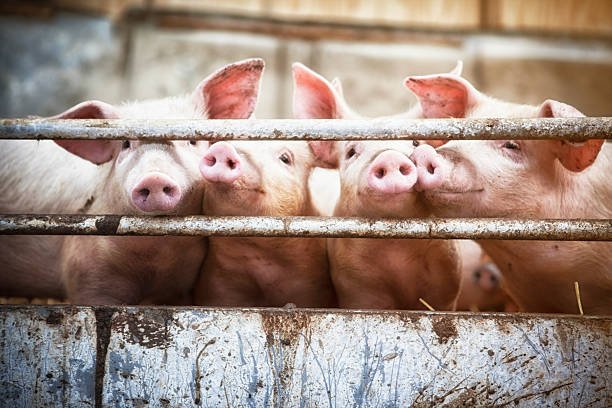
Contrary to a common misconception, Africans do eat pork, though the patterns of consumption are incredibly diverse and influenced by a myriad of factors including religion, culture, economic conditions, and regional preferences across the continent. It is an oversimplification to assume a uniform dietary practice for an entire continent home to over 1.4 billion people across 54 diverse countries. Therefore, the direct answer to "Do Africans not eat pork?" is a nuanced one: while some don't due to various reasons, many others do, making pork consumption in Africa a complex and varied topic.
The Diverse Landscape of Pork Consumption in Africa
Africa is a continent of immense diversity, encompassing a wide array of cultures, religions, and socio-economic systems. This rich tapestry directly impacts dietary habits, including the consumption of pork. While certain religious beliefs prohibit pork for a significant portion of the population, many communities and regions across Africa consume it regularly, integrating it into their traditional cuisines and modern diets. Understanding this complexity requires a deep dive into the various factors at play.
Religious Influences on African Dietary Habits
Religion plays a particularly significant role in shaping African dietary habits. Two major religions, Islam and Judaism, strictly prohibit the consumption of pork, influencing the habits of a substantial portion of the African population.
- Islam: With approximately half of Africa's population adhering to Islam, particularly in North Africa, parts of West Africa (like Nigeria, Senegal), and East Africa (like Somalia, Sudan, coastal Kenya and Tanzania), adherence to Islamic dietary laws (Halal) means pork is forbidden. In these regions, finding pork products can be rare or non-existent in public markets and restaurants, and societal norms strongly discourage its consumption.
- Judaism: Although the Jewish population in Africa is smaller, primarily concentrated in South Africa, Ethiopia, and parts of North Africa, Jewish dietary laws (Kashrut) also explicitly prohibit pork, deeming it non-kosher.
- Christianity: The vast majority of Christian denominations do not prohibit pork consumption, making it a permissible meat source for a large segment of the population, especially in Sub-Saharan Africa. Countries with strong Christian majorities, such as Nigeria, Ghana, Kenya, Uganda, and South Africa, often show considerable pork consumption in Africa. Many Christians view dietary restrictions as symbolic rather than literal, allowing them freedom in meat choices.
- Traditional African Religions: While less codified than Abrahamic faiths, some traditional African spiritual practices may have specific taboos or dietary restrictions related to certain animals. However, these are typically localized to specific ethnic groups or clans and are less universally applied to pork across the continent compared to Islamic or Jewish prohibitions. In many cases, traditional beliefs do not restrict pork, and it forms part of communal feasts.
This religious mosaic means that pork consumption patterns in Africa vary dramatically from one country, or even one town, to another, often correlating directly with the dominant religious demographic. It highlights why a blanket statement about Africans eating pork is inaccurate.
Cultural and Regional Variations in Pork Consumption
Beyond religion, local culture, historical influences, and culinary traditions significantly dictate whether and how pork is consumed. Different regions of Africa exhibit distinct approaches to pork, often developing unique dishes and preparation methods.
- West Africa: In countries like Nigeria, Ghana, Benin, and Togo, where there are large Christian and traditionalist populations, pork is widely consumed. It features in various local dishes, often grilled, fried, or used in rich stews. For instance, in parts of Nigeria, grilled pork skewers are a popular street food, especially in areas like Lagos or Enugu. In Ghana, 'Aponkye Nkrakra' (goat light soup) often has pork variations, and roasted pork ('chichinga') is a beloved delicacy. These regional preferences contribute significantly to overall pork consumption in Africa.
- East Africa: Nations such as Kenya, Uganda, Rwanda, and Tanzania have a growing appetite for pork, particularly in urban areas and among non-Muslim communities. Uganda, for example, is noted for its high per capita pork consumption in some regions, with dishes like 'Muchomo' (roasted or grilled pork) being extremely popular and a staple at social gatherings. In Kenya, pork stew with ugali is a common meal, and pork is increasingly appearing on restaurant menus and in local butcheries as incomes rise.
- Southern Africa: Countries like South Africa, Namibia, and Botswana have a significant pork industry and consumption, heavily influenced by historical European culinary traditions. Pork chops, bacon, sausages, and roasts are common items found in supermarkets and homes. Traditional 'braais' (barbecues) often include various pork products, from boerewors (a type of sausage) to marinated pork ribs. The popularity here showcases a robust market for Africans who eat pork.
- Central Africa: Nations such as Cameroon, Democratic Republic of Congo, and Central African Republic also show significant pork consumption, often prepared in flavourful stews with local spices, or simply grilled. Pig farming is an important economic activity in many rural areas, providing both food and income.
- North Africa: Due to the overwhelming Muslim majority, pork consumption is extremely rare, almost non-existent, and pork products are generally not available in public markets, aligning strictly with religious prohibitions.
These regional differences powerfully illustrate that a simplistic, sweeping statement about Africans eating pork or not is inherently flawed and fails to capture the continent's culinary and cultural vibrancy.
Economic Factors and Market Dynamics of Pork
The economics of pork production and consumption also play a crucial role in its prevalence across Africa. In many African countries, pork can be a relatively affordable source of protein compared to other meats like beef, goat, or even chicken, especially for rapidly growing urban populations and those with lower incomes. This makes it a significant component of African dietary habits for economic reasons.
Consider these key economic aspects:
- Affordability: Pork can sometimes be cheaper to produce and, consequently, more affordable for consumers than other meats. Pigs have a high feed conversion ratio and a relatively quick growth cycle, which can translate to lower retail prices, making it an accessible protein option for diverse income levels, thereby bolstering pork consumption in Africa.
- Local Production and Livelihoods: Pig farming is a significant source of livelihood for many smallholder farmers across Sub-Saharan Africa. It requires less land than cattle farming and pigs have a faster reproduction rate and higher litter sizes, contributing significantly to food security and local rural economies. For many families, selling pigs provides a crucial income stream.
- Market Availability and Infrastructure: The availability of pork depends heavily on local production, import policies, and market demand. In areas with high demand and robust local supply chains, pork is readily available in markets, butcheries, and restaurants. However, inadequate infrastructure for processing, cold storage, and transportation can hinder market access for remote farmers.
- Urbanization and Changing Diets: As African populations increasingly move to urban centers, dietary patterns shift. Convenience, affordability, and diverse taste preferences often drive food choices, and pork fits this niche in many cities, particularly through street food vendors and fast-food establishments.
A hypothetical look at the economic contributions of pork production across the continent reveals varied impacts. For instance, in Uganda, the pork industry has shown significant growth, contributing substantially to agricultural GDP in some regions and providing employment for thousands, despite facing challenges such as disease outbreaks.
| Region/Country Group | Predominant Religious Influence | Pork Consumption Level (General) | Typical Preparation & Role |
|---|---|---|---|
| North Africa (e.g., Egypt, Algeria, Morocco) | Islam (dominant) | Very Low / Non-existent | N/A (Generally unavailable/forbidden) |
| West Africa (e.g., Nigeria, Ghana, Benin) | Christianity, Islam, Traditional | Moderate to High (non-Muslim areas) | Grilled skewers, Fried chunks, Stews; popular street food & celebratory meat |
| East Africa (e.g., Uganda, Kenya, Rwanda) | Christianity, Islam, Traditional | Moderate to High (non-Muslim areas) | Roasted (Muchomo), Grilled, Curries; staple protein, growing commercial sector |
| Southern Africa (e.g., South Africa, Namibia, Botswana) | Christianity, Traditional, Other | High | Braaied, Chops, Sausages, Roasts; widely available, integrated into diverse cuisines |
| Horn of Africa (e.g., Somalia, Ethiopia, Eritrea) | Islam, Orthodox Christianity | Very Low (Somalia), Low (Ethiopia - non-fasting periods) | N/A (Somalia), Limited availability (Ethiopia); cultural/religious constraints |
Nutritional Value and Health Considerations of Pork
Pork is a rich source of high-quality protein, essential vitamins (especially B vitamins like B1, B2, B3, B6, B12), and vital minerals (such as iron, zinc, and phosphorus). For many communities in Africa, particularly those with limited access to diverse protein sources, pork can be a crucial component of a balanced diet, contributing significantly to nutritional security.
However, like any meat, there are important health considerations that influence how Africans eat pork:
- Trichinosis: A parasitic infection associated with undercooked pork containing larvae of the Trichinella spiralis parasite. Proper and thorough cooking methods are crucial to eliminate this risk, emphasizing food safety practices.
- Fat Content: While some cuts of pork can be high in saturated fat, leaner cuts (like tenderloin or loin chops) are available, and proper trimming of visible fat can significantly reduce overall fat intake, aligning with health-conscious diets.
- Food Safety and Hygiene: Ensuring hygiene in all stages of pork production, from farming to processing and preparation, is paramount to prevent foodborne illnesses. This includes adequate veterinary care for pigs and safe handling practices for meat.
Public health awareness campaigns and the promotion of proper culinary practices are essential to ensure the safe and healthy consumption of pork across African communities.
Challenges and Opportunities in the African Pork Industry
The pig farming sector in Africa, while growing, faces several significant challenges but also presents substantial opportunities for economic growth and improved food security.
Key Challenges:
- Disease Outbreaks: Diseases like African Swine Fever (ASF) can devastate pig populations, causing significant economic losses for farmers, particularly smallholders. Managing and preventing these highly contagious outbreaks through biosecurity measures and vaccine development remains a critical challenge for sustained pork production in Africa.
- Feed Costs and Availability: The cost and consistent availability of quality animal feed can be a major constraint for pig farmers, impacting profitability and the ability to scale operations. Dependence on imported feed can also lead to price volatility.
- Market Access and Infrastructure: Many smallholder farmers struggle with accessing reliable markets for their produce and often lack adequate infrastructure for processing, cold storage, and efficient transportation. This limits their reach, reduces profit margins, and contributes to post-harvest losses.
- Cultural Stigma and Misinformation: In some areas, despite not being religiously prohibited, there might be cultural biases or misinformation against pig farming or pork consumption, which can hinder market development and social acceptance.
Key Opportunities:
- Growing Demand: As urban populations grow, incomes rise, and dietary preferences diversify in many African countries, the demand for varied protein sources, including pork, is steadily increasing. This expanding consumer base offers a ready and lucrative market for producers.
- Economic Empowerment: Pig farming can provide sustainable livelihoods for rural communities, especially women and youth, contributing significantly to poverty reduction, job creation, and economic empowerment at the grassroots level.
- Improved Breeds and Practices: Investments in researching and developing better-adapted pig breeds, improving veterinary services, and promoting modern, sustainable farming techniques can significantly boost productivity, animal health, and profitability in the sector.
- Value Addition and Processing: Opportunities exist for processing pork into various value-added products like sausages, bacon, ham, and smoked cuts. This diversification not only caters to evolving African dietary habits but also extends shelf life, reduces waste, and enhances market value, stimulating the industry further.
Understanding and addressing these challenges while strategically capitalizing on the opportunities is crucial for the sustainable development and growth of the African pork industry, ensuring it continues to play an important role in the continent's food system.
Dispelling the Myth: Africans and Pork
The notion that Africans do not eat pork is a broad and inaccurate generalization that fails to recognize the continent's incredible internal diversity. While religious prohibitions are very strong and strictly observed in certain areas, particularly in Muslim-majority regions of North Africa, the Horn, and parts of West and East Africa, there are vast swathes of the continent where pork is a popular, culturally accepted, and economically important food source. From the bustling street food markets of Accra and Kampala to the family braais in Johannesburg and the local eateries in Kinshasa, pork holds a significant place in the diets and economies of millions of Africans.
It is crucial to approach discussions about African diets with nuance, avoiding monolithic narratives and embracing an understanding of the complex interplay of factors that shape food choices across a continent of 54 nations. Dietary patterns are dynamic, constantly evolving with urbanization, globalization, economic development, and changing socio-economic landscapes.
In conclusion, the question "Do Africans not eat pork?" is definitively answered with a resounding "It depends," underscoring the continent's profound diversity. While religious strictures, primarily Islam and Judaism, prohibit pork for many, vast populations across Christian and traditionalist regions of Sub-Saharan Africa regularly consume it. Pork serves as a vital protein source, integrated into their culinary traditions, cultural celebrations, and local economies. From West African grilled delights to East African roasted favorites and Southern African braai staples, pork consumption in Africa is a complex, varied, and significant part of the continent's rich dietary tapestry, driven by cultural heritage, religious adherence, economic accessibility, and regional availability. Dismissing the entire continent as non-pork-eaters overlooks the realities of millions and the dynamism of African food systems, painting an incomplete picture of its vibrant food culture.
Enjoyed this read?
Share it with your friends and colleagues.