Did Africans Have European Slaves

BSC Insights Admin
September 30, 2026
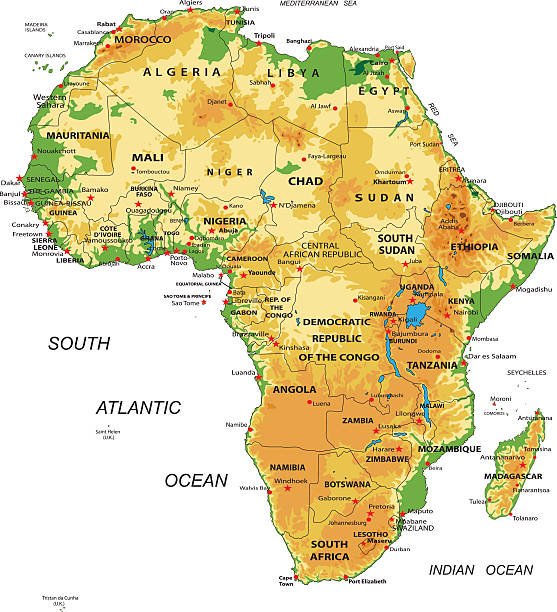
The question, "Did Africans have European slaves?" often arises in discussions about the complex history of slavery. The answer is yes, though the scale, context, and duration were significantly different from the Trans-Atlantic slave trade where Africans were overwhelmingly the victims. Historical records indicate that some Africans did indeed enslave Europeans, primarily through the Barbary slave trade from the 16th to the 19th centuries, but also in isolated instances within other regions of Africa.
Understanding Slavery's Global History
To fully grasp the instances of Africans enslaving Europeans, it's crucial to understand that slavery, in various forms, has been a pervasive institution across nearly all continents and cultures throughout history. It was not unique to any single race or region. Ancient civilizations, including those in Europe, Asia, and Africa, all practiced forms of servitude, debt bondage, and outright chattel slavery. The nature of these practices varied widely, from temporary servitude to hereditary bondage, and the reasons for enslavement ranged from war capture to criminal punishment or economic hardship.
Before the rise of the Trans-Atlantic slave trade, various forms of coerced labor and slavery were common across the African continent. Captives from inter-ethnic wars, debtors, and criminals could be enslaved. These systems often differed from chattel slavery in that slaves might retain some rights, marry into the community, or even achieve social mobility over generations. However, this is not to diminish the harsh realities and injustices inherent in any form of human enslavement.
The Barbary Slave Trade: A Primary Example of European Enslavement by Africans
The most prominent and well-documented example of Africans owning European slaves is the Barbary slave trade. This refers to the practice of corsairs (privateers and pirates) operating from the Barbary Coast of North Africa (modern-day Morocco, Algeria, Tunisia, and Libya) raiding European coastal towns and ships, capturing Europeans, and selling them into slavery.
Who Were the Barbary Corsairs?
The Barbary corsairs were largely Ottoman subjects or local North African groups who engaged in piracy and privateering, often with the tacit or explicit support of their local rulers. Their primary motivation was economic gain, seizing goods and ransoming or selling captives. While often associated with the Ottoman Empire, their operations were largely independent and driven by regional interests.
The Scale of European Enslavement
Historians estimate that between the early 16th and mid-19th centuries, anywhere from hundreds of thousands to over a million Europeans were enslaved by Barbary pirates. These figures are difficult to ascertain precisely due to fragmented records, but the impact on European coastal communities was undeniable. Raids extended far into the Atlantic, reaching as far north as Iceland and as far west as the coasts of Ireland and England. Many towns along the Mediterranean coast were depopulated or devastated by these incursions.
Methods of Capture and Life as a Slave
- Coastal Raids: Corsairs would launch surprise attacks on unprotected coastal villages and towns, capturing entire populations.
- Ship Capture: European merchant and fishing vessels were frequent targets, with crews taken captive.
- Conditions: Life for Barbary slaves was often brutal. They were forced into hard labor, such as quarrying, construction, or rowing galleys. Women sometimes became concubines or household servants. Conversion to Islam was often encouraged, sometimes forcibly, as a means of gaining better treatment or freedom.
- Ransom: Many European nations and religious orders established systems to ransom their citizens, leading to a complex economy around human trafficking. Those who could not be ransomed faced lifelong servitude or death.
Notable Incidents and European Responses
The Barbary slave trade was a significant concern for European powers for centuries. Countries like Britain, France, Spain, and later the United States, frequently launched naval expeditions to suppress the corsairs, bomb their ports, and secure the release of captives. Famously, the United States fought the Barbary Wars (early 19th century) to protect its shipping and citizens from these practices. The trade finally declined in the early 19th century due to increased European and American naval power, culminating in the French conquest of Algiers in 1830.
Beyond the Barbary Coast: Other Instances and Contexts
While the Barbary slave trade is the most prominent example, it is important to consider if Africans enslaved Europeans in other contexts. Instances of Europeans being taken captive and held in servitude within sub-Saharan African societies were far less common and did not constitute a systematic trade in the same way. These rare occurrences typically involved:
- Shipwrecked Sailors: European sailors shipwrecked on African coasts could be captured by local communities. Their fate varied widely depending on the local customs, the power dynamics, and the specific circumstances. Some might be killed, others enslaved, and some might even be integrated into the community or ransomed.
- Explorers or Traders: Early European explorers or traders who ventured inland and ran afoul of local rulers or populations could be taken captive. Their status might be more akin to political prisoners or valuable commodities for ransom than traditional slaves.
These instances were isolated and not indicative of a widespread or organized practice of African kingdoms owning European slaves. The vast majority of people enslaved within sub-Saharan Africa, both internally and through the Trans-Saharan and Trans-Atlantic trades, were other Africans.
Comparing Historical Enslavement: European Enslavement vs. African Enslavement
It is crucial to differentiate between the scale and nature of different historical slave systems when discussing the question, "Did Africans have European slaves?"
| Aspect | Barbary Slave Trade (Africans Enslaving Europeans) | Trans-Atlantic Slave Trade (Europeans Enslaving Africans) |
|---|---|---|
| Primary Originators | North African corsairs/states | European powers (Portugal, Spain, Britain, France, Netherlands) |
| Primary Victims | Europeans (sailors, coastal inhabitants) | Africans (various ethnic groups from West and Central Africa) |
| Estimated Scale | Hundreds of thousands to over 1 million | Approximately 10-12 million forcibly transported |
| Duration | ~16th to mid-19th century (approx. 300 years) | ~16th to mid-19th century (approx. 400 years) |
| Geographic Reach | Mediterranean, Atlantic coasts of Europe, North Africa | West and Central Africa to Americas, Caribbean, Europe |
| Primary Motivation | Piracy, ransom, labor, economic gain | Agricultural labor (plantations), economic exploitation, racial ideology |
| Racialization | Less overtly racialized; focus on religion/ethnicity | Deeply racialized, creating enduring systems of racial hierarchy |
Key Distinctions:
- Scale: The number of Europeans enslaved by Africans was significantly smaller than the millions of Africans forcibly removed from their continent and enslaved by Europeans and Arabs.
- Systematization: The Trans-Atlantic slave trade was a highly systematized, state-sponsored, and economically central institution that fueled the development of colonial empires. The Barbary trade, while extensive, was more akin to large-scale piracy and privateering.
- Racialization: The Trans-Atlantic slave trade evolved into a system based explicitly on race, justifying the perpetual bondage of people of African descent. While prejudice existed in the Barbary trade, it was not foundational to its structure in the same way.
- Economic Impact: African slave labor was the backbone of colonial economies in the Americas for centuries, generating immense wealth for European powers. The Barbary trade, while profitable for its practitioners, did not have a comparable global economic impact.
The End of European Enslavement by Africans
The practice of enslaving Europeans by Africans, specifically through the Barbary slave trade, gradually ended in the 19th century. This was a result of several factors:
- Increased Naval Power: European and American navies became more organized and powerful, capable of effectively suppressing the Barbary corsairs.
- Diplomatic Pressure and Treaties: European powers often coerced or negotiated treaties that led to the cessation of piracy and the release of slaves.
- Colonial Expansion: The French conquest of Algiers in 1830 marked a significant turning point, leading to the direct colonial control of Barbary states and effectively ending the practice of state-sanctioned piracy and slave raids.
- Abolitionist Movements: While primarily focused on the Trans-Atlantic slave trade, the broader abolitionist sentiments also contributed to a global shift against all forms of slavery.
Conclusion
In summary, the question, "Did Africans have European slaves?" is answered affirmatively, with the most notable historical context being the Barbary slave trade from the 16th to the 19th centuries. During this period, hundreds of thousands of Europeans were captured by North African corsairs and forced into servitude. While these instances of Africans owning European slaves were a brutal reality for those affected, it is critical to place them within the broader, complex history of global slavery. These events differ significantly in scale, systematic organization, and racialized ideology from the Trans-Atlantic slave trade, which saw millions of Africans enslaved by European powers. Understanding these distinct historical realities is essential for a complete and nuanced perspective on the varied forms of human bondage that have existed across continents and throughout time.
Enjoyed this read?
Share it with your friends and colleagues.