Did Africans Ever Own Slaves

BSC Insights Admin
October 01, 2026
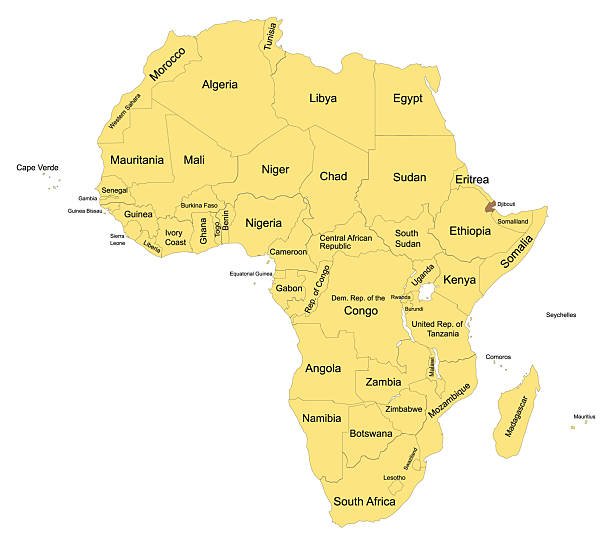
Yes, Africans did own slaves, and various forms of servitude existed within African societies for millennia, long before the transatlantic slave trade. However, the nature of these systems often differed significantly from the brutal, hereditary, and racially codified chattel slavery that characterized the European-driven transatlantic trade.
The Ancient Roots of Servitude in Africa
To understand the nuanced answer to the question, Did Africans ever own slaves, it's crucial to acknowledge that systems of unfree labor were prevalent across many cultures and continents, including Africa, for thousands of years. Before contact with European powers, numerous indigenous African societies practiced various forms of servitude. These systems were diverse, reflecting the vast array of cultures, economies, and political structures across the continent.
Slavery in pre-colonial Africa was rarely based on race. Instead, individuals might become enslaved due to:
- Warfare: Captives of war were frequently enslaved, serving as a primary source of unfree labor.
- Debt Bondage: Individuals or families could be pledged as collateral for debt, and if the debt wasn't repaid, they could enter a state of servitude.
- Criminal Punishment: Certain crimes could result in enslavement as a form of punishment or restitution.
- Pledging: Families might pledge members, often children, during times of famine or hardship in exchange for food or protection, a practice that could lead to long-term servitude.
- Social Integration: In some cases, enslaved people were integrated into the household or clan of their owner, sometimes with paths to freedom or even elevated status over generations.
These practices highlight the complexity of slavery in Africa pre-Atlantic slave trade. It was not a monolithic institution but rather a spectrum of conditions ranging from mild dependency to severe bondage.
Distinguishing Indigenous African Slavery from Chattel Slavery
One of the most critical aspects of this topic is understanding the profound differences between the internal African systems of servitude and the chattel slavery that defined the transatlantic trade. While both involved loss of freedom, their characteristics, implications, and societal roles varied greatly.
Key Differences in African Forms of Servitude:
- Integration vs. Alienation: In many African societies, enslaved individuals could often become integrated into the lineage or family of their enslavers over time. They might marry into the family, own property, serve in the military, or even hold positions of influence. Their children often had a different, sometimes free, status. This contrasts sharply with the deliberate alienation and dehumanization central to chattel slavery.
- Property Rights: While considered property to varying degrees, individuals in African systems of servitude sometimes retained certain rights, including the right to marry, raise a family, or even accumulate personal wealth.
- Hereditary Status: While some forms of African slavery were hereditary, it was not universally so, and paths to freedom or social mobility existed more frequently than under chattel slavery. The children of enslaved people might not automatically inherit their parents' status.
- Economic Purpose: African slavery was often used to expand kin groups, integrate outsiders, increase agricultural labor, or serve political and military purposes. It was rarely the sole basis of an entire economic system driven by export commodities, as it became in the Americas.
- Racial Basis: Crucially, indigenous African slavery systems were generally not based on race or ethnicity. An enslaved person could belong to the same ethnic group as their enslaver. The concept of race as a determinant for perpetual, inherited enslavement was a European construct applied to the transatlantic trade.
It is important not to romanticize these pre-colonial systems; they still involved profound human suffering and the deprivation of liberty. However, recognizing their distinct characteristics is essential for an accurate historical understanding.
African Involvement in Global Slave Trades
Beyond internal systems, African societies and individuals also participated in longer-distance slave trades, predating and then running concurrently with the transatlantic trade.
The Trans-Saharan Slave Trade
For over a thousand years, from the 7th to the 20th century, the Trans-Saharan slave trade moved millions of people, primarily from sub-Saharan Africa, across the Sahara Desert to North Africa, the Middle East, and parts of Southern Europe. Arab and Berber traders, in cooperation with various African intermediaries and rulers, facilitated this trade. Enslaved people were traded for gold, salt, textiles, and other goods. This trade was significant in scale and often brutal in its execution, with high mortality rates during the desert crossings.
The East African Slave Trade
Similarly, the East African slave trade saw African captives shipped across the Indian Ocean to the Middle East, Persia, India, and beyond. This trade was conducted by Arab, Persian, Indian, and African traders from coastal cities like Zanzibar, Kilwa, and Mombasa. It also had a long history, peaking between the 17th and 19th centuries, and involved both maritime routes and inland networks that supplied the coastal markets.
The Transatlantic Slave Trade and African Participation
The most devastating and well-documented form of African involvement in global slavery was the transatlantic slave trade. Beginning in the 16th century and lasting until the 19th century, this trade forcibly transported an estimated 10 to 12 million Africans across the Atlantic to the Americas. This trade was primarily driven by European demand for labor on plantations and in mines in the New World.
African rulers, merchants, and intermediaries played a complex and often uncomfortable role in this trade. European traders rarely ventured far inland; instead, they established trading posts on the coast and relied on African partners to bring captives from the interior. These captives were primarily acquired through:
- Warfare: Many powerful African states, such as Dahomey, Asante, and the Kongo Kingdom, engaged in wars specifically to capture individuals for sale to European traders.
- Raids: Smaller-scale raids conducted by various groups supplied captives.
- Judicial Processes: Some individuals convicted of crimes were sold into slavery.
- Existing Systems: The presence of existing internal African slavery systems made it easier for European traders to tap into a pre-existing market for human beings, which then rapidly expanded and transformed under European demand.
The motivation for African participation was varied but often included access to European goods like firearms, textiles, alcohol, and metals, which could bolster their political and economic power against rival African states or improve their living standards. It's crucial to acknowledge this participation without absolving European powers of their primary role in creating and perpetuating the transatlantic system of chattel slavery. The European demand for enslaved labor was the engine that drove this particular form of human trafficking to an unprecedented scale and brutality.
The collaboration between some African polities and European traders was a tragic chapter, leading to immense demographic and social devastation across West and Central Africa. It created a cycle of violence and instability that profoundly impacted the continent for centuries.
The Abolition of Slavery in Africa and its Legacy
The formal abolition of slavery within Africa was a long and complex process, often influenced by external pressures from European colonial powers, who, ironically, had previously fueled the transatlantic trade. While European nations began to abolish the transatlantic slave trade in the early 19th century, internal slavery persisted in many African regions well into the 20th century, and in some forms, continues illegally today.
Key Aspects of Abolition:
- Colonial Influence: When European powers colonized Africa in the late 19th and early 20th centuries, they often outlawed traditional forms of slavery, although enforcement was sometimes slow and uneven. This was driven by a mix of humanitarian concerns, desire for more controlled labor, and strategic political maneuvering.
- Resistance to Abolition: Many African rulers and societies resisted abolition because their economic and social structures were intertwined with enslaved labor.
- Gradual Process: Abolition was rarely an immediate act. It involved various decrees, restrictions, and sometimes financial compensation for enslavers.
- Enduring Forms: Even after formal abolition, various forms of coerced labor, debt bondage, and caste-like systems with vestiges of slavery continued and still exist in some regions, presenting challenges in the fight against modern slavery.
Addressing Misconceptions and Complexities
The question, Did Africans ever own slaves, often arises in discussions about historical responsibility and reparations. It's vital to navigate this topic with nuance and historical accuracy:
1. Distinction is Key: While internal African forms of servitude existed and some Africans participated in the transatlantic trade, the brutal, dehumanizing, race-based, and generational chattel slavery implemented by Europeans in the Americas was unique in its scale, intent, and impact. It stripped individuals of their humanity and any hope of social integration or freedom for their descendants, profoundly shaping racial hierarchies that persist today.
2. No Single African Identity: It's inaccurate to speak of "Africans" as a monolithic group. The continent comprises thousands of distinct ethnic groups, kingdoms, and societies, each with its own history and practices. Attributing collective guilt or responsibility to all Africans for the actions of some is historically unsound.
3. Victims and Perpetrators: African societies were simultaneously victims of the transatlantic slave trade (losing millions of their people, suffering immense disruption) and, in some instances, perpetrators or facilitators of aspects of it.
Understanding this history requires acknowledging uncomfortable truths from all sides. It means recognizing the long history of servitude within Africa, the distinct characteristics of these systems, and the profound tragedy of the transatlantic slave trade which fundamentally differed in its scale, purpose, and lasting impact on racial dynamics globally. The legacy of slavery, in all its forms, continues to shape societies, economies, and identities across the world today, making accurate and comprehensive historical understanding paramount.
Enjoyed this read?
Share it with your friends and colleagues.