In Which Region Did Africans Exercise More Autonomy

BSC Insights Admin
October 26, 2026
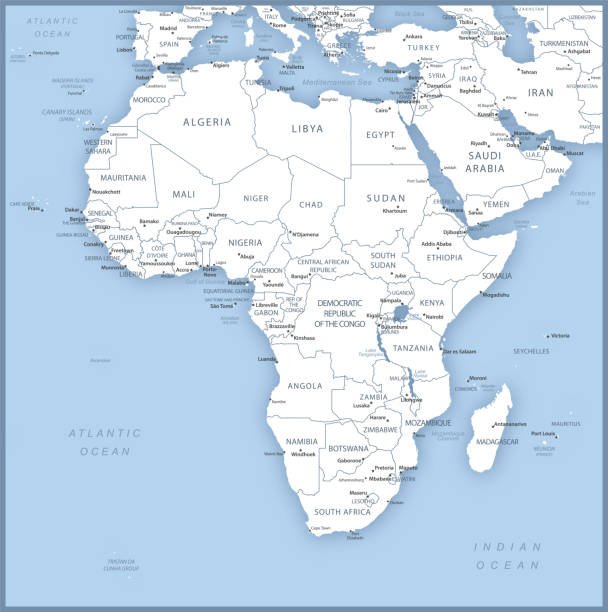
Introduction: Unpacking African Autonomy Through History
When considering in which region did Africans exercise more autonomy, it's crucial to understand that autonomy has manifested in diverse forms across different historical periods and geographical locations. While direct political independence from external powers stands out, autonomy also encompasses cultural self-determination, economic control, and the ability to resist foreign influence. Historically, pre-colonial African empires and kingdoms across West, East, Central, and Southern Africa represented the zenith of African self-governance. During the scramble for Africa and subsequent colonial periods, a select few regions managed to maintain their sovereignty, with Ethiopia being the most prominent example, alongside Liberia, which was founded by repatriated former enslaved people. Post-independence, the pursuit of genuine autonomy continued, marked by varying degrees of success in political, economic, and social spheres.
Understanding the nuances of African autonomy requires a journey through time, from powerful ancient civilizations to modern nation-states striving for full self-determination. This article delves into these critical phases, identifying specific regions and circumstances where African agency was most pronounced, providing context and examples of how African people asserted their right to self-govern and shape their own destinies.
The Golden Age of African Autonomy: Pre-Colonial Empires and Kingdoms
The vast majority of the African continent was characterized by widespread African self-governance prior to the 19th-century European colonization. Numerous powerful and sophisticated states thrived, demonstrating high levels of political, economic, and cultural autonomy. These independent African states managed their own affairs, conducted international trade, forged alliances, and often boasted complex social structures and impressive technological advancements.
West African Empires: Wealth, Learning, and Power
West Africa, in particular, was home to some of the continent's most renowned and powerful empires, which are prime examples of historical African autonomy. These regions were not only economically prosperous due to trans-Saharan trade routes but also centers of learning and culture.
- Ghana Empire (c. 300-1100 CE): Situated in parts of modern-day Mauritania and Mali, the Ghana Empire was famed for its wealth in gold, its sophisticated administrative system, and its control over vital trade routes. Its rulers maintained complete sovereignty, managing a vast network of vassal states.
- Mali Empire (c. 1235-1600 CE): Following Ghana, the Mali Empire, founded by Sundiata Keita, became even larger and wealthier. Under rulers like Mansa Musa, Mali was a hub of Islamic scholarship, boasting institutions like the University of Sankore in Timbuktu. Its influence stretched across a significant portion of West Africa, representing profound African sovereignty.
- Songhai Empire (c. 1464-1591 CE): Emerging from the decline of Mali, the Songhai Empire, under leaders such as Sonni Ali and Askia the Great, established a formidable military and efficient bureaucracy, expanding its control over critical trade centers and maintaining a highly organized state.
- Ashanti Kingdom (c. 1670-1957 CE): Located in present-day Ghana, the Ashanti Kingdom was a powerful and centralized state known for its rich gold resources, strong military, and sophisticated political structure centered around the Golden Stool. The Ashanti fiercely resisted British colonial incursions for decades, demonstrating enduring African resistance to colonial rule.
East, Central, and Southern African Autonomous States
Other regions across the continent also showcased remarkable levels of autonomy:
- Kingdom of Aksum (c. 100-940 CE, East Africa): Predecessor to modern Ethiopia, Aksum was a major naval and trading power, controlling routes between Africa and Asia. It was one of the first states to adopt Christianity and maintained its independence and influence for centuries.
- Great Zimbabwe (c. 1100-1450 CE, Southern Africa): This powerful trading empire controlled a vast territory, building impressive stone architecture without mortar. Its economic power stemmed from gold and cattle, and it was a beacon of indigenous African governance.
- Kongo Kingdom (c. 1390-1888 CE, Central Africa): Stretching across parts of modern-day Angola, Republic of Congo, and DRC, the Kongo Kingdom was a highly organized state that initially engaged with Europeans on relatively equal terms before the intensification of the slave trade and colonial pressures.
These examples underscore that prior to widespread European incursions, the vast majority of Africans lived under self-determined governance, charting their own paths in terms of development, culture, and societal organization. This period stands as a testament to the extensive exercise of African autonomy.
Resilience During Colonialism: Regions That Maintained Sovereignty
The 19th and early 20th centuries marked a drastic reduction in African self-governance, as European powers partitioned and colonized nearly the entire continent. However, two notable exceptions stand out, demonstrating remarkable resilience and strategic acumen in preserving their independence.
Ethiopia: A Beacon of Unbroken Autonomy
Ethiopia, known historically as Abyssinia, stands as arguably the most prominent example of a region where Africans consistently exercised more autonomy throughout the colonial era. Its long history of independent rule dates back millennia, and it successfully repelled attempts at colonization:
- Military Strength: Ethiopia's ability to maintain its autonomy was largely due to its strong centralized monarchy and formidable military. The Battle of Adwa in 1896, where Ethiopian forces decisively defeated invading Italian troops, is a landmark event, preventing European colonization and inspiring anti-colonial movements worldwide.
- Diplomatic Skill: Ethiopian emperors, particularly Menelik II, skillfully played European powers against each other, securing arms and recognizing its borders, thereby reinforcing its independent status.
- Cultural and Religious Cohesion: A strong sense of national identity, bolstered by the Ethiopian Orthodox Tewahedo Church, provided a unifying force against external threats.
Even when briefly occupied by Italy during the Second Italo-Ethiopian War (1935-1941), Ethiopia's fierce resistance, combined with international support and the eventual Allied victory, restored its full sovereignty, making it a unique example of sustained African political independence.
Liberia: A Unique Case of Self-Governance
Liberia offers another distinct case of sustained autonomy. Founded in 1822 by the American Colonization Society as a homeland for free-born and formerly enslaved African Americans, Liberia declared its independence in 1847. While its relationship with the United States was complex and its indigenous populations faced subjugation by the Americo-Liberian elite, it remained an officially independent state throughout the colonial period.
- International Recognition: Liberia's independence was gradually recognized by various European powers, albeit sometimes reluctantly, which helped it avoid direct colonial takeover.
- Strategic Buffer: Its existence sometimes served the strategic interests of larger powers, who preferred its nominal independence to another European power gaining control.
Despite significant internal challenges and external pressures, Liberia's status as a sovereign nation, governed by Africans (albeit a specific group of repatriates), marked it as one of the few places on the continent where the flag of an independent African state flew during the peak of colonialism. This demonstrates a form of African self-determination, albeit one complicated by its founding context and internal dynamics.
Post-Colonial Independence: The Pursuit of Continued Autonomy
The mid-20th century saw a wave of decolonization, leading to the independence of nearly all African nations. This period ushered in a new era where all African regions ostensibly exercised political autonomy. However, the legacy of colonialism often presented significant challenges to achieving genuine, multifaceted autonomy.
Challenges to Post-Colonial Autonomy
- Neo-colonialism: Many newly independent states found their economies still heavily reliant on former colonial powers or international institutions, limiting true economic autonomy.
- Political Instability: Arbitrary colonial borders, ethnic tensions, and external interference often led to conflicts and coups, undermining stable governance and self-determination.
- External Debt: Economic policies imposed by international financial bodies often constrained national development priorities, impacting African sovereignty over resources and policy choices.
Regions Striving for Greater Autonomy
While all African nations are now politically independent, the degree to which they exercise true autonomy varies significantly. Some nations have made greater strides in asserting their independence on the global stage, diversifying economies, and fostering stronger regional integration.
- Pan-Africanism: Movements promoting continental unity and solidarity, such as the Organization of African Unity (OAU) and its successor, the African Union (AU), have aimed to strengthen collective autonomy and voice on international platforms, addressing issues from peace and security to economic development.
- Resource Control: Countries like Nigeria, Angola, and South Africa, rich in natural resources, have sought to gain greater control over their extractive industries, negotiating more favorable terms with multinational corporations to ensure that wealth benefits their populations and enhances national autonomy.
- Economic Diversification: Nations investing in education, technology, and manufacturing—moving beyond primary resource extraction—are working to build more resilient and independent economies, thereby enhancing their African economic autonomy.
The journey post-independence has been a continuous effort to translate political sovereignty into full socio-economic and cultural autonomy, defining Africa's place in a globalized world on its own terms.
Factors Influencing the Exercise of African Autonomy
The ability of various African regions and groups to exercise autonomy has been shaped by a complex interplay of factors:
| Factor | Impact on Autonomy | Examples |
|---|---|---|
| Geography & Natural Resources | Provided natural defenses, enabled economic power for diplomacy/military. | Ethiopia's mountainous terrain; West African gold empires. |
| Military Strength & Organization | Ability to repel invaders and maintain internal order. | Ashanti Kingdom's organized army; Ethiopia's victory at Adwa. |
| Strong Centralized Leadership | Effective governance, strategic decision-making, national cohesion. | Mansa Musa of Mali; Menelik II of Ethiopia. |
| Economic Prosperity | Funded armies, infrastructure, and diplomatic initiatives; reduced external dependency. | Trans-Saharan trade in Mali/Songhai; Great Zimbabwe's gold trade. |
| Cultural & Religious Unity | Provided a shared identity and resistance to external pressures. | Ethiopian Orthodox Church; Pan-African identity movements. |
| Diplomatic Acumen | Skill in negotiating with external powers, forming alliances. | Liberia's recognition by European powers; Ethiopia's strategic dealings. |
These factors often combined to create conditions where regions or states could assert and maintain their independence or at least a significant degree of self-governance, even in the face of overwhelming external pressures. Understanding these elements is key to appreciating the varying experiences of African sovereignty across the continent.
Conclusion: A Legacy of Diverse Autonomy
In summary, the question of in which region did Africans exercise more autonomy reveals a rich and varied history. The pre-colonial era undoubtedly represents the period of most widespread and robust African self-governance, with powerful empires like Mali, Songhai, and Great Zimbabwe exemplifying extensive political, economic, and cultural independence across West, East, and Southern Africa. During the intense period of European colonialism, Ethiopia stands out as the singular pre-colonial state that consistently maintained its sovereignty, earning it a unique place in history as a symbol of unbroken African political independence. Liberia, though founded under different circumstances, also maintained its independent status throughout the colonial scramble.
Post-independence, while all African nations achieved political sovereignty, the pursuit of complete autonomy—free from neo-colonial influences and internal strife—remains an ongoing endeavor. The journey of African autonomy is therefore not monolithic but a complex tapestry of resistance, resilience, and continuous striving for self-determination that continues to shape the continent's trajectory. From ancient kingdoms to modern nation-states, the narrative of Africans exercising agency over their own destinies is a powerful and enduring one.
Enjoyed this read?
Share it with your friends and colleagues.