Did Africans Fight In World War 1

BSC Insights Admin
October 01, 2026
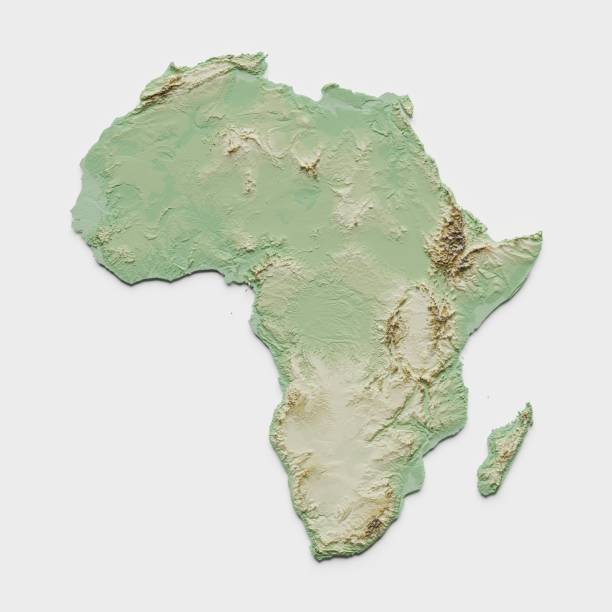
Yes, Africans fought extensively and significantly in World War 1, contributing millions of soldiers and non-combatant laborers to the war effort, primarily on behalf of the European colonial powers that controlled much of the continent. Their involvement spanned various fronts, from the battlefields of Europe to the brutal campaigns waged on African soil, leaving an undeniable, though often overlooked, legacy.
The Global Reach of the Great War: Africa's Undeniable Presence
When the Great War erupted in 1914, Africa, largely under colonial rule, was inevitably drawn into the global conflict. The continent became not only a source of vital raw materials but also an immense reservoir of manpower for the warring European empires. The notion that Africans fought in World War 1 is not merely true, but it represents one of the war's most profound and least-acknowledged aspects.
Millions Mobilized: A Continent Under Arms
The scale of African mobilization was staggering. While precise numbers are difficult to ascertain due to poor record-keeping and deliberate historical oversight, estimates suggest that between 1.5 to 2.5 million Africans served in various capacities during the war. This included combatants, porters, laborers, and other support roles. These individuals were recruited, often forcibly, from diverse ethnic groups and regions across the continent by colonial administrations representing Britain, France, Germany, Belgium, Portugal, and even Italy.
- Combatants: Hundreds of thousands of African soldiers fought in regiments like the Senegalese Tirailleurs, King's African Rifles, Royal West African Frontier Force, and the Askari.
- Non-Combatants: Millions served in critical logistical roles, such as the infamous Carrier Corps, transporting supplies and equipment under perilous conditions.
Motivations for Service: Coercion, Economic Need, and Promises
The reasons for African participation were complex and varied:
- Forced Conscription: Many were coerced or conscripted through brutal methods by colonial authorities, facing severe penalties if they resisted.
- Economic Incentives: Some joined voluntarily, driven by poverty and the promise of wages, often the only opportunity for cash income in their communities.
- Loyalty (or Perceived Loyalty): Traditional leaders, often manipulated by colonial powers, sometimes encouraged their people to join in exchange for political favors or protection.
- Adventure and Escape: For a small number, it offered an escape from the monotony of rural life or local disputes.
- Defense of Homeland: In some instances, Africans fought against invading colonial forces on their own soil.
Regardless of their reasons, their contributions were critical to the war efforts of their colonial masters.
Diverse Forces: African Soldiers Under Colonial Flags
The contributions of African soldiers in WW1 were geographically widespread and ethnically diverse, reflecting the patchwork of colonial control across the continent.
French Colonial Troops: The Senegalese Tirailleurs and North African Regiments
France made extensive use of its colonial subjects, particularly from West and North Africa. The Senegalese Tirailleurs, despite their name, were recruited from across French West and Equatorial Africa. They gained a fearsome reputation on the Western Front, known for their bravery and resilience in trench warfare. Over 170,000 Tirailleurs served in France, with tens of thousands perishing.
From North Africa, regiments of Algerian, Tunisian, and Moroccan troops (Zouaves, Spahis, and Tirailleurs) also played vital roles on the Western Front, in the Dardanelles, and in other Mediterranean theaters. Their distinct uniforms and fighting prowess became iconic, though their sacrifices were immense.
British Colonial Forces: The King's African Rifles and Royal West African Frontier Force
Britain also drew heavily on its African colonies. The King's African Rifles (KAR), primarily recruited from British East Africa (Kenya, Uganda, Tanganyika, Nyasaland), played a central role in the brutal East African Campaign. The Royal West African Frontier Force (RWAFF), drawn from Nigeria, Gold Coast (Ghana), Sierra Leone, and Gambia, distinguished itself in campaigns against German colonies in Togoland and Kamerun (Cameroon).
These forces were crucial in containing and defeating German colonial ambitions on the continent, often fighting in harsh, unfamiliar terrain against well-trained German Askari units.
German East Africa: The Askari and Campaigns of Resistance
Paradoxically, German colonial forces also comprised significant numbers of African soldiers known as Askari. In German East Africa (modern-day Tanzania, Rwanda, Burundi), Colonel Paul von Lettow-Vorbeck led a highly effective force of Askari and German officers. This small army, often outmatched in numbers but superior in bushcraft, famously remained undefeated and surrendered only after the armistice in Europe. The East African Campaign was one of the longest and most devastating in the war, fought almost entirely by African and Indian troops, with immense human cost.
Other Colonial Contributions: Belgium, Portugal, and South Africa
Belgium utilized troops from the Belgian Congo (Force Publique) to fight against German forces in East Africa. Portugal, though a smaller colonial power, also mobilized African soldiers from Angola and Mozambique for both continental and African fronts.
The Union of South Africa, an independent dominion, contributed significantly, deploying both white and black soldiers. The South African Native Labour Corps (SANLC), comprising over 20,000 black South Africans, served on the Western Front as laborers, facing racial discrimination and the dangers of war. Many perished, notably in the sinking of the SS Mendi.
Beyond the Rifle: The Critical Role of African Non-Combatants
While the combat roles of African troops in WW1 are slowly gaining recognition, the immense contribution of non-combatant laborers, particularly porters, remains largely undervalued despite its critical importance.
The East African Carrier Corps: Backbone of the Campaign
In the rugged and roadless terrains of East Africa, mechanized transport was often impossible. The logistics of the campaign relied almost entirely on human porters. The British alone mobilized hundreds of thousands of Africans into the Carrier Corps. These men, often conscripted, carried supplies, ammunition, and even artillery pieces over vast distances, through disease-ridden jungles and across arid plains.
- They served as the vital supply line, enabling military operations that would otherwise have been impossible.
- Their work was back-breaking, with each man often carrying loads exceeding 60 pounds for miles each day.
Horrific Conditions and Untold Sacrifices
The conditions endured by the Carrier Corps and other African laborers were horrific. They faced:
- Disease: Malaria, dysentery, sleeping sickness, and other tropical diseases decimated their ranks, far more so than enemy fire.
- Starvation and Malnutrition: Inadequate food rations were common, leading to widespread famine among the porters.
- Exhaustion: Relentless marches, lack of rest, and heavy loads pushed them to their physical limits.
- Brutal Treatment: Colonial officers often subjected them to harsh discipline and abuse.
Casualty rates among non-combatants were shockingly high, often exceeding those of combat soldiers. Some historians estimate that up to one million African porters and laborers died during the war, particularly in East Africa, making their sacrifice one of the greatest, yet least recognized, human tragedies of World War 1.
A Continent Transformed: The Lasting Legacy of World War 1 in Africa
The participation of Africans in World War 1 had profound and lasting consequences for the continent, shaping its future in ways still felt today.
Socio-Economic Disruption and Political Awakening
The war fundamentally disrupted African societies:
- Demographic Impact: Massive loss of life, particularly among young men, left a demographic void in many communities.
- Economic Strain: Agricultural production suffered as men were taken for war, leading to famine in some regions. Forced requisition of food and resources by colonial armies further exacerbated hardship.
- Social Upheaval: Traditional power structures were sometimes undermined, and communities were uprooted.
- Political Awareness: Exposure to new ideas, cultures, and the hypocrisy of colonial powers (fighting for 'freedom' in Europe while denying it in Africa) sowed the seeds of nascent nationalism and anti-colonial sentiment. Many returning soldiers felt betrayed by unfulfilled promises and the racism they continued to face.
Post-War Neglect and the Fight for Recognition
Despite their immense sacrifices, African veterans were largely neglected after the war. Unlike their European counterparts, they rarely received adequate pensions, healthcare, or recognition. Colonial policies ensured they returned to their subordinate positions, often facing continued discrimination. This lack of acknowledgment contributed to the historical invisibility of their contributions for decades.
In recent years, there has been a growing movement to shed light on Africa's role in the Great War, with historians, activists, and institutions working to document their stories, commemorate their sacrifices, and integrate their narratives into the broader history of World War 1. This includes efforts to build memorials and conduct research into forgotten cemeteries and battle sites.
The Scramble for Africa's Aftermath
The war also led to significant territorial changes on the African map. Germany's colonies (Togoland, Kamerun, German East Africa, German South West Africa) were redistributed among the victorious Allied powers, primarily Britain and France, further cementing their colonial dominance through mandates from the League of Nations. This redrawing of boundaries often paid little heed to existing ethnic or cultural divisions, laying groundwork for future conflicts.
Conclusion: Acknowledging the African Contribution
In conclusion, the question of 'Did Africans fight in World War 1?' is unequivocally answered with a resounding yes. Millions of Africans, both combatants and laborers, played absolutely critical roles in the conflict, not just on African soil but also on the battlefields of Europe and the Middle East. Their bravery, resilience, and immense sacrifices were instrumental to the Allied victory, yet their stories were long marginalized and forgotten by mainstream historical narratives. A true understanding of the Great War requires acknowledging the vast and diverse contributions of African people, recognizing their experiences, and ensuring their rightful place in global history.
Enjoyed this read?
Share it with your friends and colleagues.