Did Africans Fight In World War 2

BSC Insights Admin
October 26, 2026
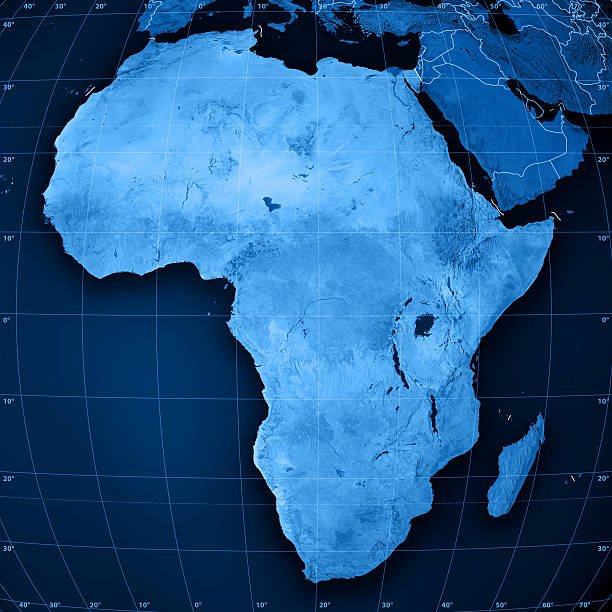
Yes, Africans fought extensively and valiantly in World War 2. Their involvement was absolutely crucial, with hundreds of thousands of African soldiers serving in various capacities across multiple fronts, significantly contributing to the Allied victory. Often overshadowed in historical narratives, the role of African involvement in WWII represents a vital chapter in global history, demonstrating their immense sacrifices and contributions.
The Scope of African Participation in World War 2
The continent of Africa, primarily under colonial rule during the 1930s and 1940s, became a critical source of manpower for the Allied powers. Both voluntary enlistment and conscription were utilized to mobilize vast numbers of soldiers from diverse regions, including British, French, Belgian, and South African territories.
Colonial Powers and African Mobilization
- British Colonies: Great Britain drew heavily on its vast African empire, forming units like the King's African Rifles (KAR) and the West African Frontier Force (WAFF). These forces comprised soldiers from Nigeria, Gold Coast (Ghana), Sierra Leone, Gambia, Kenya, Uganda, Tanganyika (Tanzania), Nyasaland (Malawi), and Northern Rhodesia (Zambia).
- French Colonies: France mobilized the Tirailleurs Sénégalais, a name encompassing soldiers from across French West Africa (e.g., Senegal, Mali, Burkina Faso, Guinea, Côte d'Ivoire) and French Equatorial Africa. Troops from North Africa (Algeria, Morocco, Tunisia) also played indispensable roles.
- Belgian Congo: The Force Publique from the Belgian Congo contributed significant numbers, particularly in the East African Campaign and later as logistical support.
- South Africa: Although an independent dominion, South Africa's racially segregated army included the Cape Corps and the Native Military Corps, with thousands of Black South Africans serving in non-combatant roles due to discriminatory policies, alongside white South African fighting units.
It is estimated that over 1 million Africans served in various capacities during the war, whether as combatants, laborers, or porters. Their participation highlighted the global nature of the conflict and the profound impact it had on colonial subjects.
Diverse Origins: Who Were These Soldiers?
The soldiers who comprised these colonial units came from an extraordinary array of ethnic groups and linguistic backgrounds. They were farmers, herders, tradesmen, and laborers, brought together under the banner of colonial armies. Terms like Askari soldiers WWII (often used for East African troops, particularly in German and British service) and French colonial troops WWII underscore the diverse origins and experiences of these fighting men. Their courage, adaptability, and resilience were consistently noted by their commanders, even in the face of widespread racial prejudice and discrimination.
Key Campaigns and Fronts Where African Soldiers Fought
African soldiers World War II were deployed to battlefields not only across Africa but also in the Middle East, Europe, and Asia, proving their capabilities in incredibly varied terrains and climates.
The East African Campaign (1940-1941)
This was one of the earliest and most decisive campaigns where African forces in British army WWII and other colonial troops played a primary combat role. Fought against Italian forces in Ethiopia, Eritrea, and Italian Somaliland, this campaign was largely won by Allied forces composed predominantly of Indian, South African, and African troops, notably the King's African Rifles and Ethiopian patriotic resistance fighters. The speed and efficiency with which the British and Commonwealth forces, heavily reliant on African units, defeated a larger Italian army were remarkable.
The North African Campaign (1940-1943)
The desert war against Rommel's Afrika Korps saw significant North African Campaign African soldiers involvement. Moroccan, Algerian, and Tunisian troops, fighting under the French flag (Free French and later French Liberation Army), contributed immensely. South African forces, including armored divisions, played key roles in battles such as El Alamein. The toughness and familiarity with harsh conditions demonstrated by these soldiers were invaluable.
European and Asian Theatres
- France (1940): Thousands of Tirailleurs Sénégalais were among the first to face the German blitzkrieg during the Battle of France. They fought with incredible bravery against overwhelming odds, suffering horrific casualties. Many captured soldiers were summarily executed by German forces due to racist ideology.
- Italy (1943-1945): South African armored and infantry divisions, along with French colonial troops, were vital to the Allied advance through Italy, enduring fierce fighting in mountainous terrain.
- Burma (1943-1945): Two West African divisions (81st and 82nd West African Divisions), formed from the West African Frontier Force, were deployed to the notoriously difficult Burma Campaign. Fighting against the Japanese in the dense jungles, they earned a fearsome reputation for their endurance, tracking skills, and combat effectiveness. They were instrumental in pushing back the Japanese, often operating in challenging conditions where their specific skills were highly valued.
Significant Contributions and Impact of African Soldiers
The contributions of African soldiers in WWII extended far beyond direct combat. Their involvement was multi-faceted and essential to the Allied war effort.
Manpower and Combat Prowess
The sheer number of African personnel released European soldiers for other fronts and provided much-needed manpower. Their courage, resilience, and adaptability in diverse and often brutal conditions were widely acknowledged. They fought in infantry, artillery, engineering, and logistics units, consistently demonstrating a high level of discipline and fighting spirit. The training, while often rudimentary, equipped them for intense combat, and their local knowledge was invaluable in African campaigns.
Logistical Support and Labor
Beyond the front lines, tens of thousands of Africans served in crucial support roles. They worked as porters, carrying supplies over impassable terrain, built roads and bridges, maintained vital infrastructure, and served in labor battalions. This often unsung labor was fundamental to sustaining military operations, particularly in regions with underdeveloped infrastructure. Without this vast support network, many campaigns would have been logistically impossible.
Economic and Political Consequences for Africa
The war had profound economic and political consequences for the African continent. African economies were reoriented to support the war effort, leading to increased production of raw materials and food for Allied nations. More significantly, the war experience itself began to sow the seeds of independence movements. Soldiers who had fought for freedom abroad returned home expecting similar liberties, questioning colonial rule and demanding self-determination. The concept of African involvement in WWII, fighting for empires that denied them basic rights, fueled burgeoning nationalist sentiments across the continent.
Challenges and Injustices Faced by African Soldiers
Despite their immense contributions, African soldiers World War II faced systemic discrimination and injustice both during and after the conflict.
Discrimination and Segregation
African troops were typically segregated from European units, commanded by white officers, and subjected to lower pay scales. They often received inferior equipment, training, and rations compared to their white counterparts. Racial prejudice was rampant within the colonial armies, leading to unequal treatment, limited opportunities for advancement, and a general underestimation of their intelligence and capabilities.
| Aspect | African Soldiers | European Counterparts |
|---|---|---|
| Pay | Significantly lower wages | Higher wages |
| Rations | Often inferior quality and quantity | Better quality and sufficient quantity |
| Promotions | Limited to NCO ranks, rarely officers | Opportunities for officer ranks |
| Recognition | Often overlooked or minimized | Widely celebrated and recognized |
Post-War Neglect and Underestimation
After the war, many African veterans returned home to find their sacrifices largely unacknowledged. Promises made during the war were often unfulfilled, and they faced difficulties reintegrating into civilian life. Pensions for African veterans were frequently lower or non-existent compared to those received by European veterans, highlighting a profound injustice. This post-war neglect further fueled nationalist movements, as veterans felt betrayed by the colonial powers they had served.
Remembering the African Contribution
The narrative of World War 2 has, for a long time, been dominated by European and North American perspectives, leading to the **forgotten heroes of WWII Africa**. However, there is a growing global effort to rectify this historical imbalance.
Historical Recognition and Modern Efforts
In recent decades, historians, governments, and organizations have made concerted efforts to bring the stories of African soldiers to the forefront. Memorials have been erected, academic research has flourished, and documentaries have been produced to honor their legacy. The ongoing work of documenting their experiences and acknowledging their contributions is crucial for a comprehensive understanding of the war.
Why Their Story Matters Today
Understanding the full extent of **African contributions to WWII** is essential for several reasons:
- It provides a more accurate and inclusive historical account of a global conflict.
- It recognizes the bravery and sacrifices of hundreds of thousands of individuals who fought for a world free from tyranny.
- It highlights the complex legacy of colonialism and its impact on the lives of millions.
- It underscores the roots of African nationalism and the struggle for independence.
Conclusion
The question, Did Africans fight in World War 2, can be answered with an emphatic yes. From the deserts of North Africa and the jungles of Burma to the battlefields of Europe, African soldiers played an undeniable and often decisive role in the Allied victory. Their courage, resilience, and immense sacrifices were instrumental in shaping the course of the war and, subsequently, the trajectory of their own continent. It is imperative that these **African soldiers World War II** are remembered not as footnotes in history, but as central figures whose contributions demand universal recognition and respect. Their legacy is a testament to their unwavering spirit and a reminder of the global nature of warfare and its profound human cost.
Enjoyed this read?
Share it with your friends and colleagues.