How Long Did Africans Have Slaves

BSC Insights Admin
October 09, 2026
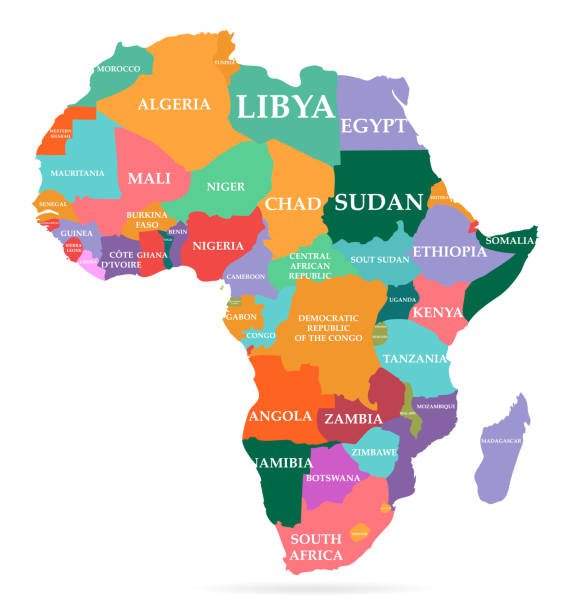
Slavery existed in various forms across the African continent for millennia, predating recorded history in many regions and continuing well into the 20th century in some areas. The duration of indigenous African slavery, along with its evolution through major transcontinental trade routes, demonstrates a long and intricate history distinct from, yet often intertwined with, global patterns of human bondage.
Understanding how long Africans had slaves requires examining a multifaceted historical landscape that includes ancient practices, the trans-Saharan and Indian Ocean slave trades, the devastating transatlantic slave trade, and ongoing internal systems of servitude. These various forms of slavery adapted, persisted, and transformed over thousands of years, leaving an indelible mark on African societies.
The Deep Roots of Slavery in Pre-Colonial Africa
The practice of slavery in Africa predates the arrival of Islam and European powers, with evidence suggesting its existence from antiquity. Early forms of servitude were often integrated into the social and economic fabric of many African societies. Unlike the racialized chattel slavery that developed in the Americas, pre-colonial slavery in Africa was typically characterized by diverse forms, often stemming from:
- Warfare: Captives of inter-ethnic or inter-state conflicts were frequently enslaved.
- Debt: Individuals or families could be enslaved temporarily to settle debts.
- Judicial Punishment: Slavery served as a punishment for certain crimes.
- Social Stratification: In some societies, slavery was a mechanism for integrating outsiders or maintaining social hierarchies.
- Famine: During periods of scarcity, individuals might sell themselves or their children into servitude to survive.
These early forms of slavery were generally more fluid. Slaves often had rights, could sometimes marry into the owner's family, achieve freedom, or even hold positions of power. Their descendants might not inherit their enslaved status indefinitely, representing a significant difference from the rigid, hereditary nature of chattel slavery introduced by the transatlantic system.
Diverse Forms of Servitude Across the Continent
The forms of slavery in Africa were highly varied, reflecting the continent's immense cultural and political diversity. They included:
- Domestic Slavery: Slaves primarily served in households, often performing tasks alongside family members.
- Agricultural Slavery: Used for labor in fields, particularly in highly productive agricultural zones.
- Military Slavery: Some states, like the Mamluks of Egypt or the Ottoman Empire, relied on enslaved soldiers (often from Africa) to form powerful armies.
- Administrative Slavery: Enslaved individuals could rise to positions of considerable influence within royal courts or administrative systems.
- Clientage/Pawnship: While not always considered full slavery, these systems involved temporary servitude often tied to debt or protection.
This internal system of servitude formed the foundation upon which later, larger-scale slave trades would unfortunately draw, particularly as demand from external markets grew.
Major Transcontinental Slave Trades and Their Duration
The history of slavery in Africa is inextricably linked to three major external slave trades that dramatically increased the scale and brutality of the institution.
The Trans-Saharan Slave Trade (7th to Early 20th Century)
One of the longest-running slave trades, the trans-Saharan slave trade timeline spans over a millennium. Starting with the Arab conquests of North Africa in the 7th century, it expanded significantly from the 8th century onwards, peaking between the 10th and 19th centuries. African slaves, primarily from West and Central Africa, were marched across the Sahara Desert to North Africa, the Middle East, and even parts of Europe. It is estimated that millions of Africans were transported through this route, often under brutal conditions. While formal abolition came in the early 20th century, its legacy and some practices persisted covertly for decades.
The demand for enslaved labor in the Islamic world fueled this trade, with slaves working in mines, as soldiers, domestic servants, and concubines. This trade was instrumental in the spread of Islam across the Sahara and significantly impacted the demography and socio-economic structures of the Sahelian kingdoms.
The Indian Ocean Slave Trade (Antiquity to Early 20th Century)
Parallel to the trans-Saharan routes, the Indian Ocean slave trade also boasts a long history, dating back to antiquity. It intensified with the rise of Islamic empires and later with European maritime expansion. Africans from East Africa, particularly regions now comprising Tanzania, Mozambique, and Kenya, were transported across the Indian Ocean to the Arabian Peninsula, Persia, India, and beyond. This trade peaked during the 18th and 19th centuries, driven by demand for labor in plantations, pearl diving, and domestic service. Like the trans-Saharan trade, its formal abolition extended into the early 20th century, but its informal vestiges lingered.
The Transatlantic Slave Trade (16th to 19th Century)
The transatlantic slave trade, also known as the Western slave trade, represents one of the darkest chapters in human history, fundamentally reshaping the global economy and demographics. This trade began in the early 16th century, accelerated dramatically in the 17th and 18th centuries, and was formally abolished in the 19th century. Over approximately 300 years, an estimated 10 to 12 million Africans were forcibly transported across the Atlantic Ocean to the Americas. This trade had a profound and devastating impact of slavery on African societies.
- Depopulation: Large numbers of young, productive individuals were removed from West and Central Africa.
- Warfare and Instability: The demand for slaves fueled inter-state conflicts and the rise of powerful, slave-raiding kingdoms.
- Economic Disruption: Traditional economies were undermined, replaced by a focus on human trafficking.
- Cultural Loss: Knowledge, skills, and cultural heritage were lost with each enslaved individual.
The Atlantic slave trade African perspective highlights the immense suffering, loss, and disruption it caused, leaving a legacy of underdevelopment and trauma that resonates to this day.
The Evolution and Persistence of Slavery in Africa
Even after the formal abolition of the transatlantic slave trade in the 19th century, various forms of slavery continued within Africa, and the trans-Saharan and Indian Ocean trades persisted into the early 20th century. European colonial powers, while often touting abolitionist ideals, frequently found it convenient to maintain or adapt existing systems of forced labor for their own economic benefit. This created a complex scenario where official bans often conflicted with local practices and colonial administrative needs.
The evolution of slavery in Africa continued through the colonial period, where forced labor systems, often indistinguishable from slavery, were used for infrastructure projects, mining, and cash-crop plantations. It was only well into the 20th century, often after the end of colonial rule, that widespread legal and social structures genuinely aimed at eradicating all forms of slavery began to take hold.
The Abolition of Slavery in Africa and Modern Challenges
The process of the abolition of slavery in Africa was protracted and varied by region. External pressure from European abolitionist movements played a role, but internal factors, including resistance from enslaved people, changing economic landscapes, and the imposition of colonial rule (which sometimes sought to dismantle traditional power structures that relied on slavery), also contributed.
| Trade Route | Approximate Start | Approximate End (Formal) | Key Regions Affected |
|---|---|---|---|
| Trans-Saharan | 7th Century AD | Early 20th Century | West, Central, North Africa |
| Indian Ocean | Antiquity | Early 20th Century | East Africa, Horn of Africa |
| Transatlantic | Early 16th Century | Late 19th Century | West, Central Africa |
| Internal African | Pre-Antiquity | Mid-20th Century (covertly beyond) | All regions of Africa |
Despite formal legal abolition in nearly all African nations, remnants of inherited servitude, debt bondage, and modern forms of human trafficking persist in some areas today. This indicates that while the institution of slavery as a widespread, legally sanctioned practice has largely ended, its deep historical roots and social complexities mean that the struggle for complete freedom and equality continues in certain pockets of the continent.
Lasting Impact and Legacy
The millennia-long history of slavery, in all its forms, has left a profound and enduring legacy on the African continent. The African slave trade duration had immense demographic shifts, hindered economic development in many regions, perpetuated social inequalities, and contributed to ongoing political instability. The trauma and injustice of slavery are deeply embedded in the collective memory of many African societies.
Today, understanding this extensive and complex history is crucial for addressing contemporary issues of human rights, social justice, and economic development across Africa. It informs discussions about reparations, the impact of colonialism, and the ongoing fight against modern forms of exploitation.
Conclusion
In summary, the question of how long Africans had slaves reveals a history stretching back thousands of years, from ancient internal practices to major transcontinental trades that endured into the 20th century. Slavery in Africa was never a monolithic institution but a dynamic and varied phenomenon, deeply embedded in social, economic, and political structures. The duration of indigenous African slavery, alongside the immense human toll of the trans-Saharan, Indian Ocean, and transatlantic trades, underscores a complex and often painful past. While formal abolition has largely occurred, the long shadow of slavery continues to influence the continent's present and future, emphasizing the importance of historical understanding and ongoing efforts to ensure dignity and freedom for all.
Enjoyed this read?
Share it with your friends and colleagues.