Do Africans Like Indians

BSC Insights Admin
October 08, 2026
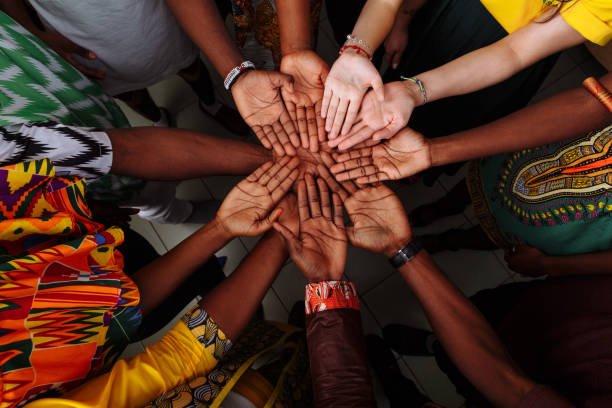
The question of whether Africans like Indians is multifaceted, without a simple yes or no answer. The relationship between people of African descent and people of Indian descent across the vast continent of Africa is incredibly diverse, shaped by centuries of historical interaction, economic factors, cultural exchange, and individual experiences. Generally, there's a broad spectrum of sentiments, ranging from strong friendships and beneficial partnerships to historical grievances and occasional tensions, reflecting the dynamic nature of human societies.
Understanding the Nuance: A Continent of Diversity
To truly grasp the dynamics of whether Africans like Indians, it's crucial to acknowledge the immense diversity within both groups. "Africans" encompass over 54 countries and thousands of ethnic groups, each with unique cultures, histories, and perspectives. Similarly, "Indians" refer to a global diaspora originating from a country with immense linguistic, religious, and regional variations. Therefore, any generalization about their collective sentiment risks oversimplification.
The interactions have been profound and long-standing, creating a rich tapestry of relationships that defies easy categorization. These relationships are often localized, influenced by specific historical events, economic conditions, and social integration levels in particular regions or countries within Africa.
A Shared History: Tracing the Connections Between Africa and India
The historical ties between the African continent and the Indian subcontinent are deep and extensive, predating colonial encounters. Understanding this shared history is fundamental to comprehending contemporary perceptions.
Ancient Trade Routes and Cultural Exchange
For millennia, vibrant trade networks connected East Africa with India. Merchants exchanged goods like spices, textiles, ivory, and precious metals. This interaction wasn't merely commercial; it led to significant cultural diffusion. African languages, particularly Swahili, contain numerous loanwords from Indian languages, and architectural styles and culinary practices show mutual influences.
These early interactions laid a foundation of understanding and exchange, highlighting a peaceful and mutually beneficial relationship driven by commerce and curiosity.
The Colonial Era and Indentured Labor
A significant wave of Indian migration to Africa occurred during the British colonial period, particularly in the late 19th and early 20th centuries. This movement was largely driven by the British Empire's need for labor to build infrastructure, such as railways, and to work on plantations.
- East Africa: Many Indians arrived as indentured laborers and traders in countries like Kenya, Uganda, and Tanzania. They played a crucial role in developing the commercial sector and infrastructure.
- Southern Africa: In South Africa, indentured laborers were brought to work in sugar cane fields, primarily in Natal (KwaZulu-Natal). Mahatma Gandhi's early activism against discrimination in South Africa is a testament to the challenges faced by this community.
While many Indian migrants contributed significantly to the economic development of these regions, their presence also created complex social dynamics. They often occupied an intermediary economic position between the colonial powers and the indigenous African populations, which sometimes led to resentment, particularly during periods of economic hardship or political change.
Solidarity in Anti-Colonial Struggles
Despite the complexities, there was also a significant period of solidarity. Both India and many African nations shared the common experience of colonial rule and actively supported each other's independence movements. Leaders like Jawaharlal Nehru and Kwame Nkrumah fostered strong bonds based on shared aspirations for self-determination and non-alignment during the Cold War. This period fostered a sense of camaraderie and mutual respect among political elites and large segments of the population.
The Indian Diaspora in Africa: A Diverse Presence
Today, the Indian diaspora in Africa is substantial, estimated to be several million people, with significant concentrations in South Africa, Mauritius, Kenya, Tanzania, and Uganda. Their experiences and integration vary widely.
Contributions to African Economies and Societies
Indians have made indelible contributions to various sectors in African nations. Their entrepreneurial spirit has driven commerce, established businesses, and created jobs. Many have excelled in professions such as medicine, engineering, education, and finance. This economic contribution is often highly valued by many Africans, who recognize the role of Indian businesses in local economies.
Furthermore, Indian communities have enriched the cultural landscape of Africa, introducing diverse cuisines, festivals, and artistic forms that have been adopted and adapted by local populations. For example, Indian curries and snacks are popular in many East and Southern African countries, demonstrating cultural blending.
Challenges and Integration: Perceptions of Indians in Africa
Despite significant contributions and long-standing presence, challenges to full integration and occasional frictions exist. These can stem from a variety of factors:
- Economic Disparities: In some countries, the perceived economic success of some Indian communities, often rooted in historical mercantile roles, can lead to accusations of economic dominance or exclusivity, particularly during times of economic scarcity.
- Socio-Cultural Differences: Differences in language, religion, and social customs can sometimes create barriers to deeper social interaction and understanding between communities.
- Political Dynamics: Historical events, such as the expulsion of Asians from Uganda in the 1970s, highlight periods of intense political pressure and resentment towards Indian communities, demonstrating the vulnerability of minority groups during times of nationalistic fervor.
- Stereotypes: Like any group, Indians in Africa can be subject to stereotypes, both positive and negative, which can affect inter-community relations.
It's important to stress that these challenges do not represent the entirety of the relationship, but rather specific points of tension within a broader context of cooperation and coexistence. Many African countries actively work to promote harmonious relations among all their citizens, including those of Indian descent.
Economic Ties and Strategic Partnerships: Modern Africa-India Relations
Beyond the diaspora, the relationship between India and African nations is robust at the governmental and institutional levels. India has emerged as a significant development partner and economic ally for many African countries.
Growing Trade and Investment
Trade volumes between India and Africa have seen substantial growth over the past two decades. India is one of Africa's largest trading partners, with significant investments in sectors like:
- Energy and Resources: India is a major importer of crude oil and minerals from Africa.
- Manufacturing: Indian companies have established manufacturing plants, particularly in pharmaceuticals and automobiles.
- Information Technology and Telecommunications: Indian IT firms are expanding their presence, providing services and infrastructure.
- Agriculture: India supports agricultural development and food security initiatives.
These economic partnerships are often viewed positively by African governments and businesses, as they bring capital, technology, and job opportunities. The economic impact of Indians in Africa, both as diaspora members and through direct investment from India, is a powerful driver of positive perceptions.
Development Cooperation and Capacity Building
India's approach to Africa emphasizes partnership and capacity building, often through schemes like the Indian Technical and Economic Cooperation (ITEC) program. This includes:
- Providing scholarships for African students to study in India.
- Offering training in various technical and professional fields.
- Assisting with infrastructure projects, healthcare, and education.
This soft power diplomacy and commitment to shared development goals foster goodwill and strengthen diplomatic ties. Many Africans who benefit from these programs develop positive views of India and its people.
Fostering Stronger Bonds: Towards a More Integrated Future
For the relationship between Africans and Indians to continue to thrive and overcome historical or contemporary challenges, several avenues can be pursued:
Promoting Cultural Understanding and Dialogue
Increased cultural exchange programs, joint artistic ventures, and educational initiatives can bridge gaps in understanding and dismantle stereotypes. Celebrating shared heritage and diverse contributions can foster a sense of collective identity.
Addressing Socio-Economic Disparities
Governments and communities must work together to ensure equitable opportunities for all citizens, regardless of their ethnic background. Policies that promote inclusivity and address historical inequalities can mitigate potential sources of friction.
Encouraging Integration and Inclusivity
For the Indian diaspora, active participation in local social and political life, beyond economic spheres, can lead to deeper integration. For African host communities, embracing diversity and recognizing the long-term contributions of all residents are key to creating cohesive societies. This strengthens the overall perception and positive sentiment.
Conclusion
So, do Africans like Indians? The answer is a resounding and complex 'yes, mostly, with reservations, depending on who you ask, where, and when'. The relationship is a rich mosaic of historical connections, economic interdependence, cultural exchange, and diverse personal experiences. While there have been periods of tension and specific challenges in certain regions, the overarching narrative is one of significant engagement, mutual benefit, and growing partnership. The future of African-Indian relations holds immense potential for continued collaboration, understanding, and shared prosperity, built upon a foundation of deep historical ties and a commitment to collective progress.
Enjoyed this read?
Share it with your friends and colleagues.