Did Africans Invent Soap

BSC Insights Admin
September 30, 2026
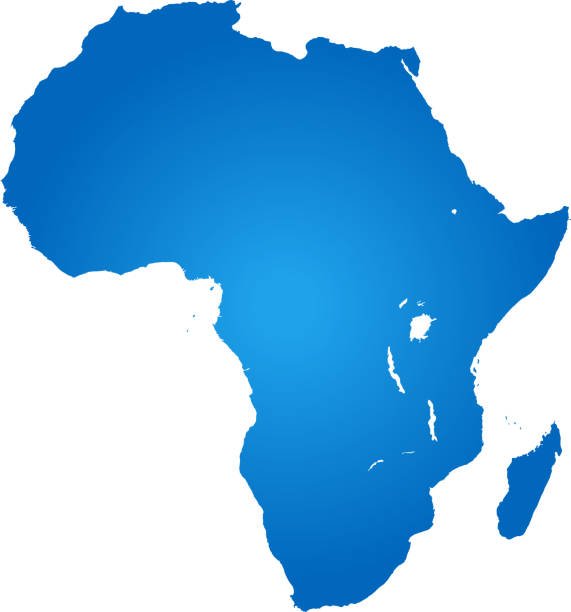
While the earliest documented evidence of soap-like materials for washing textiles dates back to ancient Babylon around 2800 BCE, suggesting a global, independent evolution of cleansing practices, the question of whether Africans invented soap requires a nuanced exploration of historical innovation. Africa possesses an incredibly rich and long-standing history of developing sophisticated cleansing agents and hygiene practices derived from indigenous natural resources, making significant contributions to the art of soap making and personal care that continue to influence global practices today.
The Ancient Roots of Cleansing: Global Parallels and African Ingenuity
The concept of using alkaline substances and fats to create a cleansing agent is ancient and appears in various civilizations across the globe. From Mesopotamia's inscribed clay cylinders detailing a mixture of ash and oil, to ancient Egypt's use of natron and plant oils for bathing and treating skin diseases, the quest for cleanliness and health was universal. However, focusing solely on the Mesopotamian or Roman narratives often overlooks the profound and diverse innovations that were simultaneously flourishing across the African continent.
Ancient African civilizations were pioneers in advanced hygiene practices, utilizing their abundant natural resources to formulate effective cleansing and skincare products. This wasn't merely about washing; it was deeply intertwined with health, spirituality, and cultural identity. The idea of 'soap' as we know it today, a hard bar made from saponified fats, has a complex lineage, but the underlying principles of combining fats/oils with an alkali to create a detergent were certainly understood and applied in various forms across Africa for millennia.
Early African Hygiene and Botanical Knowledge
Long before commercial soaps, Africans employed a sophisticated understanding of botany and chemistry to maintain personal hygiene. They used a variety of plant-based materials for cleansing, exfoliating, and moisturizing. The continent's vast biodiversity provided an unmatched pantry of ingredients, from the rich fats of shea nuts and palm kernels to the ash of specific plantain peels and cocoa pods, which served as natural sources of alkali (lye).
- Plant Ash: Various tree barks and plant leaves were burned to produce ash, which, when mixed with water, created a potent alkaline solution. This solution was then combined with oils to form rudimentary soaps.
- Natural Clays and Mud: Used for their absorbent and detoxifying properties, clays were applied to the skin and hair for cleansing and medicinal purposes.
- Herbal Infusions: Many plants were brewed into infusions or concoctions for their antiseptic, antibacterial, and aromatic qualities, serving as washes for both body and hair.
- Oils and Butters: Indigenous oils like palm oil, coconut oil, and especially shea butter, were not only used as moisturizers but also as bases for creating more complex cleansing agents.
The Enduring Legacy of African Black Soap (Alata Samina / Ose Dudu)
Perhaps the most prominent example of African soap making traditions that continues to thrive and gain global recognition is African Black Soap. Known by various names such as Alata Samina in Ghana and Ose Dudu in Nigeria, this traditional soap is a testament to the ingenuity and expertise of West African communities. Its origins are ancient, with recipes passed down through generations, making it a cornerstone of ancient African hygiene practices.
The process of making traditional African Black Soap is laborious and deeply rooted in community knowledge. It typically involves:
- Gathering and Burning Biomass: Plantain peels, cocoa pods, and sometimes shea tree bark or palm leaves are sundried and then roasted in a clay oven or pot at a consistent temperature until they turn into ash. This ash is crucial as it provides the alkali (potash), a natural form of lye.
- Mixing with Water: The ash is sieved and then mixed with water, allowing the alkali to leach out, forming a lye solution.
- Adding Fats and Oils: A mixture of indigenous fats and oils, most commonly palm kernel oil, coconut oil, and raw shea butter, is heated. The lye solution is then gradually stirred into the oil mixture.
- Saponification and Curing: The mixture is continuously stirred, often by hand, for hours or even days, allowing the saponification process to occur. As the water evaporates, the soap hardens and changes color, typically to a dark brown or black hue. The soap is then left to cure.
African Black Soap is highly prized for its numerous benefits, including its ability to gently exfoliate, deep cleanse, and treat various skin conditions like acne, eczema, and hyperpigmentation. Its natural ingredients make it suitable for sensitive skin, hair, and even for household cleaning, showcasing its versatility and efficacy as a truly multi-purpose cleansing agent born from traditional African knowledge.
North African Contributions and the Islamic Golden Age
Beyond West Africa, North Africa also played a pivotal role in the evolution of soap. During the Islamic Golden Age (8th to 13th centuries), advancements in chemistry and hygiene in the Middle East and North Africa led to the production of sophisticated hard soaps. Cities like Fes in Morocco became renowned centers for soap making, using olive oil and lye, often scented with fragrant herbs. These traditions influenced European soap making significantly, demonstrating how African innovation in hygiene spread globally.
The introduction of distillation techniques and a deeper understanding of saponification by Arab chemists helped refine the soap-making process, allowing for the creation of more consistent and long-lasting bars. This era saw the emergence of soaps that were not just for cleaning but also for luxury and perfumery, highlighting the comprehensive approach to personal care that was fostered in the region.
Key Ingredients and Their Benefits in African Soap Making
The effectiveness and unique qualities of African natural soaps stem directly from their rich, indigenous ingredients. These components offer a synergy of cleansing, healing, and nourishing properties.
| Key African Ingredient | Primary Role in Soap | Associated Benefits |
|---|---|---|
| Palm Kernel Oil | Base oil, rich in lauric acid | Hard bar, rich lather, deep cleansing, antibacterial properties |
| Shea Butter (Vitellaria paradoxa) | Superfatting agent, emollient | Intensely moisturizing, anti-inflammatory, soothes dry/irritated skin, high in vitamins A & E |
| Cocoa Pod Ash / Plantain Peel Ash | Natural alkali (potash/lye) | Facilitates saponification, provides minerals, gentle exfoliation |
| Coconut Oil | Base oil, contributes to lather | Excellent cleansing, makes hard bar, moisturizing |
| Aloe Vera | Additive for therapeutic benefits | Soothing, healing, anti-inflammatory, hydrating |
| Moringa Oil | Additive for therapeutic benefits | Antioxidant-rich, anti-aging, moisturizing, purifies skin |
This deep knowledge of local botanicals and their application demonstrates a sophisticated scientific understanding that contributed significantly to the evolution of cleansing agents. The focus on natural, unrefined ingredients also meant that these soaps often retained beneficial compounds that are stripped away in many mass-produced commercial soaps.
Cultural and Spiritual Significance of African Cleansing Rituals
In many African societies, cleansing goes beyond mere physical hygiene; it is intertwined with spiritual well-being, social rituals, and rites of passage. Traditional soaps and bathing rituals often carry significant cultural weight.
For example, in some West African cultures, the use of black soap is part of purification ceremonies, welcoming new babies, or preparing for significant life events. The communal aspect of soap making also fosters social cohesion, with knowledge and skills passed down through generations, reinforcing family bonds and community identity. These traditions highlight the holistic approach to health and wellness prevalent in many African communities, where the body, mind, and spirit are treated as interconnected.
Modern Relevance and Global Impact of African Soap
Today, the legacy of African soap-making innovations is experiencing a global resurgence. As consumers increasingly seek natural, ethically sourced, and sustainable products, traditional African soaps, particularly black soap and shea butter-based formulations, are gaining immense popularity worldwide. This demand has not only empowered local communities through fair trade initiatives but has also brought ancient African wisdom to the forefront of modern skincare.
The principles of using minimal, natural ingredients, and the artisanal production methods, resonate strongly with contemporary values of sustainability and holistic health. Brands and individuals are increasingly recognizing the efficacy and skin-loving benefits of these traditional products, solidifying Africa's undeniable contribution to the global landscape of personal care and hygiene.
Conclusion: Affirming Africa's Profound Role in the History of Soap
To definitively state that Africans 'invented' soap in isolation would oversimplify a complex global history of independent innovation. However, it is unequivocally clear that Africa played a profoundly significant and pioneering role in the development of sophisticated cleansing agents and hygiene practices. From the ancient utilization of plant ashes and natural oils to the celebrated creation of traditional African Black Soap, the continent has contributed substantially to our collective understanding of cleanliness and well-being. The rich traditions of African soap making, rooted in deep botanical knowledge and cultural significance, are not just historical footnotes; they are vibrant, living practices that continue to offer powerful, natural solutions for health and beauty worldwide, underscoring Africa's enduring legacy in the journey of human hygiene.
Enjoyed this read?
Share it with your friends and colleagues.