Did Africans Invent Surfing

BSC Insights Admin
October 09, 2026
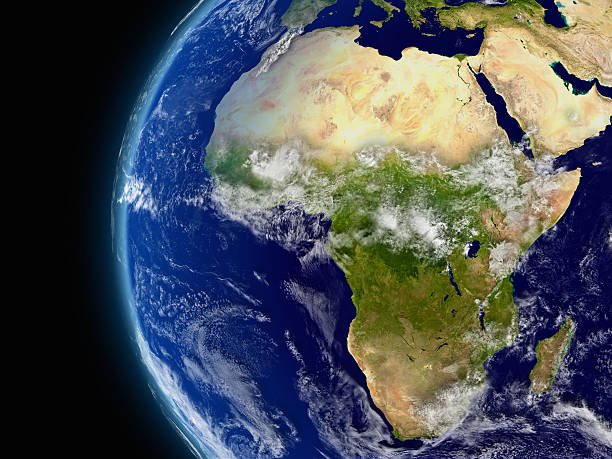
When considering the origins of surfing, the immediate image for many is the sun-drenched beaches of Hawaii and the powerful waves ridden by ancient Polynesians. However, an intriguing question arises: Did Africans invent surfing? While the widely accepted historical narrative credits Polynesian cultures, particularly those in what is now Hawaii, with developing board surfing as a sophisticated recreational and spiritual practice, the idea of African roots warrants a deeper exploration of diverse aquatic traditions. There is no definitive historical or archaeological evidence to suggest that ancient Africans invented surfing in the manner it evolved in Polynesia, yet the continent boasts a rich and often underappreciated history of human interaction with the ocean and waves, including various forms of wave riding.
The Established Narrative: Surfing's Polynesian Genesis
To understand the query "Did Africans invent surfing," it's crucial to first acknowledge the most extensively documented origins. The prevailing historical consensus firmly places the birth of surfing in ancient Polynesia. Specifically, the indigenous people of Hawaii (then known as Hawai'i) are celebrated for transforming wave riding into a highly developed art form, integral to their culture, spirituality, and social structure.
Ancient Hawaiian Surfing: A Royal Sport and Cultural Pillar
- Alaia and Olo Boards: Early Hawaiian surfers used different types of wooden boards. The alaia was a shorter, thinner board, while the olo was a much longer, thicker board often reserved for royalty and skilled chiefs. These boards were meticulously crafted from local timbers like koa.
- Cultural Significance: Surfing, or he'e nalu (wave sliding), was not merely a pastime but a profound cultural practice. It was intertwined with religious rituals, social status, and a deep connection to the ocean. Chiefs, commoners, men, and women all participated, though specific beaches and boards might be reserved for the elite.
- First European Accounts: Captain James Cook's expeditions in the late 18th century provided some of the earliest written accounts of surfing by Europeans. His crew observed Hawaiians expertly riding waves, documenting a practice that had flourished for centuries before Western contact.
This well-documented history, supported by oral traditions, archaeological finds, and early European observations, solidifies Polynesia's claim as the epicenter of traditional board surfing's development.
Exploring the Question: African Wave Riding Traditions
While Polynesia holds the undisputed title for board surfing, the question "Did Africans invent surfing?" prompts us to look at the broader spectrum of human-ocean interaction. Africa, with its vast coastlines along the Atlantic and Indian Oceans, has millennia of maritime history. Many coastal communities developed sophisticated methods for fishing, transport, and navigating powerful ocean swells.
Pre-Colonial African Aquatic Cultures
For millennia, African coastal communities have maintained a profound connection with the sea. This relationship was often pragmatic, centered around sustenance and trade, but it also encompassed a deep understanding of ocean dynamics and waves.
Fishing and Canoe Mastery
Along the coasts of West Africa, Central Africa, and parts of East Africa, communities like the Ga people of Ghana, the Yoruba of Nigeria, and numerous others have long traditions of highly skilled seafaring. Their fishermen expertly navigate treacherous surf zones in canoes, often hand-carved from large logs. The ability to ride waves efficiently and safely to return to shore is a vital skill passed down through generations.
- Wave Navigation: Fishermen developed intricate knowledge of wave patterns and currents, essential for launching and landing their vessels through powerful swells. This practical application of wave riding, though not purely recreational, demonstrates an advanced understanding of hydrodynamics.
- Bodyboarding-like Practices: There are anecdotal accounts and some limited ethnographic observations of children and adults in various West African coastal areas playing in the surf, sometimes using small planks of wood or natural objects to ride waves towards the shore. These activities, while not formal 'surfing' with purpose-built boards, bear a resemblance to early forms of bodyboarding or body surfing Africa has seen for centuries.
The "Wave Skiing" of Ghana: A Closer Look
One of the most compelling pieces of evidence for independent wave riding practices in Africa comes from Ghana. Historically, Ghanaian fishermen and coastal residents have been observed riding waves on what could be described as rudimentary surfboards or wave-riding devices.
- Prah Lah: In certain coastal regions of Ghana, fishermen have long used a practice called Prah Lah, which involves riding small, narrow planks of wood (often parts of canoes or specifically carved pieces) to help them quickly and safely return to shore through the heavy surf. While primarily functional, the act of balancing and steering on a board to glide on a wave is undeniably a form of wave riding.
- Cultural Context: Unlike the ceremonial and recreational aspects of Polynesian surfing, these Ghanaian practices were often born out of necessity – a means to enhance fishing efficiency and safety. However, the inherent thrill and skill involved would undoubtedly have had a recreational component, especially among younger generations.
These practices, described by some as Ghanaian wave riding or a form of 'wave skiing,' illustrate that the concept of using a device to glide on waves was not exclusive to Polynesia. However, it's critical to note that the scale, cultural integration, and widespread development of these practices into a recreational sport did not mirror the trajectory of Polynesian surfing.
Distinguishing Between Wave Interaction and Inventing Surfing
The core of the "Did Africans invent surfing" question lies in defining "surfing." If surfing is broadly understood as any human interaction with waves for the purpose of gliding, then diverse cultures across the globe, including those in Africa, have engaged in various forms of wave riding. However, if "surfing" specifically refers to the highly developed, board-based, recreational, and often spiritual practice exemplified by ancient Hawaiians, then the evidence points overwhelmingly to Polynesia.
Similarities and Differences in Wave Riding Origins
While the African practices like Prah Lah demonstrate an impressive mastery of wave dynamics and a functional form of wave riding, key distinctions separate them from Polynesian surfing's origins of surfing:
| Aspect | Polynesian Surfing (e.g., Hawaii) | African Wave Riding (e.g., Ghana's Prah Lah) |
|---|---|---|
| Primary Purpose | Recreation, sport, spiritual, social status | Functional (fishing, transport, safety) |
| Board Design | Purpose-built, varied sizes (alaia, olo), aesthetically crafted | Often repurposed canoe parts, simpler planks, utilitarian |
| Cultural Integration | Deeply embedded in religion, politics, social life, art | Practical skill, often tied to livelihood, less ceremonial |
| Historical Documentation | Extensive oral traditions, archaeological finds, early European accounts | Mainly ethnographic observations, oral traditions, less archaeological |
This table highlights that while both cultures interacted with waves using wooden devices, the context, purpose, and evolution of these practices differed significantly. This distinction is crucial when discussing the history of surfing and its diverse global manifestations.
The Arrival and Growth of Modern Surfing in Africa
Modern surfing, as it is practiced globally today, largely arrived in Africa through Western influence, often starting in the early to mid-20th century. This new wave of surfing introduced standardized board designs, competitive structures, and a global surf culture distinct from any indigenous wave riding practices.
Key Regions for Surfing in Africa
- South Africa: Known for its powerful waves and early adoption of modern surfing, particularly in areas like Jeffreys Bay and Durban. Surfing gained popularity here in the mid-20th century, influenced by British and American surf culture.
- Morocco: With its Atlantic coastline, Morocco became a key surf destination, especially for European surfers, gaining fame for its long point breaks like Anchor Point.
- West Africa: Countries like Senegal, Ghana, and Liberia have growing surf scenes, often influenced by expatriates and returning diaspora. The blending of local aquatic traditions with modern surf culture creates unique dynamics.
- East Africa: Areas of Mozambique, Kenya, and Tanzania also offer surfing opportunities, though often less developed than the western and southern coasts.
Today, surf culture Africa is a vibrant and evolving phenomenon, with local communities embracing the sport, developing their own surf brands, and participating in international competitions. This modern surf movement exists alongside, and sometimes intertwines with, the ancient aquatic wisdom and practices that have long defined Africa's relationship with the ocean.
Revisiting the Question: A Nuanced Understanding of "Inventing"
So, did Africans invent surfing? Based on the widely accepted definition of surfing as a recreational sport with purpose-built boards, evolving in a specific cultural context, the answer is generally no; that credit belongs to Polynesia. However, this conclusion should not diminish the rich and diverse history of African aquatic traditions and the ingenious ways coastal communities have interacted with and ridden waves for millennia.
- Redefining "Surfing": If "surfing" is understood in its broadest sense – the act of riding a breaking wave, with or without a board – then various cultures, including those in Africa, have certainly engaged in forms of wave riding independently.
- Valuing Indigenous Knowledge: The Ghanaian Prah Lah, for example, represents an indigenous innovation that, while functional, shares fundamental principles with recreational surfing: balancing on a board, harnessing wave energy, and navigating the ocean. Such practices are invaluable contributions to humanity's history of watercraft and wave interaction.
- Beyond Eurocentric Narratives: The question itself encourages a re-examination of historical narratives, prompting us to look beyond dominant Western or even Polynesian-centric views to appreciate the global tapestry of human ingenuity and cultural development around the ocean.
The journey to uncover African surfing history is ongoing, with researchers and historians continuously seeking to document and understand these fascinating pre-colonial practices more fully. It reminds us that innovation in human interaction with nature is a multifaceted, globally distributed phenomenon.
Conclusion
In summary, while the direct historical evidence does not support the notion that Africans invented surfing in the sophisticated, recreational, board-riding form that originated in Polynesia, it is undeniable that coastal African communities developed their own unique and impressive ways of engaging with ocean waves. From highly skilled canoe navigation through surf to specific practices like Ghana's "wave skiing" (Prah Lah), African peoples have a deep and ancient connection to the sea. These traditions, often borne out of necessity for survival and livelihood, showcase remarkable ingenuity and wave mastery. The modern surf movement in Africa is a vibrant testament to the continent's ongoing relationship with the ocean, building upon a legacy of profound aquatic knowledge, even if the origin of modern recreational surfing lies elsewhere. Recognizing and celebrating these distinct aquatic histories enriches our collective understanding of global maritime cultures.
Enjoyed this read?
Share it with your friends and colleagues.